
Selecting the Best Lighting Fixtures to Brighten Your Kitchen Remodel
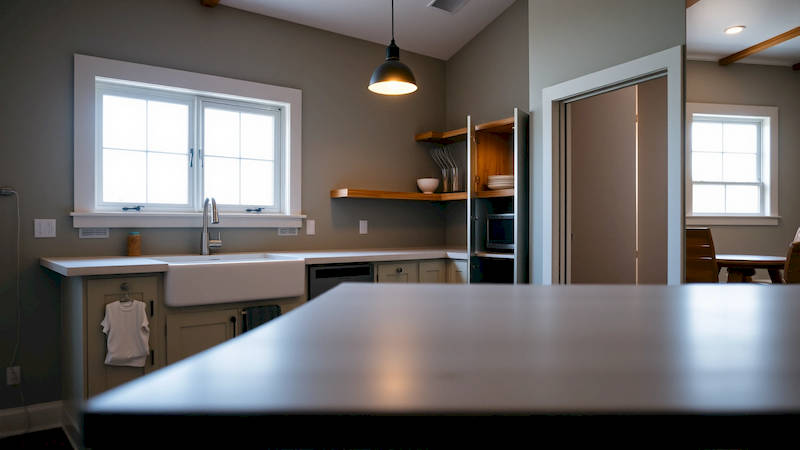
The kitchen, often hailed as the heart of the home, is a space where functionality and aesthetics must harmoniously coexist. While cabinetry, countertops, and appliances typically take center stage in remodel discussions, the crucial role of lighting is often underestimated. Effective kitchen lighting isn't simply about illumination; it's about creating an atmosphere, accentuating design elements, ensuring safety, and enhancing the overall cooking and gathering experience. A well-lit kitchen feels larger, more inviting, and more efficient.
In recent years, kitchen design has moved toward greater complexity and layering. Gone are the days of a single overhead fluorescent fixture being considered sufficient. Modern kitchens demand a thoughtful lighting plan incorporating ambient, task, and accent lighting to address diverse needs. A 2023 Houzz study revealed that 78% of homeowners undertaking kitchen remodels make changes to their lighting, highlighting its growing importance in the renovation process. With a vast array of available fixtures and technologies, making the right choices can feel overwhelming. This article provides a comprehensive guide to selecting the best lighting fixtures to brighten your kitchen remodel, ensuring a space that is both beautiful and highly functional.
- Understanding the Three Layers of Kitchen Lighting
- Ambient Lighting Options for a Welcoming Kitchen
- Task Lighting: Illuminating Work Zones for Efficiency and Safety
- Accent Lighting: Adding Visual Interest and Drama
- Choosing Fixtures to Complement Your Kitchen Style
- Smart Lighting Integration and Future-Proofing Your Kitchen
- Conclusion: A Brilliantly Lit Kitchen Awaits
Understanding the Three Layers of Kitchen Lighting
Before diving into specific fixture types, it's vital to grasp the concept of layered lighting. This approach relies on combining three core types: ambient, task, and accent lighting. Ambient lighting provides overall illumination, mimicking natural daylight and setting the general tone of the kitchen. Think of this as your primary light source. Task lighting focuses a brighter, more direct light on specific work areas like countertops, sinks, and islands, enabling safe and efficient food preparation. Finally, accent lighting adds visual interest and highlights architectural features or decorative elements within the kitchen.
Successfully blending these three layers is the key to a truly functional and aesthetically pleasing kitchen. A common mistake is relying too heavily on a single type of lighting, leading to glare, shadows, or an uninviting atmosphere. For instance, solely relying on recessed lighting for ambient illumination can create a sterile environment lacking warmth. However, supplementing recessed lights with under-cabinet lighting and a decorative pendant over the island drastically improves both functionality and aesthetic appeal. The goal should be to create a balanced, well-lit space that evolves with your needs throughout the day.
Ambient Lighting Options for a Welcoming Kitchen
Ambient lighting typically serves as the foundation of any kitchen lighting plan. While recessed lighting remains a popular choice, offering a clean and unobtrusive aesthetic, there are numerous alternatives to explore. Flush-mount fixtures, often suitable for smaller kitchens or areas with low ceilings, provide a diffused and even light distribution. Semi-flush mount fixtures, with a small gap between the fixture and the ceiling, offer a slightly more decorative element while retaining a relatively low profile. Track lighting, while sometimes considered dated, has seen a resurgence with modern designs and can be incredibly versatile, allowing you to direct light where it's needed most.
When selecting ambient fixtures, consider the color temperature of the light emitted. Warmer tones (2700K-3000K) create a cozy and inviting atmosphere, while cooler tones (3500K-4000K) provide brighter, more energetic illumination. LEDs are now the standard for ambient lighting due to their energy efficiency and long lifespan. According to the Department of Energy, LEDs use up to 75% less energy and last up to 25 times longer than incandescent lighting. Smart lighting systems which allow for dimming capabilities and colour temperature adjustments offer the greatest flexibility, allowing you to create different moods and optimize light levels for various tasks.
Task Lighting: Illuminating Work Zones for Efficiency and Safety
Task lighting is paramount in a kitchen, ensuring safe and efficient food preparation. Under-cabinet lighting is arguably the most crucial element, eliminating shadows cast by upper cabinets and providing focused illumination on countertops. LED strip lights are a popular choice for under-cabinet lighting, offering a low profile and consistent brightness. Puck lights, another option, provide more concentrated beams of light and can be individually aimed.
Alongside under-cabinet lighting, dedicated task lighting over the sink and cooktop is essential. Pendant lights hung directly above the sink can provide focused illumination for washing and prepping. For the cooktop, consider recessed lighting specifically positioned to light the cooking surface, or a short pendant light. When choosing fixtures for these areas, look for options with high CRI (Color Rendering Index) ratings. A CRI of 80 or higher ensures that colours appear accurately, which is particularly important when judging the doneness of food. “Good task lighting isn’t just about brightness; it’s about clarity and accuracy,” explains interior designer Sarah Richardson.
Accent Lighting: Adding Visual Interest and Drama
Accent lighting is often overlooked, but it plays a crucial role in adding personality and sophistication to the kitchen. This type of lighting is used to highlight specific features, such as artwork, backsplashes, or architectural details. In-cabinet lighting, for example, can showcase glassware and decorative items. Toe-kick lighting, installed along the base of cabinets, creates a subtle and sophisticated glow, improving visibility and adding a modern touch.
Consider using directional spotlights to highlight artwork or architectural features. LED strip lighting can also be used creatively to illuminate open shelving or create a dramatic effect under a kitchen island overhang. The colour of the accent lighting can be used to create different moods. For example, warm white light can create a cosy and inviting atmosphere, while cool white light can add a more modern and sophisticated feel. Focus on thoughtful placement to avoid glare and ensure that accent lighting complements, rather than competes with, the ambient and task lighting.
Choosing Fixtures to Complement Your Kitchen Style
The style of your kitchen should heavily influence your lighting fixture selections. A farmhouse kitchen might benefit from rustic pendants and sconces with wrought iron or bronze finishes. A modern kitchen may call for sleek, minimalist recessed lighting and linear fixtures. A transitional kitchen can successfully blend different styles, incorporating both traditional and contemporary elements.
Ensure that the finish of your lighting fixtures complements other hardware in the kitchen, such as cabinet pulls and faucets. Consider the scale of the fixtures in relation to the size of the kitchen. Oversized pendants can overwhelm a small kitchen, while undersized fixtures can appear lost in a larger space. Furthermore, think about the overall colour palette of the kitchen and choose fixtures that either blend seamlessly or provide a striking contrast.
Smart Lighting Integration and Future-Proofing Your Kitchen
Smart lighting is rapidly transforming how we illuminate our homes, and the kitchen is a prime candidate for integration. Smart lighting systems allow you to control your lights remotely, adjust brightness and colour temperature, and create custom lighting scenes. Many systems can be integrated with voice assistants like Alexa or Google Home, enabling hands-free control.
Investing in a smart lighting system can significantly enhance the functionality and convenience of your kitchen. Imagine dimming the lights for a romantic dinner or increasing the brightness for detailed food prep with a simple voice command. Look for fixtures that are compatible with popular smart home protocols such as Zigbee or Z-Wave. Future-proofing your kitchen with a flexible and adaptable lighting system is a worthwhile investment that will pay dividends for years to come.
Conclusion: A Brilliantly Lit Kitchen Awaits
Creating the perfect lighting scheme for your kitchen remodel is a multifaceted process that demands careful consideration of layered lighting principles, fixture types, style compatibility, and emerging technologies. Don’t treat lighting as an afterthought – it's an integral part of the overall design, profoundly impacting both the functionality and aesthetic appeal of your space. Prioritizing ambient, task, and accent lighting will deliver the optimal results, ensuring a kitchen that's both practical and inviting.
Remember to assess your specific needs and lifestyle when making your selections, and don’t hesitate to consult with a lighting professional. The key takeaways are to embrace layering, consider color temperature, prioritize quality LEDs, and explore the possibilities of smart lighting integration. By investing in a well-planned lighting system, you'll transform your kitchen into a brilliantly lit, functional, and beautiful heart of your home – a space truly worth gathering in and enjoying for years to come.
Deja una respuesta