
Step-by-Step Guide to Upgrading to Energy-Efficient Windows
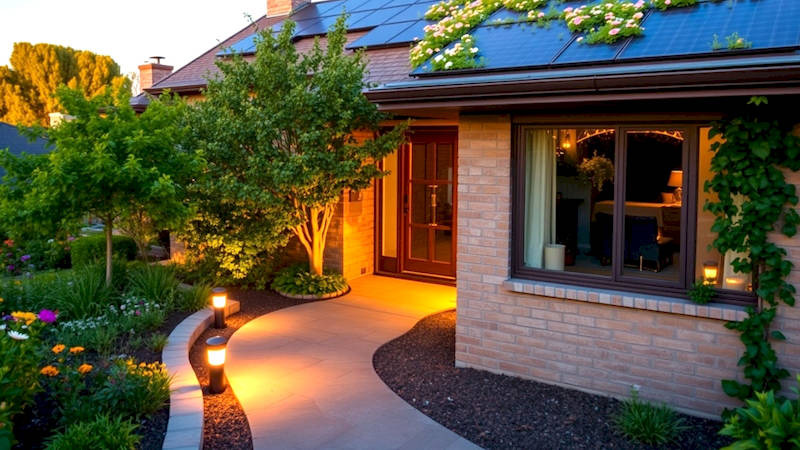
The windows in your home aren't simply panes of glass offering views to the outside world; they’re critical components influencing your home’s energy efficiency, comfort, and even aesthetic appeal. Older, inefficient windows can be significant sources of heat loss in the winter and heat gain in the summer, driving up your energy bills and making your HVAC system work overtime. In a climate increasingly focused on sustainability and rising energy costs, upgrading to energy-efficient windows is one of the most impactful home improvements a homeowner can make. This isn’t simply about cost savings, though significant savings are certainly achievable; it’s also about improving indoor comfort, reducing your carbon footprint, and potentially increasing your home's value.
This comprehensive guide will walk you through every step of upgrading to energy-efficient windows, from understanding the various options available to the actual installation process. We’ll cover everything from assessing your current windows and choosing the right replacements to understanding rebates and incentives – equipping you with the knowledge to make an informed decision and enjoying the long-term benefits of a more comfortable and sustainable home. According to the U.S. Department of Energy, heat gain and loss through windows and doors can account for as much as 25% of your total heating and cooling costs. Addressing this is paramount for a truly efficient home.
- Assessing Your Current Windows: Identifying Areas for Improvement
- Understanding Energy-Efficient Window Technologies
- Choosing the Right Window Type and Material for Your Home
- The Installation Process: Ensuring a Proper Seal and Optimal Performance
- Navigating Rebates, Tax Credits, and Financing Options
- Maintaining Your New Energy-Efficient Windows for Long-Term Performance
- Conclusion: Investing in Comfort, Savings, and Sustainability
Assessing Your Current Windows: Identifying Areas for Improvement
Before diving into replacement options, a thorough assessment of your existing windows is essential. This isn’t just about looking for visible damage like cracks or broken seals, but a comprehensive evaluation of their performance. Start by examining each window frame for signs of rot, warping, or decay – particularly common in wood frames. Also, check the window operation; are they difficult to open or close? Do they seal tightly when closed, or do you feel drafts? These are indicators of potential problems affecting energy efficiency.
Post a lit candle near the window frame on a windy day (exercise extreme caution!), and observe any flickering of the flame. This is a simple, albeit cautious method, for detecting air leaks. For a more precise analysis, consider using an infrared thermometer to identify temperature differences around the window frame, indicating areas of heat loss or gain. Beyond the frame, inspect the glass itself. Single-pane windows are notoriously inefficient, while older double-pane windows might have lost their insulating properties due to seal failure, resulting in condensation between the panes.
Finally, understand the age of your windows. If they were installed before the 1990s, they almost certainly fall short of modern energy efficiency standards. Knowing your window's weaknesses will guide your choices for a better replacement. A professional energy audit can provide a detailed assessment, identifying all energy loss points within your home and offering customized recommendations.
Understanding Energy-Efficient Window Technologies
The world of energy-efficient windows has evolved significantly, offering a variety of technologies designed to minimize heat transfer. The key metrics to understand are U-factor and Solar Heat Gain Coefficient (SHGC). U-factor measures the rate of heat transfer through the window; lower numbers mean better insulation. SHGC measures the fraction of solar radiation admitted through a window – lower SHGC is beneficial in hot climates, reducing cooling costs, while higher SHGC can be advantageous in colder climates to harness passive solar heating.
Beyond these metrics, consider the glass options available. Low-E (low-emissivity) coatings are microscopically thin, virtually invisible metal or oxide layers deposited on the window glass. These coatings reflect radiant heat, reducing heat transfer. Argon and krypton gas fills are often placed between panes of glass to further enhance insulation, as these gases are denser than air and restrict heat flow. Finally, look for windows with multiple panes – double-pane and triple-pane windows offer increasingly superior insulation.
Frame materials also play a critical role. Vinyl frames are extremely energy efficient and require minimal maintenance, while wood frames offer classic aesthetics but require regular painting or staining. Fiberglass frames are a durable, high-performance option with excellent insulation properties. Choosing the right combination of these technologies will significantly impact your windows’ overall energy performance.
Choosing the Right Window Type and Material for Your Home
Selecting the appropriate window type isn't solely about energy efficiency; it's about complementing your home's architectural style and satisfying functional needs. Common window types include double-hung (traditional, versatile), casement (crank-operated, excellent ventilation), awning (hinged at the top, good for ventilation even during rain), sliding (easy operation, typically used in modern homes), and picture windows (fixed, offering unobstructed views).
The climate is a key consideration. In colder regions, prioritize windows with low U-factors and moderate SHGC to retain heat. In warmer climates, focus on low SHGC to minimize solar heat gain. Your home’s orientation also matters; south-facing windows can benefit from higher SHGC to capture winter sun, while west-facing windows should have lower SHGC to prevent overheating in the afternoon. Material selection is equally important.
Vinyl is generally the most cost-effective and energy-efficient option, requiring minimal maintenance. Wood offers a beautiful aesthetic but requires more upkeep. Fiberglass bridges the gap, providing excellent performance and durability with moderate maintenance. Consider the cost-benefit analysis of each material, factoring in long-term maintenance costs and energy savings. A detailed cost assessment should include not just the window price, but also installation charges and potential long-term energy expense reduction.
The Installation Process: Ensuring a Proper Seal and Optimal Performance
Proper installation is as important as choosing energy-efficient windows. Even the most advanced windows will perform poorly if they aren’t installed correctly, leading to air leaks and reduced energy savings. It’s highly recommended to hire a qualified and experienced window installer. Check for certifications from organizations like the National Fenestration Rating Council (NFRC) and ensure the installer is licensed and insured.
The installation process typically involves removing the old windows, preparing the window openings, installing the new windows, and sealing them properly. A crucial step is ensuring that the window frame is level and plumb, and that the gaps between the frame and the wall are filled with appropriate insulation, such as expanding foam. Proper flashing is also essential to prevent water damage.
The installer should carefully seal around the window frame, both inside and outside, with caulk and weatherstripping to eliminate air leaks. Following installation, thoroughly inspect the windows for any gaps or imperfections. A blower door test, conducted by a professional, can accurately measure air leakage and identify areas needing attention.
Navigating Rebates, Tax Credits, and Financing Options
Upgrading to energy-efficient windows can be a significant investment, but various financial incentives can help offset the cost. Federal tax credits are often available for energy-efficient home improvements, including window replacements. The amount and eligibility requirements vary, so check the ENERGY STAR website and IRS guidelines for the latest information.
Many state and local governments also offer rebates and incentives. DSIRE (Database of State Incentives for Renewables & Efficiency) is a comprehensive online resource for finding incentives in your area. In addition, some utility companies offer rebates for installing energy-efficient windows. Beyond rebates and tax credits, explore financing options. Home equity loans, energy-efficient mortgages, and dedicated financing programs specifically for energy upgrades can make the cost more manageable.
Carefully evaluate the terms and conditions of each incentive and financing option to ensure they align with your needs and budget. Don't hesitate to ask your window installer about available incentives and assistance with the application process.
Maintaining Your New Energy-Efficient Windows for Long-Term Performance
Once installed, your energy-efficient windows require minimal maintenance to retain their performance. Regular cleaning with mild soap and water is typically sufficient. Avoid abrasive cleaners or scrubbing pads that could damage the glass or frame. Periodically inspect the window frames and seals for any signs of damage or deterioration.
Check the weatherstripping for cracks or gaps and replace it as needed. Ensure the window operation remains smooth; lubricate the moving parts if necessary. For wood frames, apply a protective coating of paint or stain every few years to prevent rot and decay. Remember that even the best windows will lose some efficiency over time; regular maintenance will help extend their lifespan and maximize their energy savings. Annual inspections can identify minor issues before they escalate into costly repairs.
Conclusion: Investing in Comfort, Savings, and Sustainability
Upgrading to energy-efficient windows is a wise investment that offers a multitude of benefits – reduced energy bills, increased comfort, enhanced home value, and a smaller carbon footprint. By carefully assessing your current windows, understanding the available technologies, choosing the right type and material, ensuring a professional installation, and taking advantage of available incentives, you can maximize the return on your investment. Remember to prioritize U-factor and SHGC ratings, considering your climate and home orientation.
Don't view this as simply a replacement project, but as a strategic upgrade contributing to a more sustainable and comfortable living environment. Utilizing the resources detailed above and carefully planning each step, you can unlock long-term savings and enjoy the peace of mind that comes with a highly efficient home. Your next step should be to obtain quotes from multiple qualified installers and begin the process of transforming your home into a haven of energy efficiency.
Deja una respuesta