
Automating Window Blinds and Shades for Privacy and Energy Savings
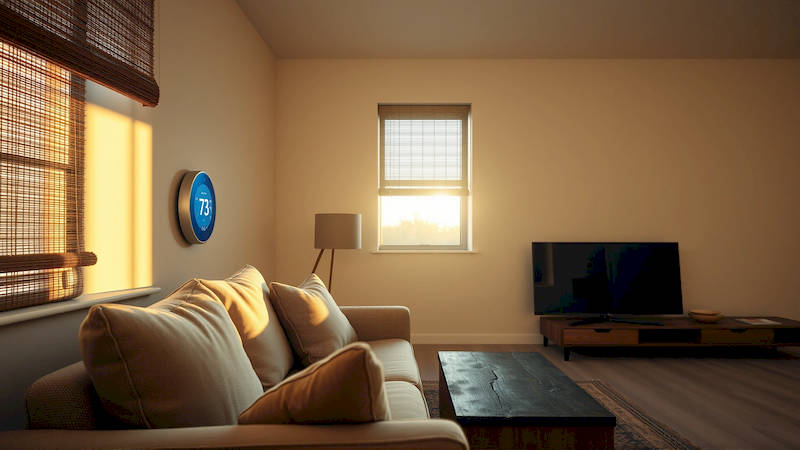
The modern home is increasingly defined by convenience and efficiency, and smart home technology is at the forefront of this revolution. While many focus on thermostats and lighting, a surprisingly impactful area for automation lies in window treatments. Automating window blinds and shades isn’t just about adding a touch of futuristic flair; it's a potent combination of enhanced privacy, significant energy savings, increased home security, and improved comfort. From simple timer-based systems to fully integrated solutions controlled by voice or smart home hubs, the possibilities are vast. This article delves deep into the world of automated window coverings, exploring the benefits, technologies, installation, and maintenance required to truly transform your living space.
For decades, adjusting window coverings has been a manual task – a simple, yet often overlooked, part of daily life. However, this seemingly minor chore contributes significantly to a home's energy consumption and overall ambiance. Poorly managed window coverings can lead to heat gain in summer and heat loss in winter, escalating energy bills. Moreover, the ability to remotely control privacy is a growing concern for homeowners seeking enhanced security and a greater sense of control over their environment. The rise of affordable and reliable smart home technology finally makes wide-scale automation of these features both attainable and practical.
This guide will provide a comprehensive overview of automating your window treatments, equipping you with the knowledge to make informed decisions and enjoy the numerous benefits this smart home integration offers. We'll cover everything from the different types of motorized blinds and shades, the communication protocols they use, the installation process, and strategies for maximizing energy savings. By the end, you will understand how to seamlessly integrate automated window coverings into your smart home ecosystem.
- Understanding the Benefits of Automated Window Treatments
- Types of Motorized Blinds and Shades: Choosing the Right Solution
- Communication Protocols & Smart Home Integration
- Installation: DIY vs. Professional Installation
- Maximizing Energy Savings: Programming & Scheduling Strategies
- Troubleshooting & Maintenance
- Conclusion: Embracing the Future of Window Coverings
Understanding the Benefits of Automated Window Treatments
The advantages of automating window blinds and shades extend far beyond mere convenience. While eliminating the need to manually adjust coverings is a definite perk, the cost savings and enhanced lifestyle features are what truly drive adoption. Energy efficiency is arguably the most substantial benefit, directly impacting your monthly utility bills. During warmer months, automated shades can be programmed to close during peak sunlight hours, blocking solar heat gain and reducing the strain on your air conditioning system. Conversely, in winter, they can be opened to allow sunlight to naturally warm your home, reducing heating costs.
Studies by the U.S. Department of Energy estimate that window treatments can reduce heat gain by up to 77% and heat loss by up to 40%. These figures demonstrate the significant potential impact on a home’s energy footprint. Beyond temperature regulation, automated shades also protect furniture and flooring from fading caused by prolonged exposure to UV rays, preserving the aesthetic appeal of your interior décor. According to the Window Covering Manufacturers Association (WCMA), UV filtering window treatments can extend the life of interior furnishings by significantly reducing fading and degradation.
Beyond energy savings, automated blinds and shades dramatically improve privacy and security. Schedules can be set to automatically close blinds at dusk or when you’re away from home, creating the illusion of occupancy and deterring potential intruders. This functionality is particularly valuable for homeowners who travel frequently or live in areas with security concerns. Further, the ability to remotely control blinds from a smartphone or voice assistant provides peace of mind, allowing you to adjust window coverings from anywhere in the world.
Types of Motorized Blinds and Shades: Choosing the Right Solution
The market offers a diverse range of motorized blinds and shades, each with its own strengths and weaknesses. Roman shades, roller shades, cellular shades (honeycomb shades), Venetian blinds (aluminum or wood), and vertical blinds can all be motorized. Roller shades are often the most affordable and simplest to automate, making them a popular choice for beginners. Cellular shades offer superior insulation due to their unique honeycomb construction, maximizing energy savings. Venetian blinds provide a classic look and offer precise light control.
The core component of any motorized window treatment is the motor itself. Motors generally fall into two categories: tubular motors and direct-drive motors. Tubular motors are integrated into the shade’s roll and are generally quieter and more compact. They are well-suited for lighter and medium-weight fabrics. Direct-drive motors, on the other hand, are more powerful and suitable for heavier materials like thicker fabrics or large blinds. Choosing the appropriate motor depends on the weight and size of the window covering, as well as your desired level of noise reduction. "The best motor isn’t necessarily the most powerful, but the one that fits the size and weight of the blind effectively," explains David Bartlett, a smart home installation specialist with over 10 years of experience.
Communication Protocols & Smart Home Integration
Automating window blinds isn't simply about installing a motor; it's about seamlessly integrating them into your smart home ecosystem. Several communication protocols facilitate this integration, each with its own strengths and compatibility considerations. Wi-Fi is a common option, offering direct connectivity to your home network without the need for a dedicated hub. However, Wi-Fi can be prone to interference and may strain your network’s bandwidth with multiple devices.
Zigbee and Z-Wave are low-power, mesh networking protocols that offer greater reliability and security. These protocols require a dedicated hub (such as SmartThings, Hubitat, or Aeotec) to connect to your Wi-Fi network. Radio Frequency (RF) is an older technology often used in simpler, standalone systems without extensive smart home integration. The choice of protocol impacts compatibility with your existing smart home devices and the level of control you have. Leading smart home platforms like Amazon Alexa, Google Assistant, and Apple HomeKit support various protocols, enabling voice control and automated routines. For example, you could create a routine that automatically closes all shades at sunset or opens them when you say, "Alexa, good morning."
Installation: DIY vs. Professional Installation
Installing motorized window treatments can be a DIY project for someone with moderate experience in home improvement. However, it requires careful planning, precision, and a good understanding of electrical wiring. Basic DIY installations typically involve attaching the motor to the blind or shade, mounting the shade in the window frame, and connecting the motor to a power source. However, running low-voltage wiring or dealing with complicated power connections is best left to professionals, particularly if dealing with older homes with potentially outdated electrical systems.
Professional installation ensures proper alignment, secure mounting, and safe electrical connections, mitigating the risk of damage or malfunction. The cost of professional installation varies depending on the number of windows, the type of shades, and the complexity of the wiring. A typical cost per window can range from $150 to $400. Before starting any DIY project, always disconnect power to the circuit and consult with local building codes and regulations. Numerous online resources, including instructional videos and step-by-step guides, can assist with DIY installation, but proceed cautiously and prioritize safety.
Maximizing Energy Savings: Programming & Scheduling Strategies
Simply automating your blinds isn't enough to unlock significant energy savings. Strategic programming and scheduling are crucial to maximizing their impact. Implement schedules that align with your daily routines and seasonal changes. In summer, program shades to close during the hottest part of the day, blocking direct sunlight. In winter, program them to open during sunny hours, allowing passive solar heating.
Utilize light sensors to automatically adjust blinds based on ambient light levels. This ensures optimal light control and energy efficiency without manual intervention. Consider incorporating weather data into your automation routines. For example, if the forecast predicts a particularly hot day, automatically close shades earlier and keep them closed for longer. "Smart programming is the key. Don't just set it and forget it. Adjust the schedules seasonally and based on weather patterns to achieve the greatest energy savings," advises Emily Carter, a certified energy efficiency consultant. Many smart home platforms allow for complex scene creation, enabling you to combine window covering adjustments with other smart home devices, such as thermostats and lighting, for optimal energy management and comfort.
Troubleshooting & Maintenance
Like any mechanical device, motorized window treatments require occasional maintenance to ensure optimal performance and longevity. Regularly inspect the shades for smooth operation, checking for any obstructions or binding. Dust and debris can accumulate on the tracks and motors, hindering their operation. Clean the shades regularly with a soft cloth and a mild detergent.
Lubricate moving parts periodically with a silicone-based lubricant, following the manufacturer's instructions. Battery-powered systems will require periodic battery replacement. Check the battery indicator regularly to avoid unexpected interruptions. If you encounter problems, consult the manufacturer's documentation for troubleshooting tips. Faulty motors or control units may require professional repair or replacement.
Conclusion: Embracing the Future of Window Coverings
Automating window blinds and shades is a powerful way to enhance your home's energy efficiency, privacy, security, and overall convenience. By understanding the different types of motorized treatments, communication protocols, installation options, and programming strategies, you can create a smart home environment tailored to your specific needs and preferences. The initial investment may seem significant, but the long-term energy savings, increased property value, and enhanced lifestyle benefits make it a worthwhile undertaking.
Key takeaways include prioritizing energy efficiency through strategic scheduling, choosing the right communication protocol for your smart home ecosystem, and carefully considering the installation process. The future of window coverings is undoubtedly automated, and embracing this technology is a step towards creating a more comfortable, efficient, and secure living space. Begin by assessing your specific needs and budget, researching available options, and planning a phased implementation to seamlessly integrate automated window treatments into your existing smart home setup.
Deja una respuesta