
Integrating Air Quality Sensors with Your Smart Climate System
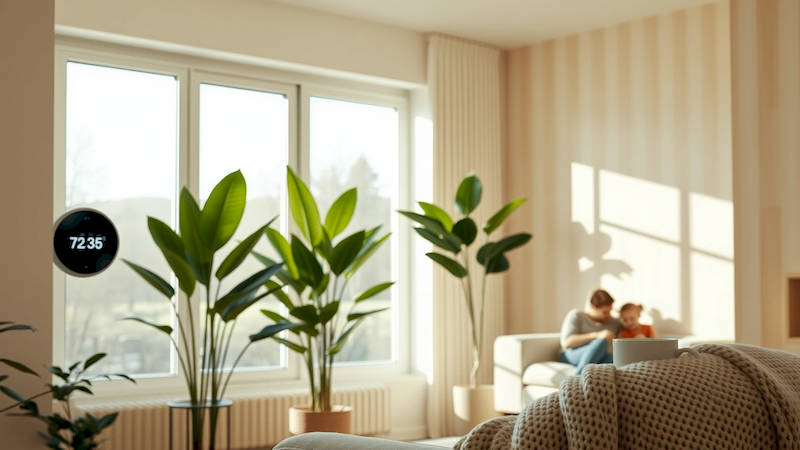
We’ve become accustomed to “smart” everything, from refrigerators that order groceries to lights that respond to voice commands. However, the true potential of smart home technology extends far beyond convenience; it's about creating a healthier, more comfortable living environment. While smart thermostats have revolutionized climate control, they often operate in a vacuum, focusing solely on temperature. Recent years have seen a growing awareness of the crucial link between indoor air quality (IAQ) and overall well-being. Poor IAQ can exacerbate allergies, trigger asthma, contribute to respiratory illnesses, and even impact cognitive function. Integrating air quality sensors with your smart climate system allows for a proactive approach to air purification, creating a genuinely intelligent and responsive home environment.
This integration moves beyond simply maintaining a comfortable temperature. It enables a system that dynamically adjusts ventilation, filtration, and even humidity levels based on real-time air quality data. This isn't a futuristic fantasy; it's a readily achievable reality with today's technology. The importance of this shift is amplified by the fact that, according to the EPA, Americans spend roughly 90% of their time indoors. Consequently, understanding and controlling our indoor environment is paramount. This article dives deep into the benefits, technologies, implementation considerations, and potential pitfalls of seamlessly integrating air quality sensors with your smart climate control system.
- Understanding the Landscape of Indoor Air Quality
- Choosing the Right Air Quality Sensors
- Connecting Sensors to Your Smart Climate System
- Developing Automated Responses & Scenarios
- Maintaining and Troubleshooting Your Integrated System
- Beyond the Basics: Advanced IAQ Strategies
- Conclusion: A Breath of Fresh Air – The Future of Smart Homes
Understanding the Landscape of Indoor Air Quality
Indoor air quality is a complex issue, affected by both internal and external factors. Common pollutants include particulate matter (PM2.5 and PM10), volatile organic compounds (VOCs) – emitted from paints, cleaning supplies, and furniture – carbon dioxide (CO2), humidity, and sometimes even radon. While a smart thermostat manages temperature, it’s oblivious to these invisible threats. Air quality sensors act as the “eyes” of the system, detecting these pollutants and providing the data needed to trigger automated responses. There's a growing body of scientific evidence linking prolonged exposure to these pollutants to a range of health problems.
The types of sensors available reflect this complexity. Basic sensors often measure PM2.5, which refers to fine inhalable particles with diameters of 2.5 micrometers and smaller. These particles can penetrate deep into the lungs and bloodstream, posing significant health risks. More advanced sensors measure a broader spectrum of VOCs, providing a detailed profile of the chemical composition of indoor air. CO2 sensors are vital for gauging ventilation effectiveness – high CO2 levels indicate poor airflow and potential buildup of other pollutants. "Smart air quality monitors aren’t just about identifying pollutants; they're about understanding the sources of those pollutants," emphasizes Dr. Evelyn Hayes, a leading researcher in environmental health at Stanford University. "This allows for targeted interventions, like switching to low-VOC paints or increasing ventilation during cooking."
Reliable data is also crucial. Sensor accuracy, calibration frequency, and placement within the home all influence the quality of the information being gathered. A cheap, uncalibrated sensor can provide misleading data, leading to ineffective or even counterproductive actions by your smart climate system. Investing in reputable sensors and understanding their limitations is a foundational step towards successful IAQ integration.
Choosing the Right Air Quality Sensors
The market for air quality sensors is rapidly evolving, with options ranging in price, features, and compatibility. Key considerations when selecting sensors include the specific pollutants you want to monitor, the sensor’s accuracy and reliability, and its ability to integrate with your existing smart home ecosystem. Popular consumer-grade options, like those from Awair, AirVisual, and PurpleAir, provide comprehensive IAQ monitoring and often offer integration with platforms like Amazon Alexa, Google Assistant, and IFTTT (If This Then That).
Compatibility is critical. Ensure the sensor utilizes a communication protocol (Wi-Fi, Bluetooth, Zigbee, Z-Wave) that is supported by your smart thermostat and hub (if applicable). Seamless integration allows for automated responses based on sensor readings. Some thermostats, such as those from ecobee, now come with built-in air quality sensors, simplifying the setup process. However, these built-in sensors may have limited functionality compared to dedicated air quality monitors.
Beyond basic pollutant detection, consider sensors offering additional features like humidity and temperature monitoring (which often complements climate control) and historical data logs for tracking trends. Evaluate the sensor’s data privacy policies too – knowing how your data is being collected, stored, and used is paramount. Look for certifications from reputable organizations like the Asthma and Allergy Foundation of America (AAFA) signifying the sensor has been tested for performance and can provide reliable data.
Connecting Sensors to Your Smart Climate System
The integration process varies depending on the specific sensors and thermostats involved. Generally, it involves connecting the sensors to your home Wi-Fi network and then "linking" them to your smart thermostat through a mobile app or web interface. Many smart thermostat platforms offer direct integration with popular air quality sensor brands, streamlining the setup process.
IFTTT can act as a powerful bridge for connecting devices that don’t natively integrate. For example, you could create an IFTTT applet that automatically turns on a smart air purifier when the PM2.5 level exceeds a predefined threshold detected by your sensor. Several platforms allow for more customized "rules" or "automation" that can be tailored to specific needs. This might involve adjusting thermostat fan speed based on VOC levels, or temporarily increasing ventilation during cooking.
It’s vital to configure a baseline. Initially run a calibration period to establish average IAQ levels in your home. This allows the system to learn your home’s specific environment and avoid triggering unnecessary reactions to minor fluctuations. "Don't just react to every spike in pollution," advises Mark Stevenson, Smart Home Specialist at Connected Living Solutions. "Establish thresholds based on your individual sensitivities and the specific pollutants of concern.”
Developing Automated Responses & Scenarios
The real power of IAQ integration lies in the automation it enables. Instead of manually adjusting your HVAC system, you can create automated scenarios based on sensor data. For example, you could implement a “cooking mode” that automatically increases ventilation when VOCs spike during meal preparation. Similarly, a “sleep mode” could trigger the air purifier and lower the fan speed to create a quiet, clean sleeping environment.
More sophisticated systems can utilize historical data to anticipate IAQ fluctuations. If you consistently experience high PM2.5 levels during peak traffic hours, the system could proactively increase filtration before traffic even begins. You can also create location-based triggers, such as automatically increasing ventilation when someone enters the house, bringing in outside air. This requires careful planning and consideration of your family's lifestyle and preferences.
Don’t underestimate the value of granular control. Most systems allow you to adjust sensitivity thresholds, reaction times, and even notification preferences. Experiment with different settings to find the optimal balance between air purification, energy efficiency, and personal comfort.
Maintaining and Troubleshooting Your Integrated System
Like any smart home system, integrated IAQ monitoring requires ongoing maintenance. Regularly check the sensors’ battery levels and calibration status. Dust accumulation can affect sensor accuracy, so periodically clean the sensors according to the manufacturer’s instructions. Ensure that your smart thermostat’s firmware and app are up to date to benefit from the latest features and security patches.
Troubleshooting connectivity issues is a common challenge. If a sensor loses connection, check your Wi-Fi network and ensure the sensor is within range. Sometimes, a simple reboot of the sensor or thermostat can resolve connectivity problems. Monitoring historical data can reveal patterns and identify potential performance issues. If you notice consistently inaccurate readings, it might be necessary to recalibrate or replace the sensor.
Don't neglect preventative maintenance for your HVAC system itself. Regularly changing air filters is crucial for maintaining IAQ, and professional duct cleaning can remove accumulated dust and allergens. An integrated system is only as effective as the underlying HVAC infrastructure.
Beyond the Basics: Advanced IAQ Strategies
While automated responses are a significant step forward, integrating IAQ sensors opens doors to more advanced strategies. Consider utilizing geofencing to monitor outdoor air quality and preemptively close windows or activate filtration systems when pollution levels are high. Some systems can even provide personalized recommendations based on your health profile and sensitivities.
Leveraging data analytics also offer long-term benefits. Analyzing historical IAQ data can reveal trends, identify pollution sources, and inform lifestyle changes. For instance, identifying a correlation between laundry detergent and VOC spikes could prompt you to switch to a fragrance-free alternative. Integrating with weather data can further enhance the system’s predictive capabilities, anticipating IAQ fluctuations based on weather patterns.
Conclusion: A Breath of Fresh Air – The Future of Smart Homes
Integrating air quality sensors with your smart climate system is a paradigm shift in home comfort and health. It moves beyond mere temperature control, establishing a truly responsive and intelligent environment that adapts to your needs and protects your well-being. By understanding the nuances of indoor air quality, choosing the right sensors, and implementing automated responses, you can create a healthier and more comfortable living space.
Key takeaways include: Carefully select sensors based on your specific needs and ecosystem. Prioritize compatibility and data accuracy. Invest time in configuring automated responses and establishing realistic baselines. Regularly maintain your sensors and HVAC system. The future of smart homes isn’t simply about automation; it’s about creating environments that actively contribute to our health and quality of life. Taking control of your indoor air quality is a proactive investment in a brighter, healthier future for you and your family. Start with a single sensor, analyze the data, and gradually expand your integrated system – breathing easier is well within reach.
Deja una respuesta