
Using Smart Locks with Video Verification for Enhanced Entry Control
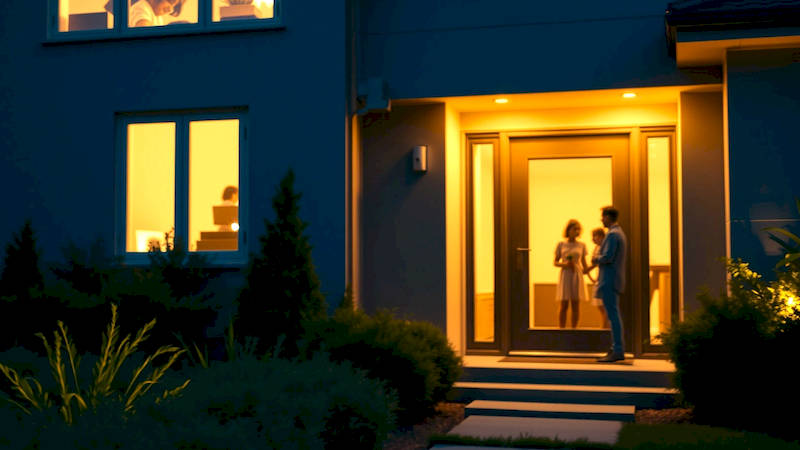
The relentless increase in property crime has prompted homeowners to seek increasingly sophisticated security solutions. While traditional lock-and-key systems have served for centuries, they lack the real-time monitoring, remote control, and comprehensive verification capabilities offered by modern smart home technology. Smart locks, evolving beyond simple keyless entry, now integrate seamlessly with video verification systems, creating a powerful synergy that dramatically enhances entry control and peace of mind. This article will delve into the benefits, implementation, considerations, and future trends surrounding the integration of smart locks and video verification – offering a comprehensive guide for homeowners looking to elevate their home security posture. The combination isn’t just about convenience, it’s about creating a truly responsive and verifiable security ecosystem.
The traditional approach to home security often reacts after a breach occurs. Alarms sound, police are notified, but valuable time, and often possessions, are lost. Smart locks with video verification represent a proactive shift, offering the ability to visually confirm the identity of individuals attempting entry before granting access, or immediately verify alerts. This reduces false alarms – a significant drain on police resources and a cause of homeowner frustration – and provides law enforcement with actionable intelligence during real security events. This isn't simply an upgrade; it’s a paradigm shift in how we approach home protection.
- Understanding the Core Components: Smart Locks & Video Verification
- The Benefits of Integrated Smart Lock and Video Verification Systems
- Implementation and Setup: A Step-by-Step Guide
- Addressing Privacy and Security Concerns
- Future Trends: AI, Facial Recognition, and Proactive Security
- Conclusion: A Smarter, More Secure Future for Your Home
Understanding the Core Components: Smart Locks & Video Verification
Smart locks have come a long way from their initial iterations. Modern models offer a wide range of features, including keyless entry via keypad, smartphone app, or biometric scanning; remote access control; activity logging; and integration with other smart home devices. Leading brands like August, Yale, Schlage, and Level offer various locking mechanisms, connectivity options (Wi-Fi, Bluetooth, Z-Wave, Zigbee), and aesthetic designs. However, a smart lock, on its own, only addresses who can access a property. It doesn’t confirm why. That’s where video verification enters the equation.
Video verification systems comprise a network of security cameras – typically doorbell cameras, outdoor cameras, or indoor cameras strategically positioned to capture entry points – paired with a monitoring service (professional or self-monitored) and intelligent software that analyzes video footage. When a smart lock is triggered (e.g., a lock attempt, a door opening), the cameras activate and transmit footage to the monitoring center or the homeowner’s smartphone. The key difference between simple video surveillance and video verification lies in the active analysis. Instead of just recording, the system assesses if the activity is a legitimate entry (e.g., a family member), a potential intruder, or a false alarm (e.g., a delivery person).
The synergy between the two is crucial. Imagine a scenario where your smart lock detects an attempted unauthorized entry. Without video verification, you receive an alert and must manually review camera footage, potentially after a compromise. With video verification, the monitoring service immediately views the live feed. If they confirm a genuine threat, they can dispatch emergency services instantly, providing critical response time. This dynamic interplay provides a higher level of security than either technology offers in isolation.
The Benefits of Integrated Smart Lock and Video Verification Systems
The advantages of combining smart locks and video verification are multi-faceted, extending beyond simply deterring burglars. One key benefit is reduced false alarms. Traditional alarm systems trigger responses based on sensor activation, leading to a high rate of false alarms – often due to pets, weather conditions, or user error. According to a report by the Security Industry Association (SIA), false alarms account for approximately 98% of all alarm dispatches. Video verification allows monitoring centers to visually confirm the nature of the alarm before alerting emergency services, significantly reducing unnecessary dispatches and associated fines.
Beyond lowering false alarm rates, the integrated system enhances response times during genuine security events. When a potential threat is visually confirmed, emergency responders can arrive on the scene faster and with more accurate information. This faster response can be critical in preventing property damage, injury, or worse. Furthermore, the system generates detailed activity logs, providing a record of all entry and exit events, which can be invaluable for investigations or insurance claims. This comprehensive data storage provides a level of accountability and insight previously unavailable with traditional security methods.
Additionally, integrated systems offer a considerable convenience factor. Remote access control allows homeowners to grant access to guests, service providers, or family members even when they are away. Video verification adds a layer of security to this convenience, ensuring that only authorized individuals are granted entry. This is particularly useful for rental properties or when managing access for multiple household members.
Implementation and Setup: A Step-by-Step Guide
Setting up a smart lock and video verification system may seem daunting, but many systems are designed for relatively straightforward DIY installation. The first step involves selecting compatible components. Research thoroughly to ensure your chosen smart lock and video cameras utilize a common communication protocol (e.g., Wi-Fi, Z-Wave) and integrate seamlessly with your preferred smart home platform (e.g., Amazon Alexa, Google Assistant, Apple HomeKit). Compatibility is paramount, avoiding frustrating integration issues.
Next, install the smart lock according to the manufacturer's instructions. This generally involves removing your existing deadbolt and replacing it with the smart lock mechanism. Following the placement of the lock, install the video cameras strategically around entry points, ensuring clear visibility and adequate lighting. Consider camera positioning to avoid obstructions and maximize coverage. Connect both the smart lock and cameras to your home Wi-Fi network and configure them within the relevant mobile app.
Crucially, configure the integration between the smart lock and the video verification system. This typically involves linking the accounts within the respective apps and setting up rules for triggering video verification events – for example, triggering a live feed when the lock is unlocked outside of scheduled times or by an unrecognized user code. Test the entire system thoroughly to ensure all components are functioning correctly and the integration is working as expected. Finally, consider a professional monitoring service for 24/7 protection.
Addressing Privacy and Security Concerns
While smart locks and video verification offer significant security benefits, legitimate privacy and security concerns must be addressed. Data privacy is a major concern, as these systems collect sensitive information about your comings and goings. Select reputable brands with robust data encryption and privacy policies. Ensure you understand how your data is stored, used, and shared. Strong passwords, two-factor authentication, and regular software updates are essential for securing your system against unauthorized access.
Another concern is the potential for hacking. While sophisticated hacking attempts are rare, it’s essential to choose a system with robust security features and keep your software up-to-date to patch vulnerabilities. A compromised smart lock could allow intruders to gain access to your home. Similarly, a hacked camera could allow unauthorized individuals to view live footage of your property. Consider enabling end-to-end encryption for video streams and utilizing a dedicated virtual private network (VPN) for added security.
Finally, be mindful of the legal implications of video surveillance. Ensure you comply with local laws regarding recording audio and video, particularly in public areas. Clearly post signage indicating that your property is under video surveillance. Transparency and compliance are critical for mitigating legal risks.
Future Trends: AI, Facial Recognition, and Proactive Security
The future of smart lock and video verification technology is poised for further innovation, driven by advancements in artificial intelligence (AI) and machine learning. AI-powered algorithms are being developed to analyze video footage with greater accuracy, identifying suspicious behavior patterns and proactively alerting homeowners to potential threats. Facial recognition technology is also emerging as a feature in some systems, allowing the lock to automatically unlock for recognized family members and alert you to the presence of unfamiliar faces.
We’re also seeing a move towards more proactive security measures, with systems capable of anticipating potential threats based on historical data and environmental factors. For example, a system might automatically increase security settings during times of increased crime in the neighborhood or when the homeowner is on vacation. These kinds of capabilities will make smart home security even more intelligent and responsive.
Furthermore, expect to see greater integration with other smart home devices and ecosystems. Seamless interoperability will allow homeowners to create truly customized security systems tailored to their specific needs and lifestyle. This integrated approach will be key to maximizing the effectiveness of smart home security solutions.
Conclusion: A Smarter, More Secure Future for Your Home
Integrating smart locks with video verification represents a significant leap forward in home security technology. By combining the convenience of keyless entry with the visual confirmation of video surveillance, homeowners can achieve a level of control and peace of mind previously unattainable. While legitimate privacy and security concerns must be addressed, the benefits – reduced false alarms, faster response times, enhanced convenience, and proactive security – far outweigh the risks for those who take the necessary precautions.
The key takeaways are clear: prioritize compatible components, install and configure the system carefully, implement robust security measures, and stay informed about emerging technology trends. As AI and machine learning continue to evolve, we can expect even more intelligent and responsive security systems that will further revolutionize the way we protect our homes and loved ones, ensuring a smarter and more secure future for all. Taking that first step toward integration isn’t just about upgrading your security, it's about investing in peace of mind.
Deja una respuesta