
The Role of Smart Security Cameras in Home Insurance Discounts
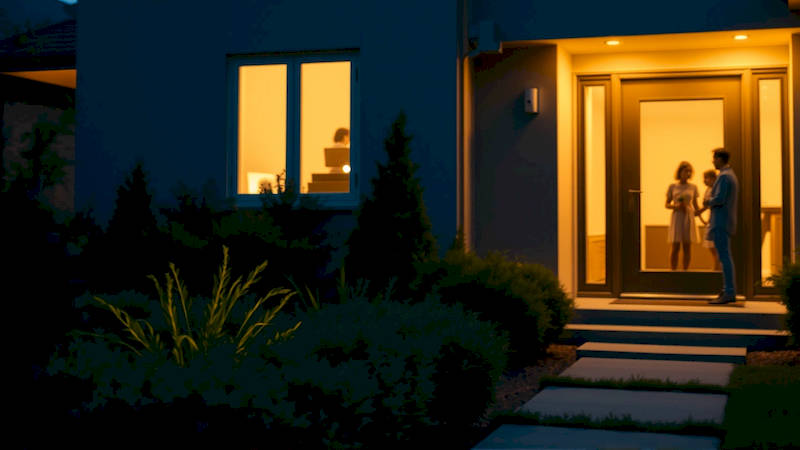
The peace of mind that comes with knowing your home is secure is invaluable. But beyond the emotional benefit, investing in a smart home security system, particularly smart security cameras, can translate into tangible financial rewards – specifically, discounts on your homeowner’s insurance. For years, insurance companies have offered discounts for traditional security systems, but the rise of smart technology, with features like remote monitoring, video recording, and instant alerts, is dramatically changing the landscape of home security and its relationship with insurance providers. This article delves into the ways smart security cameras can help you lower your home insurance premiums, what to look for in a camera to maximize potential savings, and what the future holds for smart security and insurance.
The correlation between home security and reduced risk is a fundamental principle in insurance underwriting. The more measures homeowners take to prevent theft, fire, or water damage, the less risk the insurance company assumes. Consequently, they reward preventative behavior with lower premiums. Smart security cameras, with their proactive monitoring and deterrent effect, fit squarely into this principle. They’re no longer simply reactive devices that record after a break-in; they're active components of a comprehensive security strategy. Understanding how to leverage these devices to demonstrate a lower risk profile to your insurer is key to unlocking valuable savings.
- Understanding How Smart Cameras Reduce Insurance Risk
- Qualifying for Discounts: What Insurance Companies Look For
- Popular Insurance Providers Offering Smart Home Security Discounts
- Choosing the Right Smart Security Camera for Insurance Benefits
- Documenting Your System and Communicating with Your Insurer
- The Future of Smart Security and Home Insurance
- Conclusion: Securing Savings and Your Home
Understanding How Smart Cameras Reduce Insurance Risk
Insurance companies assess risk based on a complex set of factors, including location, age of the home, claims history, and security measures. Smart security cameras directly address the risk of burglary, which remains a significant concern for homeowners. A visible security camera system acts as a deterrent, discouraging potential intruders from targeting your property. “Studies show that homes with visible security systems are up to 300% less likely to be burglarized,” states a report by the University of North Carolina at Charlotte. This reduction in risk directly translates to lower claims payouts for insurance companies.
Furthermore, smart cameras provide insurers with valuable data in the event of a claim. High-quality video footage can help determine the cause of damage, identify potential fraudulent claims, and expedite the claims process. Faster adjudication and minimized fraudulent activity contribute to overall cost savings for insurers, which are often passed on to policyholders through discounts. The ability to provide concrete evidence – rather than relying solely on witness statements or estimates – is a significant advantage for both homeowners and insurance companies.
Finally, many smart security cameras offer features like motion detection and remote monitoring that allow homeowners to address potential issues before they escalate into significant claims. For example, a camera detecting a water leak can prompt immediate action, preventing extensive water damage and a costly repair. This proactive approach to home maintenance is a highly desirable characteristic from an insurance perspective.
Qualifying for Discounts: What Insurance Companies Look For
While simply having a smart security camera isn’t always enough to guarantee a discount, several factors influence whether you’ll qualify. First, the system needs to be professionally monitored. Many insurance companies require 24/7 professional monitoring, meaning a security company actively monitors your camera feeds and alerts authorities in case of an emergency. While self-monitored systems are becoming increasingly popular, they generally don’t qualify for the same level of discounts.
Second, the quality and features of the camera system matter. Insurers want to see high-resolution cameras with clear video quality, night vision capabilities, and reliable recording storage (cloud or local). Systems that offer two-way audio communication and compatibility with other smart home devices (like smart locks and lighting) are also viewed favorably. The ability to integrate security cameras with a broader smart home ecosystem demonstrates a comprehensive approach to security.
Finally, documentation is crucial. You’ll likely need to provide your insurance company with details about your security system, including the type of cameras, monitoring service details, and installation date. Some insurers may even require proof of professional installation. Don't assume they are automatically aware of your system – proactively informing them and providing the necessary documentation is essential.
Popular Insurance Providers Offering Smart Home Security Discounts
Several major insurance companies are actively embracing smart home technology and offering discounts to customers who invest in security systems. State Farm, for example, offers discounts through their SimpliSafe partnership, and may also provide credits for other eligible systems. Allstate’s Digital Home Bundle offers discounts for devices like security cameras alongside smart smoke detectors and water leak sensors.
Liberty Mutual offers "RightTrack," a program that provides discounts based on safe driving habits – a similar philosophy is being applied to home security with smart home integrations. Farmers Insurance offers discounts for monitored home security systems, including those with smart camera capabilities. Progressive also provides discounts for monitored security systems and encourages homeowners to explore smart home solutions. It's crucial to check with your specific insurance provider to understand their eligibility requirements and potential discount amounts. These discounts can range from 5% to 20% on your annual premium, adding up to significant savings over time.
Choosing the Right Smart Security Camera for Insurance Benefits
Not all smart security cameras are created equal when it comes to maximizing insurance discounts. Prioritize systems that offer professional monitoring, high-resolution recording, and reliable storage. Consider cameras with features like intelligent motion detection, which can differentiate between human activity and irrelevant movements (like swaying trees), reducing false alarms.
Look for cameras that integrate well with other smart home devices, allowing you to create automated security scenarios. For instance, a camera detecting motion could automatically turn on outdoor lights and lock smart door locks, creating a more robust defense. Additionally, research the camera's privacy settings and ensure data is securely stored and encrypted. It’s essential to choose a reputable brand with a strong track record of security and reliability. Ring, Arlo, Nest, and SimpliSafe are all popular choices, but each has its strengths and weaknesses. Thorough research and comparison are key.
Specifically, ensure the camera system allows for easy access to recorded footage in the event of a claim. Some systems make it cumbersome to retrieve recordings, which can hinder the claims process. A user-friendly interface and readily available video evidence are highly valued by insurers.
Documenting Your System and Communicating with Your Insurer
Once you've installed your smart security camera system, the next step is to document everything and communicate with your insurance provider. Gather all relevant documentation, including the purchase receipt, installation date, details about the monitoring service (if applicable), and specifications of the cameras themselves.
Create a concise summary of your system's features and benefits, highlighting its security features in relation to your insurer’s requirements. For example, “The system features three HD cameras with motion detection, night vision, and 24/7 professional monitoring by [Monitoring Company Name].” Contact your insurance agent or customer service representative to inform them about the new system and provide the documentation.
Be prepared to answer questions about your system and understand their specific requirements for qualifying for a discount. If you don't receive a discount immediately, politely inquire about the process and what additional information might be needed. Remember, insurance companies often evaluate discounts during your policy renewal period.
The Future of Smart Security and Home Insurance
The integration of smart security technology and home insurance is only going to deepen in the years to come. We can expect to see more sophisticated risk assessment models that leverage data from smart home devices to create personalized insurance premiums. Insurers may begin offering "usage-based" insurance, where premiums are adjusted based on real-time security data.
Artificial intelligence (AI) will play a crucial role in enhancing security camera capabilities and improving the accuracy of risk assessment. AI-powered cameras will be able to identify potential threats with greater precision, minimizing false alarms and improving response times. We may also see the emergence of "smart home insurance packages" that bundle coverage for various smart home devices, providing comprehensive protection and potential discounts. As technology continues to evolve, homeowners who embrace smart security solutions will be well-positioned to benefit from lower insurance premiums and enhanced peace of mind.
Conclusion: Securing Savings and Your Home
Smart security cameras offer a powerful combination of peace of mind and potential financial savings through reduced home insurance premiums. By understanding the factors that influence insurance discounts, choosing the right camera system, and proactively communicating with your insurer, you can unlock valuable savings while enhancing the security of your home. Remember that professional monitoring, high-quality video, and seamless integration with other smart home devices all contribute to a more favorable risk profile in the eyes of insurance companies.
The future of home insurance is undeniably linked to the growth of smart home technology. Homeowners who proactively adopt these advancements will be best positioned to reap the benefits of personalized risk assessment, usage-based insurance models, and lower premiums. Take the time to research your options, document your system, and advocate for the discounts you deserve – securing your home and your savings has never been easier. The initial investment in a smart security system can quickly pay for itself through reduced insurance costs, offering a compelling return on investment while ensuring the safety and security of your most valuable asset.
Deja una respuesta