
Creating a DIY Smart Security Upgrade Plan on a Budget
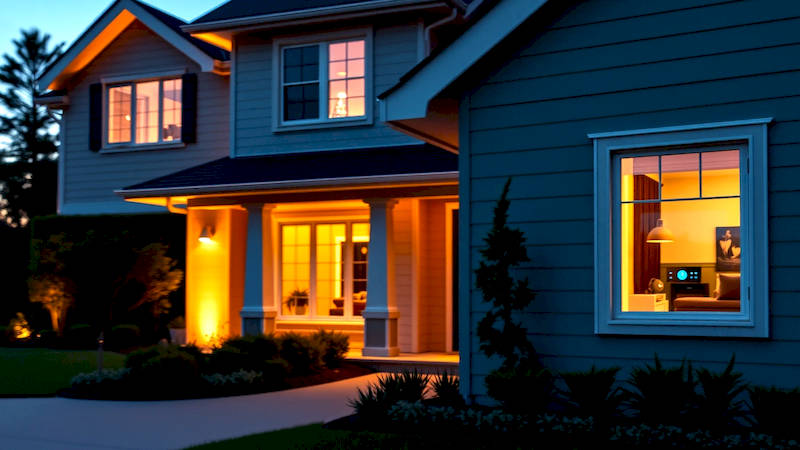
The desire for home security is as old as homes themselves. However, traditional security systems often come with hefty upfront costs, long-term contracts, and professional installation fees – barriers that can make peace of mind inaccessible for many. Thankfully, the rise of affordable smart home technology has democratized security, allowing homeowners to create robust, customized surveillance and protection systems without breaking the bank. A DIY smart security upgrade isn’t simply about installing a camera; it’s about intelligently layering security measures to create a comprehensive system tailored to your individual needs and vulnerabilities.
This isn’t about replacing professional security entirely, but augmenting it, or providing effective security where a full system isn't feasible. The modern DIY approach leverages the power of readily available devices, cloud storage, and user-friendly apps, putting control directly in the hands of the homeowner. A well-planned DIY system can provide real-time alerts, remote monitoring, and even deter potential intruders, all while offering flexibility and cost savings. According to a report by Statista, the smart home security market is projected to reach $78.29 billion by 2028, showcasing the increasing adoption and affordability of these technologies.
This article will guide you through creating a DIY smart security upgrade plan on a budget, covering everything from assessing your needs to choosing the right components and implementing a comprehensive strategy. We’ll focus on maximizing security impact while minimizing financial strain, offering practical tips and actionable steps to empower you to protect your home and loved ones.
- Assessing Your Security Needs and Vulnerabilities
- Building the Core: Smart Cameras – Indoor and Outdoor
- Reinforcing Entry Points: Smart Locks and Contact Sensors
- The Brains of the Operation: Smart Hubs and Integration
- Beyond the Basics: Environmental Sensors and Deterrents
- Conclusion: Your Empowered, Protected Home
Assessing Your Security Needs and Vulnerabilities
Before diving into the world of smart cameras and sensors, a thorough risk assessment is crucial. Don't simply buy the latest gadgets; identify where your vulnerabilities lie. Start with a walk around your property, both inside and out, looking at potential entry points. Are your windows and doors secure? Is your landscaping providing cover for would-be intruders? Consider factors like your neighborhood crime rate, your home’s visibility from the street, and your typical daily routines. A home left unattended for long periods is naturally more vulnerable than one with frequent occupancy.
This assessment should go beyond physical entry points. Think about environmental risks too. Do you live in an area prone to fires or floods? Smart smoke and water detectors can provide early warnings, potentially mitigating significant damage. Think about the value of items inside your home as well – what are you trying to protect? This helps prioritize security measures. For instance, if you have valuable artwork, a motion-activated camera focused on that area might be a worthwhile investment.
Finally, consider your lifestyle. Do you have pets? If so, you’ll need motion sensors that can differentiate between a human intruder and a furry friend. Do you frequently travel? Remote access and control are paramount in such cases. Knowing your specific vulnerabilities allows you to tailor your security system for maximum effectiveness, preventing wasted spending on unnecessary features.
Building the Core: Smart Cameras – Indoor and Outdoor
Smart cameras are the backbone of most DIY security systems. The market is saturated with options, ranging from basic indoor cameras to advanced pan-and-tilt models with facial recognition. For outdoor security, prioritize weatherproof cameras with night vision and wide-angle lenses. Wireless cameras offer ease of installation, but ensure a strong Wi-Fi signal reaches the location. Wired cameras are generally more reliable and secure, but require more technical expertise for setup. Brands like Wyze, Blink, and Eufy offer excellent budget-friendly options without compromising on essential features.
When choosing cameras, consider storage options. Many cameras offer cloud storage subscriptions, allowing you to save recorded footage remotely. This provides a backup in case the camera is stolen or damaged. However, cloud storage can become expensive over time. Alternatively, some cameras support local storage via SD card, offering a one-time cost and more privacy. Ensure the camera integrates with other smart home devices you plan to use, fostering a cohesive and automated security ecosystem. A case study from Consumer Reports found that cameras with two-factor authentication significantly reduced the risk of unauthorized access, so prioritize this feature.
Don’t overlook the power of well-placed indoor cameras. These can be particularly useful for monitoring vulnerable areas like entryways, hallways, and rooms containing valuables. Focus on areas where intruders are likely to travel if they gain access. Indoor cameras also provide peace of mind when you’re away from home, allowing you to check on children, pets, or elderly relatives.
Reinforcing Entry Points: Smart Locks and Contact Sensors
Cameras capture events, but smart locks and contact sensors prevent them. Smart locks replace traditional deadbolts with electronically controlled versions, allowing you to lock and unlock your doors remotely via a smartphone app. Keypad entry eliminates the need for physical keys, while activity logs provide a record of who accessed your home and when. They are especially useful for letting in family members or service providers when you're not home. Some smart locks integrate with voice assistants like Amazon Alexa and Google Assistant for hands-free control.
Complementing smart locks are contact sensors, which detect when doors or windows are opened. These sensors trigger an alarm or send a notification to your smartphone, alerting you to potential intrusions. They’re inexpensive and easy to install, making them a great starting point for a DIY security setup. Consider placing sensors on all exterior doors and windows, as well as basement windows and any other access points. A lesser-known, but crucial application for contact sensors is monitoring vulnerable interior doors like those leading to garages or basements.
The synergistic effect of smart locks and contact sensors is significant. If a contact sensor detects a forced entry, you can remotely view the camera feed and even engage in two-way communication with the intruder via the smart lock's built-in speaker (if equipped).
The Brains of the Operation: Smart Hubs and Integration
While individual smart devices are useful, a smart hub ties everything together, creating a truly intelligent security system. A smart hub (e.g., Amazon Echo, Google Nest Hub, Samsung SmartThings) acts as a central control point, allowing devices from different manufacturers to communicate with each other. This enables you to create automated routines and scenarios. For example, you can set up a routine that automatically locks all doors, arms the security system, and turns off the lights when you leave home.
Integration is key. Ensure the hub supports the wireless protocols used by your chosen devices (e.g., Wi-Fi, Zigbee, Z-Wave). Consider the hub’s compatibility with voice assistants, allowing you to control your security system with voice commands. Some hubs also offer professional monitoring services for an extra fee, providing 24/7 support in case of an emergency. For example, hubs from Abode offer self-monitoring options with the ability to add professional monitoring as needed.
Don't underestimate the power of IFTTT (If This Then That) integration. IFTTT allows you to create custom "applets" that connect your smart security devices with other online services. For instance, you could create an applet that automatically turns on your porch lights when a motion sensor detects activity. This level of customization offers unparalleled control and automation.
Beyond the Basics: Environmental Sensors and Deterrents
A comprehensive security system extends beyond intrusion detection. Environmental sensors, such as smoke detectors, carbon monoxide detectors, and water leak detectors, can protect your home from unforeseen disasters. Smart smoke detectors send alerts to your smartphone, even when you’re away from home, potentially saving lives and minimizing property damage. Similarly, water leak detectors can detect leaks early on, preventing costly water damage.
Adding deterrents to your security plan further enhances its effectiveness. Motion-activated lights can scare off potential intruders, while simulated TV devices can create the illusion that someone is home when you’re away. Security yard signs and window stickers can also deter burglars, signaling that your property is protected. A study by the University of North Carolina at Charlotte found that homes with visible security measures were significantly less likely to be targeted by burglars.
Finally, consider a smart doorbell. Not only does it allow you to see and speak to visitors remotely, but it also records video footage of anyone who approaches your door, providing valuable evidence in case of an incident. Many smart doorbells integrate seamlessly with other smart home devices, creating a comprehensive security solution.
Conclusion: Your Empowered, Protected Home
Creating a DIY smart security upgrade plan on a budget is achievable, empowering homeowners to take control of their safety and peace of mind. The key lies in a systematic approach: assess your individual vulnerabilities, select the right components based on your needs, and integrate them effectively using a smart hub. Remember to prioritize preventative measures, such as smart locks and contact sensors, alongside reactive measures like cameras and alarms. Don’t aim for perfection immediately; start small and gradually expand your system as your budget and needs evolve.
The market is constantly evolving, so stay informed about new technologies and security best practices. One crucial takeaway is that security is a layered approach—no single device can solve everything. A combination of smart devices, careful planning and a focus on preventative measures is the most effective strategy. Your actionable next steps should be to conduct a thorough home security assessment, research smart home devices within your budget, and build a phased implementation plan. By taking these steps, you can transform your house into a smart, secure, and protected home, providing lasting peace of mind for you and your loved ones.
Deja una respuesta