
Automating Your Outdoor Smart Lighting for Security and Ambiance
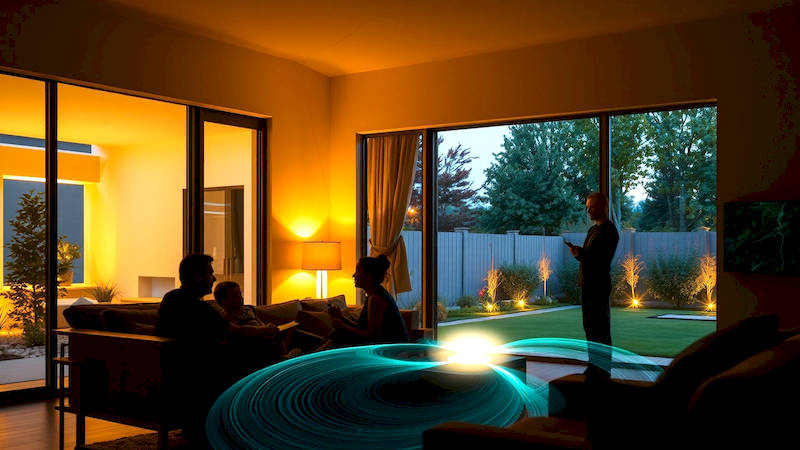
The allure of a well-lit home extends far beyond mere aesthetics; it’s a cornerstone of both security and curb appeal. Traditionally, outdoor lighting meant manual switching, timers, or a reliance on motion sensors with limited customization. However, the advent of smart lighting systems has revolutionized how we illuminate our exteriors, offering unprecedented control, automation, and personalization. Automating your outdoor smart lighting isn't simply about convenience—it's about creating a safer environment, enhancing your home's ambiance, and potentially saving on energy costs. This article delves into the multifaceted benefits of automated outdoor smart lighting, providing a comprehensive guide to implementation, security features, and advanced customization options.
Beyond the basic on/off functionality, modern smart lighting allows for dynamic scenes, geofencing, integration with security systems, and responsive adjustments based on weather patterns. This transition elevates outdoor lighting from a reactive measure to a proactive component of home management. The growing popularity of smart home technology reflects this shift. According to Statista, the smart lighting market is projected to reach $18.8 billion by 2028, highlighting the increasing consumer demand for intelligent illumination solutions. By understanding the capabilities of these systems, homeowners can create a truly integrated, secure, and welcoming outdoor environment.
- Understanding the Core Components of a Smart Outdoor Lighting System
- Enhancing Security with Automated Outdoor Lighting
- Creating Ambiance: Dynamic Scenes and Color Control
- Integrating with Voice Assistants and Smart Home Ecosystems
- Troubleshooting Common Issues and Maintaining Your System
- Conclusion: Embracing the Future of Outdoor Illumination
Understanding the Core Components of a Smart Outdoor Lighting System
At its heart, a smart outdoor lighting system comprises three key components: the smart lights themselves, a central hub or bridge, and a control method – typically a smartphone app. The smart lights vary widely, from direct replacements for existing bulbs to fully integrated fixtures with built-in smart functionality. These lights communicate using various protocols, the most common being Wi-Fi, Zigbee, and Z-Wave. Wi-Fi offers easy setup and direct connection to your existing network, but can sometimes suffer from range limitations and potential network congestion. Zigbee and Z-Wave, on the other hand, create a dedicated mesh network, resulting in improved reliability and range, albeit often requiring a dedicated hub.
The central hub acts as the brain of the system, translating signals between the lights and your network, allowing for remote control and automation. Popular hub options include the Philips Hue Bridge, Samsung SmartThings Hub, and Amazon Echo devices with built-in Zigbee hubs. Choosing the right hub is crucial, as compatibility with your selected lights is paramount. Finally, the control app – provided by the hub manufacturer or a third-party platform – provides the interface for managing your lights, creating schedules, and setting up automations. "Selecting a system based on your home's infrastructure and desired level of control is vital," advises Sarah Klein, a smart home consultant. "Someone with a simple setup might be happy with Wi-Fi bulbs, while a larger property benefits from the robustness of Zigbee or Z-Wave."
To begin designing your automated outdoor lighting, it’s crucial to map out the areas you want to cover and identify specific lighting goals for each zone – whether it’s pathway illumination, security spotlighting, or decorative accent lighting. Understanding the spectrum of available components and their interoperability is the first step towards a truly connected and customized outdoor lighting experience.
Enhancing Security with Automated Outdoor Lighting
The security benefits of automated outdoor lighting are perhaps its most significant draw. A well-lit exterior deters potential intruders, while smart features can provide proactive alerts and even simulate occupancy while you're away. Motion-activated lighting is a foundational element of outdoor security. However, smart systems take this concept further by allowing you to customize sensitivity, trigger zones, and even integration with security cameras. For instance, a motion sensor can trigger not only the lights but also send a notification to your smartphone and begin recording footage from your security cameras.
Beyond the reactive approach of motion sensing, smart systems enable proactive security measures. Geofencing allows you to automatically turn on lights as you approach home, providing a welcoming and secure environment as you arrive. Simultaneously, you can create schedules to turn lights on and off while you’re on vacation, mimicking your regular patterns and deterring burglars. According to a study by the University of North Carolina at Charlotte, homes with visible security lighting are 39% less likely to be targeted by burglars. Furthermore, many systems allow integration with professional monitoring services, adding another layer of security and peace of mind. This seamlessly combines everyday convenience with genuine safety features.
Crucially, remember to avoid overly bright or consistently flashing lights, as these can annoy neighbors and potentially diminish their effectiveness. Instead, focus on strategic illumination and intelligent automation.
Creating Ambiance: Dynamic Scenes and Color Control
While security is paramount, automated outdoor lighting also offers the opportunity to dramatically enhance your home’s ambiance. Smart lighting systems often allow for precise control over color temperature and brightness, enabling you to create a variety of moods and atmospheres. Warm white tones are ideal for creating a welcoming and inviting atmosphere on patios or decks, while cooler white tones can provide brighter illumination for pathways and driveways. Many systems support full-color control, opening up a world of possibilities for festive decorations or subtle accent lighting.
The power truly lies in the ability to create and save custom 'scenes'. A 'Movie Night' scene could dim pathway lights and illuminate a patio seating area with warm, inviting tones. A 'Party Mode' might cycle through a range of vibrant colors. Similarly a ‘Welcome Home’ scene could fade lights on gradually as you return. Some higher-end systems even synchronize lighting with music, creating a dynamic and immersive experience. This adds a level of sophistication and personalization that traditional lighting simply can’t match.
Integrating your outdoor lighting with interior smart lighting further enhances the seamless ambiance. For example, a voice command can simultaneously adjust both indoor and outdoor lighting to create a harmonious atmosphere throughout your home. This creates a unified and immersive lighting experience, enhancing the aesthetic appeal of your entire property.
Integrating with Voice Assistants and Smart Home Ecosystems
A key advantage of smart outdoor lighting is its seamless integration with popular voice assistants like Amazon Alexa, Google Assistant, and Apple Siri. This allows for hands-free control of your lights simply by using voice commands. “Alexa, turn on the patio lights,” or “Hey Google, dim the driveway lights to 50%” are just a couple of examples. This level of convenience is especially valuable when carrying groceries or when your hands are otherwise occupied.
However, the integration extends beyond simple voice control. Smart outdoor lighting can be integrated into broader smart home ecosystems, triggering automated routines based on various conditions. For example, you could create a routine that automatically turns on the porch light when your smart doorbell detects motion, or a routine that dims all outdoor lights when you start a movie in your home theater. IFTTT (If This Then That) is a popular platform that facilitates these types of complex integrations, connecting different smart devices and services.
The ability to seamlessly integrate outdoor lighting with your existing smart home setup is essential for maximizing the benefits of the technology and creating a truly connected and automated living experience. Considerations include your existing ecosystem (Apple HomeKit, Google Home, Amazon Alexa) and ensuring compatibility with new devices before purchasing.
Troubleshooting Common Issues and Maintaining Your System
While generally reliable, smart outdoor lighting systems can sometimes encounter issues. Connection problems are among the most common, often stemming from Wi-Fi interference or a weak signal. Ensuring your hub is strategically placed and that your Wi-Fi network is robust is crucial. Firmware updates are also essential for maintaining optimal performance and security. Regularly checking for and installing updates will address bugs and vulnerabilities.
Another common issue is light responsiveness. If lights are slow to respond to commands, it may indicate a problem with the hub, the lights themselves, or network congestion. Restarting the hub and re-pairing the lights often resolves these issues. Battery-powered lights require periodic battery replacement, and excessive exposure to weather can degrade the performance of outdoor fixtures. Regular inspection and maintenance can prevent these issues.
Finally, consider security. Ensure your smart home network is protected with a strong password and enable two-factor authentication whenever possible. Regularly review the permissions granted to connected devices and apps to minimize potential security risks. Properly maintaining and securing your system will ensure longevity and peace of mind.
Conclusion: Embracing the Future of Outdoor Illumination
Automating your outdoor smart lighting is no longer a futuristic fantasy, but a practical and readily available solution for enhancing security, boosting curb appeal, and creating a more comfortable and convenient lifestyle. From deterring potential intruders with motion-activated lighting and proactive security features, to setting the perfect ambiance with dynamic scenes and personalized color control, the possibilities are virtually limitless. Integrating with voice assistants and broader smart home ecosystems further elevates the experience, offering seamless control and automation.
The key takeaways are clear: carefully plan your lighting zones, select compatible components, prioritize security, and regularly maintain your system. By embracing these best practices, you can unlock the full potential of smart outdoor lighting and transform your home’s exterior into a welcoming, secure, and beautifully illuminated space. Taking the first step – research, planning, and a small initial investment – can begin the process of transforming your home and safeguarding your peace of mind.
Deja una respuesta