
Creating a Smart Lighting Safety Plan with Motion Sensors and Timers
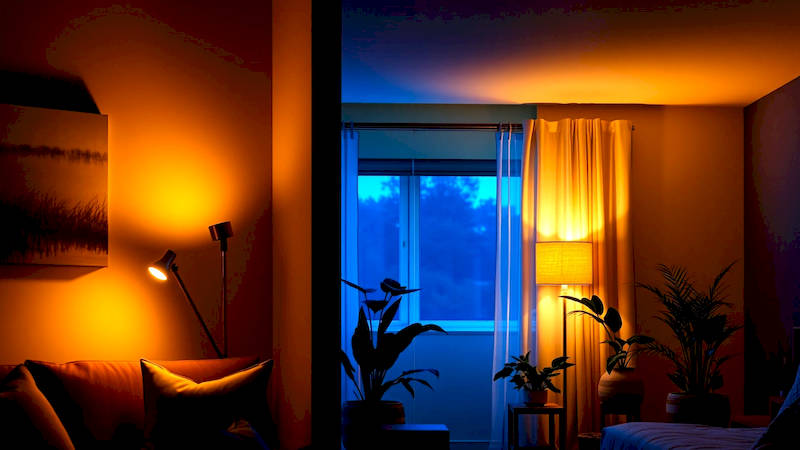
The appeal of smart home technology goes beyond convenience; for many, it’s about enhanced security and peace of mind. While smart doorbells and security cameras often take center stage in discussions about home safety, smart lighting systems, particularly when leveraging motion sensors and timers, represent a surprisingly powerful yet often underutilized layer of protection. A well-planned smart lighting strategy can deter potential intruders, provide crucial visibility, and even contribute to the overall feeling of safety and well-being for you and your family. With advancements in affordability and ease of installation, creating such a system is now within reach for a vast majority of homeowners. This article dives deep into creating a comprehensive smart lighting safety plan, covering everything from sensor placement to advanced scheduling, ensuring your home is well-lit and secure, even when you're away.
Historically, home security relied on visible measures like robust locks and alarm systems. However, these were often reactive, triggering after a potential breach. Smart lighting, when implemented strategically, offers a proactive layer – the appearance of occupancy can be a significant deterrent to crime. Studies show that well-lit properties are significantly less likely to be targeted by burglars. Coupled with the convenience of remote control and customization, smart lighting presents a modern, effective, and increasingly accessible approach to home security. This isn’t simply about automating your lights; it’s about crafting a calculated safety net around your most valuable asset – your home.
- Understanding the Core Components: Motion Sensors and Timers
- Strategic Placement of Motion Sensors for Maximum Security
- Implementing Smart Timers: Beyond Basic On/Off Schedules
- Integrating Smart Lighting with Other Security Systems
- Addressing Common Concerns: False Alarms and System Reliability
- Maintaining and Updating Your Smart Lighting Safety Plan
Understanding the Core Components: Motion Sensors and Timers
At the heart of a smart lighting safety plan lie motion sensors and timers, each offering unique advantages and best suited for different applications. Motion sensors detect movement within a defined range and trigger lights to switch on, creating an immediate response to potential intrusions. Modern sensors utilize various technologies – passive infrared (PIR), microwave, and even dual-technology sensors to minimize false alarms. PIR sensors detect changes in heat signatures, while microwave sensors emit microwave pulses and detect disturbances. Dual-technology sensors combine both for increased accuracy, reducing the likelihood of triggering from pets or environmental factors. Sophisticated sensors now offer adjustable sensitivity, detection zones, and integration capabilities with other smart home devices.
Timers, on the other hand, operate on a pre-programmed schedule, cycling lights on and off to simulate occupancy even when no motion is detected. This is particularly useful for long periods of absence, like vacations. These aren't your grandmother's mechanical timers anymore; smart timers offer granular control, allowing for randomized schedules, sunrise/sunset synchronization, and remote adjustment via a smartphone app. You can create cascading lighting effects that mimic realistic patterns of use, making it harder for potential intruders to recognize your absence. The synergy between these two technologies is crucial – motion sensors provide immediate response, while timers maintain a consistent illusion of occupancy over time.
Strategic Placement of Motion Sensors for Maximum Security
Effective placement of motion sensors is paramount. It's not enough to simply install them; they must be positioned to cover vulnerable areas while minimizing false alarms. Consider key entry points like driveways, backyards, and side gates. For outdoor sensors, prioritize areas with limited natural light and those obscured by landscaping, as these are often favored by intruders. Mounting height is also crucial – typically between 6 and 10 feet is recommended. Lower placements may be triggered by small animals, while higher placements may miss movement close to the ground.
A common mistake is neglecting blind spots. Carefully walk around the perimeter of your property, identifying areas not covered by existing sensors. Also, be mindful of potential interference. Trees swaying in the wind, reflective surfaces, and even direct sunlight can cause false alarms, especially with PIR sensors. Utilizing sensors with adjustable sensitivity and directional focusing can help mitigate these issues. For example, angling the sensor downwards can reduce activation by distant movement, while sensitivity adjustments can filter out minor disturbances. In conjunction with placement, remember to test the sensor’s range and coverage regularly to ensure optimal performance.
Implementing Smart Timers: Beyond Basic On/Off Schedules
Smart timers provide far more control than simple on/off schedules. The key is to simulate realistic occupancy patterns, avoiding the robotic predictability that can give away your absence. Rather than setting lights to turn on and off at the exact same time every day, introduce randomization. Most smart lighting systems allow you to set a range of activation times. For example, instead of turning the living room lamp on at 6:00 PM every evening, set it to activate randomly between 5:45 PM and 6:15 PM.
Furthermore, leverage sunrise/sunset synchronization. Smart timers can automatically adjust lighting schedules based on the time of day, creating a more natural and convincing illusion of occupancy. Consider more complex scenarios, such as having different lights turn on at different times to simulate movement between rooms. For example, a light in the hallway could turn on 15 minutes after a light in the living room, suggesting someone is moving through the house. This level of detail can significantly enhance the effectiveness of your safety plan. Don't overlook the benefit of varying intensity – dimming lights adds another layer of realism.
Integrating Smart Lighting with Other Security Systems
The true power of a smart lighting safety plan emerges when integrated with other security systems. Connecting your smart lights to your security cameras allows for immediate illumination when motion is detected, providing clearer footage and potentially deterring intruders. Many systems even allow you to configure automatic recordings when lights are activated by motion, ensuring you have evidence in case of an incident.
Similarly, integration with your smart alarm system allows lights to flash during an alarm event, attracting attention and potentially scaring off intruders. Some systems even offer "vacation mode," automatically adjusting lighting schedules and simulating occupancy based on your travel dates. IFTTT (If This Then That) and similar platforms allow you to create custom integrations, opening up a world of possibilities. For example, you could configure your lights to turn on if your smart doorbell detects motion, alerting you to activity at your front door. The goal is to create a cohesive, interconnected security ecosystem that leverages the strengths of each individual component. According to a study by the University of North Carolina at Charlotte, homes with integrated security systems, including smart lighting, experience a 60% lower burglary rate.
Addressing Common Concerns: False Alarms and System Reliability
One of the biggest concerns with smart lighting-based security is the potential for false alarms. As mentioned earlier, proper sensor placement and sensitivity adjustments are crucial. However, even with careful configuration, occasional false alarms can occur. The key is to choose a system with reliable reporting and notification features. Ensure you receive alerts on your smartphone, allowing you to quickly verify the source of the alarm.
Another critical factor is system reliability. Choose a reputable brand with a proven track record. Consider a system with local control capabilities, meaning it can continue to function even if your internet connection is down. Redundancy is also important – ensure your system has a battery backup to prevent disruptions during power outages. "We see a lot of failures in smart home systems stemming directly from insecure and unreliable Wi-Fi networks," says cybersecurity expert, Bruce Schneier. Investing in a robust Wi-Fi router and a strong security protocol is a critical step, often overlooked, but essential for a dependable smart home security setup. Regularly update your system’s firmware and software to patch security vulnerabilities and improve performance.
Maintaining and Updating Your Smart Lighting Safety Plan
Creating a smart lighting safety plan isn't a "set it and forget it" endeavor. Regular maintenance and updates are essential to ensure its continued effectiveness. Periodically walk the perimeter of your property, checking sensor coverage and adjusting settings as needed. Update your lighting schedules based on changes in your lifestyle or travel patterns. Test the system regularly, verifying that all sensors and timers are functioning correctly.
Evaluate your system's performance over time and look for areas for improvement. Consider adding new sensors or lights to address blind spots. Stay informed about the latest advancements in smart lighting technology and explore new features that could enhance your security. As your needs evolve, so too should your smart lighting safety plan. Annual reviews and updates will ensure your home remains protected in a constantly changing environment.
In conclusion, a well-executed smart lighting safety plan, leveraging the power of motion sensors and timers, can significantly enhance your home's security and provide invaluable peace of mind. By understanding the core components, implementing strategic placement, integrating with other security systems, and prioritizing maintenance, you can create a robust and effective deterrent against potential intruders. Remember, it’s not solely about the technology; it’s about a proactive, considered approach to home safety that takes advantage of the convenience and intelligence of the smart home ecosystem. The key takeaways are to prioritize strategic sensor placement, utilize randomized and synchronized timer schedules, and ensure seamless integration with your existing security infrastructure. Take the time to assess your property's vulnerabilities, implement these recommendations, and enjoy the enhanced security and peace of mind that a smart lighting safety plan can provide.
Deja una respuesta