
Using smart audio sensors for adaptive sound environments
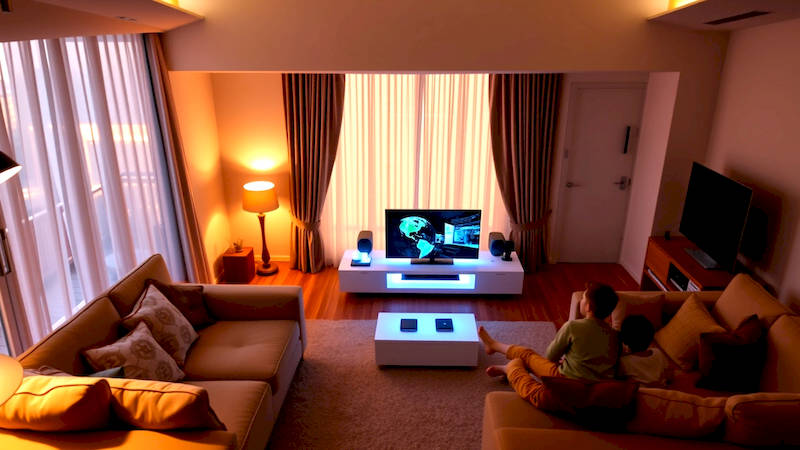
The modern home is increasingly defined by its ability to anticipate and respond to our needs. While smart thermostats and lighting systems have become relatively commonplace, the potential for truly intelligent audio experiences remains largely untapped. Traditionally, adjusting sound involved manual changes to volume, equalization, or even physically moving speakers. However, a new generation of smart audio sensors is poised to revolutionize home entertainment and audio automation, offering adaptive sound environments that optimize listening pleasure by reacting to room conditions, occupancy, and even ongoing activities. This technology doesn't just make things louder or quieter; it intelligently shapes sound to create the optimal acoustic experience, wherever you are in your home.
This shift represents a move beyond simple voice control and pre-set listening modes. Instead, it’s about a dynamic, responsive audio landscape that enhances everything from watching movies and listening to music to engaging in video calls and simply relaxing. The ability to automatically adjust sound based on noise levels, room reverberation, and even the number of people present is a significant step towards achieving a truly immersive and personalized home audio experience. Ignoring this emerging technology means missing out on a vital piece of the smart home puzzle, one that powerfully affects daily comfort and enjoyment.
The sophistication of these systems isn't limited to simply boosting volume in noisy environments. They represent a fundamental change in how we think about audio, from a static output to a fluid, adaptive element of the living space. By utilizing sophisticated algorithms and machine learning, smart audio sensors promise to deliver a consistently optimized listening experience, elevating the role of sound within the smart home ecosystem.
- Understanding the Core Technology: How Smart Audio Sensors Work
- Applications Beyond Volume Control: Creating Adaptive Scenarios
- Integrating with Existing Systems: Compatibility and Setup Considerations
- Privacy Concerns and Security Considerations
- The Future of Adaptive Audio: AI and Personalized Soundscapes
- Conclusion: Embracing the Adaptive Sound Revolution
Understanding the Core Technology: How Smart Audio Sensors Work
Smart audio sensors aren’t simply fancy microphones. They represent a convergence of several key technologies working in concert. At their heart lies a sensitive microphone array capable of capturing a broad range of frequencies and accurately identifying sound sources. This data is then fed into a digital signal processor (DSP), which analyzes the audio information in real-time. The DSP assesses factors like ambient noise levels, room acoustics (reverberation, echo), and even the characteristics of the music or audio being played. Crucially, many modern systems utilize machine learning algorithms, allowing them to ‘learn’ the unique acoustic profile of a room and refine their adjustments over time.
The real power comes from the integration of this audio analysis with other smart home devices. For example, a sensor detecting increased ambient noise (say, a lawnmower outside) might automatically increase the volume of the television. A sensor recognizing speech might prioritize clarity during a video call, reducing background noise and enhancing vocal frequencies. More sophisticated systems can even detect the location of people in the room using acoustic triangulation – determining where individuals are based on how sound waves bounce. This enables personalized audio zones, where sound is optimized for specific listening positions. The data acquired by these sensors isn’t just used for immediate adjustments; it’s often stored and analyzed to improve the system's performance over time, tailoring the audio experience even more precisely to the user's preferences.
These sensors often communicate via Wi-Fi or other wireless protocols (like Zigbee or Z-Wave) and integrate with popular smart home platforms such as Amazon Alexa, Google Assistant, and Apple HomeKit. This integration enables voice control and allows the audio system to be incorporated into broader smart home routines and automations. The key difference between older “sound recognition” technologies and these is the move from identification to analysis; it’s not simply recognizing what sound is present, but understanding how that sound impacts the listening experience.
Applications Beyond Volume Control: Creating Adaptive Scenarios
While automatic volume adjustment is a key feature, the capabilities of smart audio sensors extend far beyond simply making things louder or quieter. One powerful application is adaptive equalization. A sensor can analyze the room's acoustic properties – identifying frequencies that are accentuated or dampened due to reflections and standing waves – and automatically adjust the equalizer settings of your speakers to create a more balanced and accurate sound reproduction. This is particularly valuable in rooms with challenging acoustics, like those with hard surfaces or irregular shapes. Imagine being able to consistently hear clear, balanced audio, regardless of where you're sitting in a room.
Beyond equalization, the technology can facilitate automated “scene setting.” For example, a “Movie Night” scene could lower the lights, close the blinds, and adjust the audio settings to create a cinematic experience with enhanced bass and surround sound. Conversely, a “Conversation Mode” could prioritize speech clarity, reduce ambient noise, and optimize the sound for a smaller listening area. This is bolstered by occupancy detection– the system can switch from a full-room soundscape when occupied to low-power ‘ambient’ sound when a room is empty. Perhaps most impressively, smart audio sensors can be combined with other sensor data. A motion sensor detecting someone entering a room could automatically resume playing music from where it left off, or start a pre-defined playlist. “Ultimately, we’re striving to create an audio environment that anticipates your needs and blends seamlessly into your lifestyle,” says Dr. Emily Carter, a research scientist at Audiosense Labs.
Integrating with Existing Systems: Compatibility and Setup Considerations
One significant concern for potential adopters is compatibility. Fortunately, the increasing adoption of open standards is making integration easier. Many smart audio sensors are designed to work with existing multi-room audio systems from brands like Sonos, Bose, and Yamaha. However, it’s crucial to check compatibility before purchasing, ensuring that the sensor supports the same wireless protocols and integrates with your preferred smart home platform. The setup process itself is becoming increasingly streamlined. Most sensors offer guided setups through a mobile app, walking the user through connecting to Wi-Fi, calibrating the sensor, and integrating it with other devices.
However, achieving optimal performance often requires some fine-tuning. Considerations include sensor placement; placing sensors in strategic locations – away from direct sound sources and reflective surfaces – is crucial for accurate audio analysis. You’ll also need to designate ‘listening zones’ within your home, defining the areas where adaptive sound adjustments should be applied. Expect to spend some time “training” the system, allowing it to learn the unique acoustic characteristics of each room. The complexity of this stage can vary significantly depending on the sophistication of the sensor and the quality of its machine learning algorithms. More advanced systems might offer automated calibration routines, while others require manual adjustments based on subjective listening tests.
Privacy Concerns and Security Considerations
As with any smart home device that uses microphones, privacy is a legitimate concern. It's crucial to choose sensors from reputable manufacturers with a strong commitment to data security. Look for devices that offer end-to-end encryption, local processing capabilities (where audio data is processed on the device itself rather than being sent to the cloud), and clear privacy policies outlining how your data is collected and used. Many manufacturers allow you to disable the microphone at any time, providing an additional layer of control.
Security vulnerabilities are also a potential risk. Ensure your Wi-Fi network is secure and that the sensor’s firmware is regularly updated to patch any security flaws. Consider segmenting your smart home network, creating a separate network for IoT devices to isolate them from your primary network. Understanding the manufacturer’s security practices is paramount before introducing any audio sensors into your home environment; transparency and robust security measures are non-negotiable.
The Future of Adaptive Audio: AI and Personalized Soundscapes
The technology behind smart audio sensors is rapidly evolving, driven by advancements in artificial intelligence and machine learning. Future sensors will likely incorporate more sophisticated algorithms capable of understanding even more subtle nuances of the listening environment. For example, they may be able to identify different types of audio content (music, speech, movies) and automatically optimize the sound accordingly.
We can also anticipate a greater emphasis on personalization. AI-powered systems will be able to learn individual user preferences – how each person likes to listen to music, their preferred volume levels, and their sensitivity to certain frequencies – and create personalized soundscapes tailored to their unique needs. Voice biometrics could even be used to automatically adjust sound settings based on who is speaking. Moreover, the seamless integration of audio sensors with other sensors in the smart home could unlock entirely new possibilities for immersive and responsive experiences. Imagine a lighting system that adjusts its color temperature and brightness based on the mood of the music, or a ventilation system that optimizes airflow to enhance acoustic clarity. The potential is vast, and the future of home audio is poised to be profoundly shaped by these intelligent sensors.
Conclusion: Embracing the Adaptive Sound Revolution
Smart audio sensors represent a significant advancement in home entertainment and audio automation. They move beyond simple control mechanisms to create truly adaptive sound environments that respond to your needs, optimize listening pleasure, and blend seamlessly into your smart home ecosystem. By recognizing and analyzing the complexities of a room's acoustics, occupancy, and ongoing activities, these sensors deliver a personalized and immersive audio experience.
The key takeaways are clear: prioritize compatibility with your existing system, address privacy and security concerns proactively, and understand the importance of proper sensor placement and calibration. Investing in this technology isn't just about upgrading your audio equipment; it’s about creating a more intelligent, comfortable, and enjoyable living space. The revolution in adaptive sound is here, and those who embrace it will be rewarded with an audio experience that’s as dynamic and sophisticated as their lifestyles.
Deja una respuesta