
Building a budget-friendly DIY smart audio system
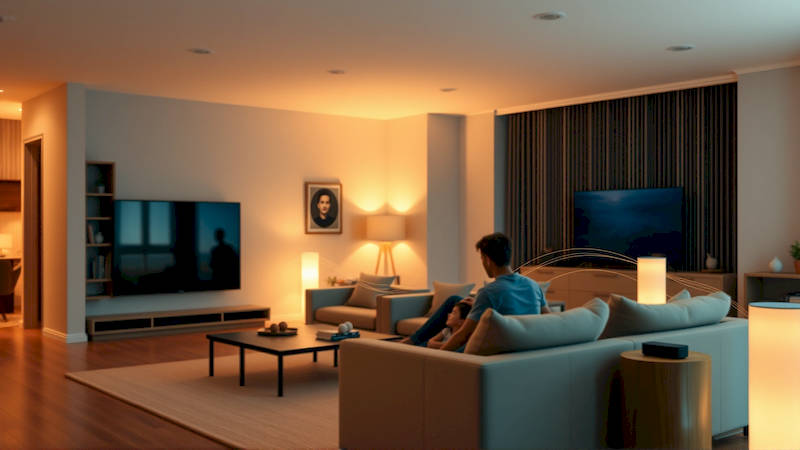
The allure of a whole-home audio system, one that responds to your voice and fills every room with sound, has long been associated with significant expense. Visions of complicated wiring, custom installations, and premium price tags often deter homeowners from pursuing this dream. However, the rise of smart speakers, affordable streaming services, and increasingly accessible DIY technology has dramatically democratized home audio. Now, creating a robust and responsive smart audio system doesn’t require a hefty budget or a professional installer. This article will guide you through the process of building a budget-friendly, DIY smart audio system, transforming your home into a sonic sanctuary without breaking the bank.
The promise of seamless audio throughout the home isn’t just about convenience; it’s about enhancing the overall living experience. From setting the mood with atmospheric music during dinner to enjoying a podcast while tackling chores, a well-integrated audio system contributes to a more relaxed, enjoyable, and connected home. This is further validated by a recent study from Statista, which reported a 14.8% growth in the global smart speaker market in 2023, demonstrating a clear consumer appetite for these technologies. This article will focus on leveraging this growth to create a custom system that meets your specific needs and budget.
This guide will delve into the components needed, the various approaches to implementation, and the software platforms powering the smart functionality. You'll discover how to select the right devices, optimize your network for smooth streaming, and even expand your system over time. Ultimately, the goal is to empower you to take control of your home audio experience, creating a personalized soundscape that perfectly complements your lifestyle.
- Choosing Your Core Smart Speaker Platform
- Building a Multi-Room Audio Network: Wired vs. Wireless
- The Role of Amplification and Speaker Selection
- Leveraging Streaming Services and Music Libraries
- Automation and Customization: Beyond Basic Playback
- Expanding Your System: Future-Proofing Your Investment
- Conclusion: Harmonizing Your Home with Smart Audio
Choosing Your Core Smart Speaker Platform
The foundation of any smart audio system is the smart speaker itself – or, more accurately, the ecosystem it represents. Amazon Alexa, Google Assistant, and Apple’s HomeKit are the dominant players, each offering a unique set of features, compatibility, and price points. Selecting the right platform is crucial as it will dictate which devices can seamlessly integrate with your system. Alexa boasts the widest compatibility with third-party devices, making it a versatile choice for those already invested in a diverse range of smart home gadgets. Google Assistant excels in voice recognition and integrates powerfully with Google’s suite of services, like YouTube Music and Google Podcasts. Apple’s HomeKit prioritizes privacy and security, and integrates flawlessly with other Apple devices, although its device compatibility remains more limited.
When making your decision, consider your existing tech landscape. If you're an avid iPhone user, HomeKit might be the most intuitive choice. Android users will likely find Google Assistant more appealing. Budget is also a factor; Amazon typically offers more frequent discounts on its Echo devices. However, don’t limit yourself to the brand’s primary smart speakers. Many manufacturers create compatible devices like smart displays, soundbars, and even more affordable smart speakers, extending the reach of your chosen platform throughout your home. One often overlooked aspect is the developer support for each platform. Alexa and Google Assistant have larger developer communities, translating to more “skills” and integrations.
It's also wise to consider the trade-offs. Alexa and Google Assistant allow for greater customization and integration with non-Apple products, but may raise privacy concerns due to data collection practices – a point frequently debated in tech circles. Apple's stricter privacy policies come at the cost of less openness and a higher price point for compatible devices.
Building a Multi-Room Audio Network: Wired vs. Wireless
Once you’ve settled on a platform, the next step is deciding how to connect your speakers. There are two primary approaches: wired and wireless. A wired connection, utilizing Ethernet cables, offers the most stable and reliable audio transmission, minimizing dropouts and latency, particularly vital for synchronized multi-room playback. However, running Ethernet cables throughout your home can be challenging and often requires professional installation, potentially negating the cost-saving benefits of a DIY system. It's also less flexible; relocating speakers requires rerouting the cables.
Wireless options, typically leveraging Wi-Fi, offer greater flexibility and ease of installation. Modern Wi-Fi standards (802.11ac and 802.11ax) provide sufficient bandwidth for high-quality audio streaming, especially with mesh Wi-Fi systems that eliminate dead spots and ensure consistent coverage. The downside is potential interference from other devices and the occasional drop-out, particularly in homes with thick walls or numerous wireless devices. Many smart speakers are equipped to “mesh” with each other, which can extend the range of your Wifi to areas that may previously have been unreachable for a strong signal.
A hybrid approach – utilizing a combination of both – is often the most practical solution. Connect key speakers (like those in your living room) via Ethernet for optimal performance, and use wireless for less critical zones (like bedrooms or the patio). This gets you the best of both worlds! Consider Powerline adapters as an alternative to running Ethernet. They use your home’s electrical wiring to transmit data, eliminating the need to drill holes.
The Role of Amplification and Speaker Selection
While smart speakers often have built-in amplification, you'll likely need to supplement this for a true whole-home audio experience. Integrating passive speakers (traditional speakers that require an external amplifier) provides greater flexibility in terms of sound quality and placement. Amplifiers come in various forms, from dedicated stereo amplifiers to multi-zone amplifiers capable of powering multiple speakers independently. For budget-conscious builds, consider using a mini amplifier, which provides sufficient power for smaller rooms and is incredibly affordable.
Speaker selection is a matter of personal preference and room size. Bookshelf speakers offer an excellent balance of price and performance, while floor-standing speakers deliver more powerful bass and a wider soundstage. Don't overlook the importance of speaker placement. Proper positioning can dramatically improve audio quality. For example, angling speakers slightly inward toward the listening area creates a more immersive experience.
Remember that smart speakers often come bundled with a simple speaker, but these are usually meant for smaller rooms. Don't be afraid to upgrade speakers, especially for the main listening area. A sensible approach is to invest in higher-quality speakers for the rooms you use most frequently and opt for more affordable options for less frequently used spaces. “According to a report by the Consumer Technology Association, 68% of consumers prioritize sound quality when purchasing speakers,” meaning investment in quality speakers pays off in listening satisfaction.
Leveraging Streaming Services and Music Libraries
The heart of your smart audio system lies in the content it plays. Fortunately, a wealth of streaming services offer affordable access to millions of songs. Spotify, Apple Music, Amazon Music, and YouTube Music are the leading contenders, each with its own subscription tiers and features. Most smart speaker platforms integrate seamlessly with these services, allowing you to control playback with voice commands.
However, don’t limit yourself to streaming. Many smart speaker platforms allow you to access your locally stored music library – whether it's stored on a NAS (Network Attached Storage) device, a computer, or an external hard drive. This gives you complete control over your music collection and eliminates the need for an internet connection. DLNA (Digital Living Network Alliance) is a common protocol that enables sharing music files across your network, and many smart speaker platforms support this standard. Remember to regularly back up your local music library to prevent data loss.
Consider the features offered by each streaming service. Spotify is renowned for its curated playlists and personalized recommendations. Apple Music boasts seamless integration with the Apple ecosystem and supports lossless audio. Amazon Music offers integration with Amazon's other services and includes high-resolution audio options.
Automation and Customization: Beyond Basic Playback
The true power of a smart audio system lies in its ability to automate tasks and customize your listening experience. Most smart speaker platforms allow you to create routines – sequences of actions triggered by voice commands or scheduled events. For example, you can create a routine that starts playing your favorite morning playlist when you say "Good morning," or turns on the music in the dining room at 6:00 PM.
IFTTT (If This Then That) is a powerful web service that allows you to connect your smart audio system to a vast array of other devices and services. You can use IFTTT to trigger music playback based on your location, the weather, or events from other apps. For example, you can set up a rule that automatically plays relaxing music when you arrive home from work.
Furthermore, explore the equalizer settings on your smart speakers or amplifier. Fine-tuning the sound to suit your preferences and the acoustics of your room can dramatically improve your listening experience. Many platforms allow for independent zone control, where the volume and playback of each speaker can be customized separately.
Expanding Your System: Future-Proofing Your Investment
The beauty of a DIY smart audio system is its scalability. You can start small with a single smart speaker and gradually expand it over time. As your needs evolve, you can add more speakers, amplifiers, and smart home devices to create a more comprehensive system.
When planning future expansions, consider investing in devices that support the latest wireless standards and audio codecs. This will ensure compatibility with future devices and prevent obsolescence. Mesh Wi-Fi systems are particularly valuable for scaling as they can seamlessly accommodate additional devices without compromising performance. Before purchasing any new devices, verify their compatibility with your chosen smart speaker platform.
Remember that budget-friendly doesn’t mean sacrificing quality. By carefully selecting components, leveraging free software and services, and embracing a DIY mindset, you can create a smart audio system that delivers exceptional performance and enhances your home living experience.
Conclusion: Harmonizing Your Home with Smart Audio
Building a budget-friendly DIY smart audio system is not only achievable but also immensely rewarding. By carefully selecting your core platform, strategically choosing between wired and wireless connections, and investing in quality speakers and amplification, you can create a sonic landscape tailored to your preferences. Leveraging streaming services, automation features, and the scalability of modern technology allows you to refine and enhance the system over time.
The key takeaways are clear: prioritize platform compatibility, balance cost with quality, and embrace the flexibility of DIY. Starting small and expanding gradually allows you to optimize spending and ensure compatibility as technology evolves. Ultimately, the goal is to create a home audio experience that’s not only smart and convenient but also immersively enjoyable. So, take the plunge, explore the possibilities, and prepare to fill your home with the sounds you love.
Deja una respuesta