
Energy Management Tips for Apartments Using Smart Meter Tech
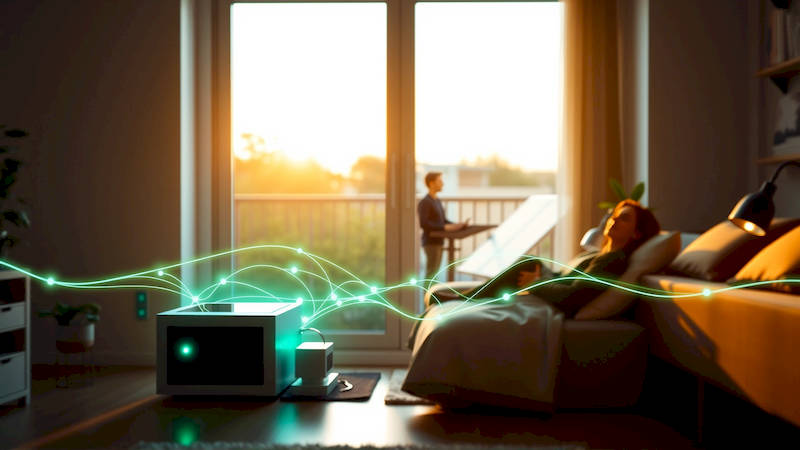
The rising cost of living, coupled with an increasing awareness of environmental impact, has made energy conservation a top priority for many. While homeowners often have more freedom to implement comprehensive energy-efficient upgrades, apartment dwellers face unique challenges. However, the advent of smart meter technology and associated energy management tools is leveling the playing field, offering renters powerful insights and control over their energy consumption. This article delves into practical energy management tips specifically tailored for apartment living, leveraging the capabilities of smart meters to help you save money, reduce your carbon footprint, and enjoy a more comfortable home. We will explore everything from understanding your energy profile to adopting appliance-specific strategies and utilizing smart home integrations, offering a pathway toward a sustainably powered apartment lifestyle.
Traditionally, apartment residents have been somewhat disconnected from their actual energy usage, relying on single monthly bills providing a retrospective snapshot. This lack of granular data made it difficult to identify energy waste and modify behavior effectively. Smart meters change this dynamic entirely, providing real-time or near real-time data on electricity consumption. Understanding how and when you use energy is the first crucial step toward a more energy-conscious lifestyle. Beyond simply reducing costs, active energy management within an apartment setting fosters a greater sense of responsibility and empowerment, contributing to community-wide sustainability efforts.
- Understanding Your Smart Meter Data: Decoding Your Usage
- Optimizing Appliance Usage: The Biggest Energy Consumers
- Leveraging Smart Plugs & Home Automation for Granular Control
- Lighting Strategies: Switching to Efficiency and Automation
- Communication with Property Management & Building-Wide Initiatives
- Addressing Potential Challenges & Counterarguments
- Conclusion: Empowering Energy Consciousness in Your Apartment
Understanding Your Smart Meter Data: Decoding Your Usage
Smart meters transmit data back to your utility company, but increasingly, they’re also providing access to that information to you. This data is usually accessible through an online portal or mobile app provided by your utility. Getting comfortable navigating this platform is paramount. Look beyond the headline consumption figures. Most portals break down usage by day, week, or even hour. Analyzing this data can reveal patterns you might not have suspected. For example, you might discover that your energy usage spikes significantly during certain hours, indicating a particular appliance or activity is responsible.
Furthermore, many platforms offer comparative data. You can see how your energy usage stacks up against similar apartments in your building or even across the city. This benchmark offers valuable perspective. Are you an anomaly – using far more or less energy than your neighbors? Understanding these comparisons can motivate further investigation and improvement. "Consumers often underestimate their standby power consumption from devices that aren’t fully turned off," says Dr. Emily Carter, a professor of sustainable energy at Princeton University. "Smart meter data really shines a light on these hidden energy drains."
Finally, look for peak demand charges flagged by your utility. Some utilities charge higher rates during peak hours (typically afternoons and evenings when overall demand is highest). Being aware of these peak periods allows you to shift energy-intensive activities to off-peak times, minimizing your bill.
Optimizing Appliance Usage: The Biggest Energy Consumers
Within an apartment, certain appliances consistently contribute the majority of energy consumption. Identifying these “energy hogs” and implementing strategic usage habits is key. Heating and cooling systems are often the biggest culprits, especially in climates with extreme temperatures. Adjusting your thermostat, even by a few degrees, can yield significant savings. Consider programming a smart thermostat (if your building allows installation) to automatically adjust temperatures based on your schedule, reducing energy waste when you’re away or asleep.
Beyond HVAC, consider the impact of appliances like refrigerators, washers, and dryers. Ensure your refrigerator door seals are airtight and that the coils are clean, as dust buildup reduces efficiency. When using a washing machine and dryer, operate full loads whenever possible. Air drying clothes, even partially, can dramatically reduce dryer usage. Remember, even seemingly minor appliances, like coffee makers and toasters, consume energy, particularly if left plugged in when not in use. Invest in power strips to easily switch off multiple devices at once and eliminate “phantom loads” – the energy consumed by electronics in standby mode. For example, a 2018 study by the National Resources Defense Council estimated that phantom loads collectively account for approximately 5% of a typical US household’s energy consumption.
Leveraging Smart Plugs & Home Automation for Granular Control
While a smart meter provides insights, smart plugs take control to the next level. These inexpensive devices plug into standard outlets and allow you to remotely control connected appliances. They can be configured on schedules, turned on/off with your smartphone, or integrated with voice assistants like Alexa or Google Assistant. This is particularly useful for devices that are difficult to physically switch off, or for automating simple energy-saving tasks. Imagine automatically turning off your living room lamp and TV at bedtime, or ensuring your space heater shuts off after a specific duration.
Integrating smart plugs with a broader smart home ecosystem unlocks even more potential. Many smart home platforms offer energy monitoring features that provide more detailed insights into individual appliance usage than your smart meter portal might offer. Some will even suggest energy-saving automation routines based on your usage patterns. Moreover, sensors like motion detectors can be used to automatically turn off lights in unoccupied rooms, further reducing energy waste. However, be mindful of potential compatibility issues – ensure your smart devices work seamlessly together before making significant investments.
Lighting Strategies: Switching to Efficiency and Automation
Lighting is often a significant, yet easily addressed, source of energy consumption in apartments. The most impactful change you can make is switching to LED bulbs. LEDs consume up to 75% less energy and last significantly longer than traditional incandescent bulbs. While the upfront cost of LEDs is higher, the long-term savings far outweigh the initial expense. Beyond bulb type, consider maximizing natural light whenever possible. Keeping curtains and blinds open during daylight hours reduces the need for artificial lighting.
Smart lighting systems offer another layer of efficiency and control. Smart bulbs can be dimmed remotely, scheduled to turn on/off, and even change color temperature to suit your mood. Integrate them with motion sensors for automated lighting in hallways or bathrooms. Furthermore, many smart lighting systems offer features like geofencing, which automatically turns lights on when you approach your apartment and off when you leave. For renters, consider investing in portable smart lighting solutions that don't require any modifications to existing fixtures.
Communication with Property Management & Building-Wide Initiatives
Individual efforts are important, but maximizing energy savings in an apartment building often requires collaboration with property management. Advocate for building-wide energy efficiency upgrades, such as improved insulation, energy-efficient windows, and common area lighting retrofits. Inquire about the building’s energy management policies and identify opportunities for improvement.
Many property management companies are now implementing building-wide smart metering systems, providing residents with more detailed energy usage data and encouraging conservation. Be proactive in asking about these programs and taking advantage of any available resources. Furthermore, suggest exploring bulk purchasing programs for energy-efficient appliances or smart home devices – these initiatives can often secure discounts for all residents. Open communication and a collaborative approach between tenants and management can lead to significant energy savings and a more sustainable living environment for everyone.
Addressing Potential Challenges & Counterarguments
While smart meter tech offers numerous benefits, some concerns are valid. Data privacy is a common concern, with some residents worried about their energy usage data being tracked and potentially misused. It's important to understand your utility's data privacy policies and ensure your data is protected. Another argument revolves around the initial cost of smart home devices. While prices are decreasing, the upfront investment can still be a barrier for some renters. Start small, prioritizing the most impactful devices (like smart thermostats or smart plugs) and gradually expand your system over time.
Finally, some older apartment buildings may have electrical systems that aren't fully compatible with smart home devices. In these cases, consult with an electrician or your property manager to determine the safest and most effective solutions.
Conclusion: Empowering Energy Consciousness in Your Apartment
Smart meter technology is revolutionizing how apartment dwellers interact with their energy consumption. By understanding your energy profile, optimizing appliance usage, and leveraging smart home integrations, you can significantly reduce your energy bills and contribute to a more sustainable future. The key takeaway is that even small changes can collectively make a big difference. Prioritize those changes based on your usage data, and don’t be afraid to advocate for building-wide improvements.
Actionable next steps include reviewing your utility’s smart meter data portal, switching to LED bulbs, investing in a smart thermostat or a few smart plugs, and initiating a conversation with your property manager about energy efficiency initiatives. Embrace the power of information and control – a smarter apartment is not only a more comfortable place to live but also a more responsible one. The transition to smart apartment living isn’t just about saving money; it’s about embracing a proactive and sustainable lifestyle that benefits both you and the planet.
Deja una respuesta