
Best Smart Lighting Solutions for Aging Eyes and Mobility
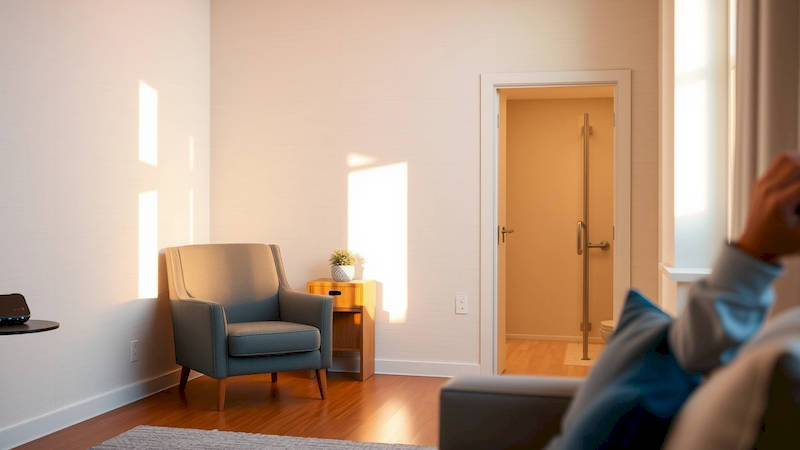
As we age, even seemingly simple tasks can become challenging. Declining vision and reduced mobility are common concerns, and these can significantly impact independence and quality of life. One often-overlooked aspect of home safety and accessibility is lighting. Traditional lighting setups often fall short in addressing the specific needs of seniors, leading to trips, falls, and a general feeling of insecurity. However, the advent of smart lighting offers a transformative solution. Smart lighting systems aren’t just about convenience; they're about creating a safer, more comfortable, and more empowering environment for aging individuals. This article will delve into the best smart lighting solutions available, exploring how they address the unique challenges faced by seniors and how to implement them effectively.
The statistics paint a stark picture: falls are the leading cause of injury and death from injury among older Americans, as reported by the CDC. Poor lighting is a significant contributing factor to these incidents. Beyond safety, inadequate lighting can exacerbate age-related vision changes like cataracts and macular degeneration, increasing eye strain and making daily activities more difficult. Smart lighting, with its customizable features and hands-free control, represents a proactive approach to mitigating these risks and fostering a greater sense of well-being. It's about enabling aging in place with dignity and security.
- Understanding the Visual and Mobility Challenges of Aging
- Key Features to Look for in Smart Lighting for Seniors
- Implementing Motion-Activated Lighting for Safety and Security
- Leveraging Voice Control and Smart Assistants
- Choosing the Right Smart Bulbs and Fixtures
- Beyond Lighting: Integrating Smart Systems for Comprehensive Care
- Conclusion: Illuminating a Brighter Future for Seniors
Understanding the Visual and Mobility Challenges of Aging
Age-related vision changes are nearly universal. As we get older, pupils become smaller, reducing the amount of light reaching the retina. This impacts night vision and depth perception, making it harder to navigate dimly lit spaces. Additionally, the lens of the eye yellows with age, distorting color perception, particularly blues and purples. This means seniors may struggle to distinguish contrast, a critical element for detecting obstacles and hazards. Concurrently, mobility often decreases due to conditions like arthritis, osteoporosis, or simply a general loss of strength and balance. These combined factors significantly increase the risk of falls and injuries.
Beyond the physical limitations, cognitive decline can also play a role. Seniors with dementia or Alzheimer’s may forget to turn on lights, experience confusion in dimly lit environments, or have difficulty operating traditional light switches. Therefore, solutions aren't simply about providing more light, but about providing appropriate light, delivered in a way that's easily accessible and understandable. The best approach involves considering the interplay between visual, mobility, and cognitive factors when selecting and configuring a smart lighting system.
Key Features to Look for in Smart Lighting for Seniors
When choosing smart lighting for aging individuals, certain features are paramount. Prioritize systems offering adjustable brightness and color temperature. The ability to dim lights can reduce glare and eye strain, while warmer color temperatures (lower Kelvin values) are generally easier on aging eyes. Automated scheduling is also critical; setting lights to turn on and off at specific times eliminates the need for manual operation and ensures consistent illumination throughout the day. Motion sensors, perhaps the most valuable feature, provide hands-free operation. Lights activate automatically when movement is detected, illuminating pathways and minimizing the risk of falls.
Voice control compatibility, through integrations with devices like Amazon Alexa or Google Assistant, is another crucial aspect. Seniors can simply ask to turn lights on or off – a particularly helpful feature for those with limited dexterity or mobility. Look for systems that offer geofencing capabilities, which automatically turn lights on as the senior approaches their home, increasing security and providing an immediate sense of welcome. Finally, remote access is valuable for caregivers who can monitor and adjust lighting remotely, offering peace of mind and enabling proactive support.
Implementing Motion-Activated Lighting for Safety and Security
Motion-activated lighting is arguably the most impactful smart lighting solution for seniors, directly addressing fall prevention and enhancing security. Strategic placement is key. Install motion sensors in hallways, stairwells, bathrooms, and near doorways – areas where falls are most likely to occur. Consider sensors with adjustable sensitivity levels to avoid false alarms triggered by pets or drafts. For outdoor lighting, motion sensors can illuminate walkways, driveways, and entrances, deterring potential intruders and ensuring safe navigation at night.
When installing, avoid aiming sensors directly at windows or reflective surfaces, as sunlight can trigger false activations. A particularly effective strategy is to combine motion sensors with ambient light sensors. This ensures lights only activate when movement is detected and the room is sufficiently dark, conserving energy and minimizing unnecessary light pollution. Take the case of Mrs. Evelyn Hayes, an 82-year-old who lived alone. Her daughter installed motion-activated lights in the hallway and bathroom. "It made a huge difference," her daughter reported. "Before, she was hesitant to get up at night, worried about falling. Now, the lights come on automatically, and she feels much safer and more confident."
Leveraging Voice Control and Smart Assistants
The simplicity of voice control makes smart assistants like Amazon Alexa or Google Assistant invaluable for seniors. These systems allow hands-free operation of lights, blinds, and other smart home devices. Seniors can simply say, “Alexa, turn on the kitchen lights,” or “Hey Google, dim the living room lights,” eliminating the need to fumble for switches or remotes. The ease of use is particularly beneficial for individuals with arthritis or limited dexterity.
Furthermore, smart assistants can be integrated with routines. For example, a “Good Morning” routine could automatically turn on lights, raise the thermostat, and play the news. Similarly, a “Good Night” routine could turn off all lights, lock the doors, and set the alarm. This automation simplifies daily tasks and ensures a consistent and comfortable environment. However, it’s essential to provide thorough training and support to help seniors become comfortable with voice commands. Start with simple commands and gradually introduce more complex routines. Privacy concerns should also be addressed openly and honestly.
Choosing the Right Smart Bulbs and Fixtures
While the underlying technology is important, the actual light emitted by the bulbs and fixtures significantly impacts usability and comfort. For aging eyes, LED bulbs are the clear choice due to their energy efficiency, long lifespan, and ability to deliver bright, consistent light without generating excessive heat. Opt for bulbs with a Color Rendering Index (CRI) of 90 or higher, as this indicates a more accurate representation of colors, making it easier to distinguish objects.
Focus on fixtures that provide diffused, glare-free light. Avoid harsh, direct illumination that can cause eye strain. Wall sconces, recessed lighting with diffusers, and lamps with light shades can all help create a more comfortable and inviting ambiance. Consider the placement of fixtures strategically. For example, place a bedside lamp within easy reach, and use under-cabinet lighting in the kitchen to illuminate countertops. Brighter bulbs aren't always better; adjust brightness levels to suit individual needs and preferences. Many smart bulb systems allow for granular control over brightness, ranging from a soft glow to full illumination.
Beyond Lighting: Integrating Smart Systems for Comprehensive Care
Smart lighting isn't an isolated solution; it's most effective when integrated with other smart home technologies to create a comprehensive care ecosystem. Integrating smart lighting with a smart security system can provide added peace of mind. Remote monitoring of lighting activity can alert caregivers to unusual patterns, potentially indicating a fall or other emergency. Smart sensors can also detect falls and automatically summon help.
Combining smart lighting with a smart thermostat allows for automated climate control, ensuring a comfortable and consistent temperature, which is particularly important for seniors with health conditions. Furthermore, integrating with medication reminders and appointment scheduling apps via a smart assistant can help seniors stay on track with their healthcare routines. The goal is to create a seamless and supportive environment that promotes independence, safety, and overall well-being.
Conclusion: Illuminating a Brighter Future for Seniors
Smart lighting offers a powerful suite of tools to address the unique challenges faced by aging individuals, from diminished vision and reduced mobility to potential cognitive decline. By prioritizing adjustable brightness, motion sensors, voice control, and strategic placement, we can create home environments that are safer, more comfortable, and more empowering. Implementing these solutions isn't just about technology; it's about enabling aging in place with dignity and independence.
The key takeaways are clear: assess individual needs, select the right features, and prioritize ease of use. Start small, perhaps by installing a few motion-activated lights in key areas, and gradually expand the system as needed. Most importantly, involve the senior in the decision-making process and provide ongoing support and training. By embracing the power of smart lighting, we can illuminate a brighter future for our aging loved ones, fostering a greater sense of security, confidence, and overall quality of life.
Deja una respuesta