
Designing Smart Home Automation for Seniors with Limited Mobility
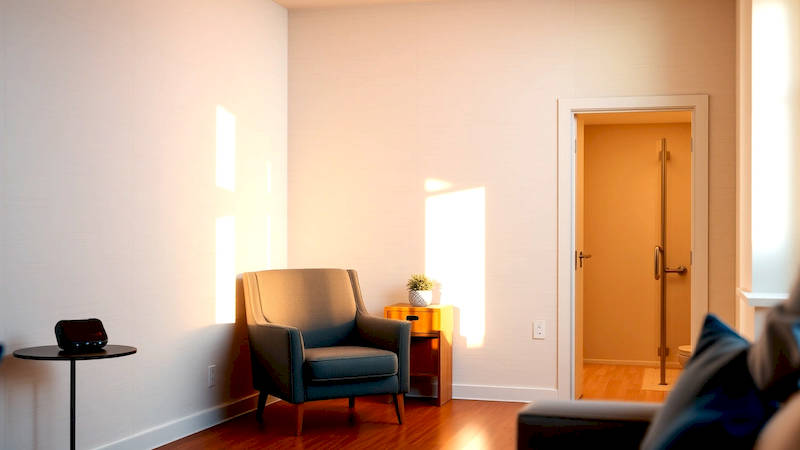
The aging population is growing rapidly, and with it comes an increased focus on maintaining independence and quality of life for seniors. A significant factor impacting this is mobility – or rather, the loss of it. Limited mobility can make everyday tasks challenging and isolating, increasing the risk of falls, accidents, and a decline in overall well-being. Fortunately, the rise of smart home technology offers powerful solutions, going beyond simple convenience to provide genuine support for seniors wishing to remain in their homes longer and live more comfortably. This isn't simply about automated lights and thermostats; it’s about creating a responsive, assistive environment that anticipates needs and proactively enhances safety and independence.
The beauty of smart home automation for seniors lies in its adaptability. A one-size-fits-all approach will inevitably fall short; solutions must be tailored to the individual’s specific needs, cognitive abilities, and level of tech savviness. Furthermore, it’s crucial to move beyond simply installing the technology to actively integrating it into the senior’s daily routine and providing ongoing support. This article will explore key areas for implementing smart home automation for seniors with limited mobility, focusing on practical considerations, technological options, and best practices for successful implementation. We’ll delve into how to create a system that isn’t just ‘smart,’ but genuinely helpful and empowering.
- Assessing Needs and Prioritizing Automation Areas
- Smart Lighting and Voice Control: The Foundation of Accessibility
- Remote Monitoring and Fall Detection Systems
- Smart Appliances and Kitchen Safety
- Automated Door Locks and Security Systems
- Conclusion: Empowering Independence Through Thoughtful Automation
Assessing Needs and Prioritizing Automation Areas
Before investing in any smart home technology, a thorough assessment of the senior’s needs is paramount. This assessment should involve close family members, caregivers, and ideally, an occupational therapist familiar with assistive technology. Consider the specific limitations presented by the senior’s mobility challenges. Are they unable to reach switches, prone to falls, forgetful about medication, or struggle with basic home maintenance tasks? Documenting these challenges will form the basis for prioritizing automation areas.
This process isn’t solely about physical limitations. Cognitive abilities and existing routines also play a vital role. A senior with mild cognitive impairment might benefit from automated reminders and simplified interfaces, while someone comfortable with technology might embrace more advanced features. Crucially, avoid overwhelming the senior with too much technology at once. Start small, with a few key areas addressed, and gradually expand the system as they become comfortable. An overcomplicated system defeats the purpose and can create frustration rather than provide assistance.
Consider focusing initially on areas that address safety concerns. Fall detection systems, smart lighting to reduce trip hazards, and automated door locks for security are excellent starting points. Following this, focus on enhancing independence by automating tasks that have become difficult, like controlling the thermostat, adjusting window coverings, or operating appliances. Ultimately, the goal is to empower the senior to maintain control over their environment and live as independently as possible.
Smart Lighting and Voice Control: The Foundation of Accessibility
Smart lighting provides a surprisingly impactful and cost-effective way to improve safety and convenience for seniors with limited mobility. Replacing traditional light switches with smart bulbs or switches eliminates the need to physically manipulate them, a significant benefit for individuals with arthritis or difficulty reaching. More advanced systems allow for voice control, enabling the senior to simply say, “Turn on the living room light” or “Dim the bedroom lights.”
Beyond simple on/off functionality, smart lighting can be programmed to create routines that enhance safety. For example, lights can be programmed to automatically illuminate pathways at night, reducing the risk of falls. They can also be linked to motion sensors, turning on when someone enters a room and off when it’s vacant. This isn’t only about safety; it also conserves energy and provides a sense of security. Furthermore, consider utilizing color-changing bulbs to signal reminders – a gentle blue glow for medication time, or a calming amber hue for bedtime.
Voice control, often integrated with virtual assistants like Amazon Alexa or Google Assistant, forms the cornerstone of many smart home accessibility setups. It allows seniors to control not just lighting, but a wide range of devices simply using their voice. However, it’s vital to ensure the voice assistant is properly configured and understands the senior's speech patterns. Training the assistant and simplifying voice commands can significantly improve usability. Consider factors like room acoustics and background noise that might interfere with voice recognition.
Remote Monitoring and Fall Detection Systems
One of the biggest concerns for families with aging loved ones is safety, particularly the risk of falls. Remote monitoring systems and fall detection technology can provide peace of mind and, crucially, enable a rapid response in the event of an emergency. These systems range from simple wearable pendants with emergency call buttons to more sophisticated sensor-based systems that automatically detect falls.
Wearable fall detectors are relatively inexpensive and easy to use, but rely on the senior remembering to wear the device and being able to activate it. Sensor-based systems, on the other hand, utilize cameras or motion sensors to monitor for unusual movements or prolonged inactivity. Advanced algorithms can distinguish between a normal fall and simply sitting down, minimizing false alarms. However, privacy concerns are legitimate and must be addressed transparently with the senior. Explaining how the data is used and ensuring the system is secure is crucial for gaining their trust and acceptance.
Remote monitoring also extends beyond fall detection. Smart sensors can track activity levels, alerting caregivers to sudden changes in behavior that might indicate a health problem. They can also monitor door and window sensors, providing insights into whether the senior is leaving the house, and potentially alerting caregivers if they don’t return at a scheduled time. These systems empower families to proactively address potential issues and provide support when it’s needed most, facilitating independent living while ensuring safety.
Smart Appliances and Kitchen Safety
Limited mobility can make routine kitchen tasks challenging and even dangerous. Smart appliances offer solutions that can significantly improve safety and convenience. Smart ovens with auto-shutoff features can prevent fires if left unattended, while smart stovetops can automatically turn off if a pot boils over. These features are particularly valuable for seniors who may experience forgetfulness or have difficulty managing chronic conditions.
Beyond safety, smart appliances can simplify meal preparation. Smart refrigerators can track expiration dates, sending alerts when food is about to expire, reducing food waste and preventing accidental consumption of spoiled items. Smart coffee makers and slow cookers can be programmed remotely, allowing the senior to start preparing meals without having to physically operate the appliance. This level of automation can free up energy and reduce the physical strain associated with cooking.
Kitchen safety also extends to environmental controls. Smart lighting, as previously discussed, is crucial for illuminating workspaces. Consider incorporating smart leak detectors under the sink to prevent water damage from undetected leaks. And, for seniors with limited hand strength, smart can openers and jar openers can make opening food containers much easier. The goal is to create a kitchen environment that is both safe and empowering, allowing the senior to continue enjoying cooking and maintaining a healthy diet.
Automated Door Locks and Security Systems
Maintaining a sense of security is paramount for seniors, especially those living alone. Smart door locks provide a convenient and secure way to control access to the home, eliminating the need for fumbling with keys. Remote access allows caregivers to unlock the door for deliveries or emergency services, while activity logs provide a record of who has entered and exited the property.
Integrating smart door locks with a comprehensive security system further enhances safety. Smart cameras, both indoor and outdoor, provide real-time monitoring of the property, allowing caregivers to check in on the senior and ensure their well-being. Motion sensors can trigger alerts if unexpected activity is detected, while window and door sensors can detect unauthorized entry. However, it’s essential to prioritize privacy and ensure the system is configured appropriately, respecting the senior’s autonomy and dignity.
A well-designed security system isn’t just about preventing break-ins; it's also about providing a sense of peace of mind. Knowing that help is readily available in an emergency can significantly reduce anxiety and allow the senior to live more confidently and independently. Consider integrating the security system with a professional monitoring service for an added layer of security and rapid response in the event of an alarm.
Conclusion: Empowering Independence Through Thoughtful Automation
Designing smart home automation for seniors with limited mobility requires a thoughtful and individualized approach. It’s not about simply installing the latest technology; it's about creating a responsive, assistive environment that empowers seniors to maintain their independence, safety, and quality of life. This starts with a comprehensive needs assessment, prioritizing areas for automation based on specific challenges and cognitive abilities.
Key takeaways include the foundational role of smart lighting and voice control, the crucial peace of mind provided by remote monitoring and fall detection systems, the safety enhancements offered by smart appliances and kitchen safety features, and the security benefits of automated door locks and comprehensive security systems. The most successful implementations will be those that prioritize usability, privacy, and ongoing support, ensuring the technology seamlessly integrates into the senior’s daily routine and genuinely enhances their well-being. Finally, remember that the goal isn’t to replace human connection or caregiving, but to augment it, providing a safety net and empowering seniors to live fulfilling lives in the comfort of their own homes for as long as possible. Start small, prioritize, and focus on solutions that truly make a difference – that’s the key to unlocking the full potential of smart home technology for this vulnerable population.
Deja una respuesta