
Smart Home Solutions for Memory Care and Cognitive Support
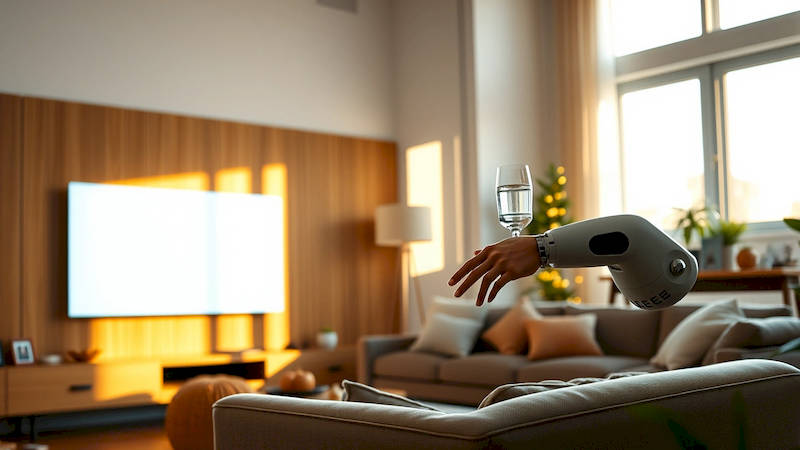
The aging population is growing rapidly, and with it, the prevalence of memory loss and cognitive decline. Conditions like Alzheimer's disease and dementia affect millions globally, presenting significant challenges for individuals and their families. While there's currently no cure for these conditions, advancements in smart home technology offer promising avenues for enhancing safety, independence, and quality of life for those experiencing cognitive impairment. Beyond simply automating tasks, these solutions can actively support cognitive function, reduce anxiety, and provide crucial peace of mind for caregivers. This article will delve into the landscape of smart home technologies specifically designed – or adaptable for – memory care and cognitive support, exploring their benefits, practical implementations, and considerations for successful integration.
The traditional approach to memory care often involves a move to assisted living facilities, which can be disruptive and emotionally challenging. Smart home technology offers a compelling alternative: enabling individuals to remain in the comfort and familiarity of their own homes for longer, maintaining a sense of autonomy and preserving dignity. Furthermore, the continuous monitoring and proactive assistance provided by these technologies can significantly alleviate the burden on family caregivers, often juggling their own personal and professional commitments alongside caregiving responsibilities. This isn't about replacing human interaction but augmenting it with tools that enhance safety and well-being.
This article focuses on how smart homes are being adapted to support those with age-related cognitive decline. We’ll cover crucial areas, from fall detection and medication management to environmental control and cognitive stimulation, providing a detailed guide for families and individuals looking to leverage technology for improved memory care. Understanding these options and implementing them thoughtfully is a crucial step in navigating the challenges of cognitive decline proactively and compassionately.
- Enhancing Safety and Preventing Accidents
- Medication Management: Ensuring Timely and Accurate Dosage
- Creating a Stimulating and Supportive Environment
- Remote Monitoring and Caregiver Support
- Addressing Privacy and Security Concerns
- Future Trends and Emerging Technologies
- Conclusion: Building a Smarter, More Supportive Future
Enhancing Safety and Preventing Accidents
One of the most significant concerns for individuals with memory impairment – and their caregivers – is the risk of accidents within the home. Things we take for granted, like leaving the stove on or wandering outside unattended, can become dangerously problematic. Smart home technology provides a multifaceted approach to mitigating these risks, creating a safer living environment. Smart sensors, strategically placed throughout the home, can detect unusual activity patterns, triggering alerts to caregivers or emergency services.
For instance, smart stove shut-off devices automatically turn off the stove after a pre-determined period of inactivity, preventing unattended cooking hazards. Similarly, cabinet and door sensors can be used to restrict access to potentially dangerous areas, like the garage or utility room. Fall detection systems, utilizing wearable sensors or strategically placed cameras with AI-powered fall analysis, can automatically alert caregivers in the event of a fall, potentially minimizing the severity of injuries. These systems are particularly crucial, as falls are a leading cause of injuries and hospitalization for seniors.
Beyond these specific devices, comprehensive smart home security systems with door and window sensors can prevent wandering. Geo-fencing capabilities create virtual boundaries; if the individual leaves the designated area, caregivers receive an immediate notification. Combined, these technologies create a layered safety net, providing a substantial reduction in risk and peace of mind for everyone involved.
Medication Management: Ensuring Timely and Accurate Dosage
Medication adherence is a critical, yet often challenging, aspect of managing cognitive decline. Forgetfulness, confusion, and difficulty with routine can lead to missed doses, incorrect dosages, or even double-dosing, all with potentially serious health consequences. Smart medication dispensers represent a powerful solution, automating the dispensing process and ensuring that medications are taken at the correct time and in the correct amount.
These dispensers can be programmed to release medications at pre-scheduled intervals, issuing audible and visual reminders to the individual. Advanced models even provide caregiver access to real-time data on medication adherence, allowing them to remotely monitor whether doses have been taken as prescribed. Several smart pill dispensers integrate directly with smartphone apps, sending notifications to both the user and their designated caregivers. Furthermore, some dispensers feature lockable compartments to prevent accidental or intentional overconsumption.
It’s worth noting that choosing the right medication dispenser is crucial. Features like ease of programming, refill reminders, and compatibility with multiple medication types are essential considerations. Integration with pharmacy services, allowing for automatic refills, can further simplify the process and ensure a consistent supply of medications.
Creating a Stimulating and Supportive Environment
Cognitive decline isn’t just about memory loss; it’s also about a potential decline in engagement and overall well-being. A stimulating and supportive home environment can play a vital role in preserving cognitive function and improving quality of life. Smart home technology can personalize the environment to meet the individual’s needs and preferences, promoting engagement and reducing feelings of isolation.
Smart lighting systems, for example, can be programmed to mimic natural light patterns, helping to regulate circadian rhythms, which are often disrupted in individuals with dementia. Voice-activated assistants, like Amazon Echo or Google Home, can provide reminders for appointments, encourage engagement in cognitive exercises, or simply play familiar music. These assistants can also facilitate communication with family and friends, reducing social isolation. Furthermore, digital photo frames that continuously cycle through cherished memories can serve as powerful cues for reminiscence therapy, sparking conversation and positive emotions.
Beyond entertainment, incorporating smart displays with pre-loaded cognitive games and activities can promote mental stimulation and help preserve cognitive skills. The goal is to create an environment that is both safe and engaging, encouraging active participation and a sense of purpose.
Remote Monitoring and Caregiver Support
Caregiving for someone with memory loss is demanding, often requiring around-the-clock attention. Smart home technology offers invaluable support to caregivers, enabling them to remotely monitor their loved one’s well-being and respond proactively to potential issues. This support doesn't diminish the importance of direct, in-person care, but supplements it with a layer of constant awareness and assistance.
Smart cameras, strategically positioned throughout the home, allow caregivers to remotely check in on their loved one, assess their condition, and provide reassurance. Sensors monitoring sleep patterns can identify potential sleep disturbances, which can exacerbate cognitive decline. Additionally, activity sensors can track movement patterns, alerting caregivers to any significant changes in routine, which might indicate illness or distress. These systems generate quantifiable data, enabling caregivers to identify emerging patterns and intervene before situations escalate.
Many smart home platforms offer caregiver portals or mobile apps, providing a centralized dashboard for monitoring all connected devices and receiving alerts. This centralized control streamlines care management, reduces stress for caregivers, and allows them to provide more effective support, even when they are not physically present. “The ability to check in remotely provides a huge sense of relief”, says Dr. Eleanor Ramirez, a geriatric care specialist. “It doesn't replace being there, but the peace of mind it offers is significant.”
Addressing Privacy and Security Concerns
While the benefits of smart home technology for memory care are significant, it's crucial to address the legitimate privacy and security concerns associated with these systems. The installation of cameras and sensors raises questions about surveillance and data protection. Transparency is paramount – individuals and their caregivers must be fully informed about the data that is being collected, how it is being used, and who has access to it.
It’s essential to choose smart home devices from reputable manufacturers with robust security protocols, including encryption and password protection. Regularly updating device firmware and software is critical to patch security vulnerabilities. Caregivers should also be mindful of where cameras are placed, avoiding areas where privacy is particularly sensitive, such as bedrooms or bathrooms.
Discussing privacy concerns with the individual with memory impairment (to the extent they are capable of understanding) and involving them in the decision-making process can help build trust and ensure their comfort level. Establishing clear boundaries and guidelines for data access—for instance, restricting access to only authorized caregivers and healthcare professionals—is also important.
Future Trends and Emerging Technologies
The field of smart home technology is rapidly evolving, with new innovations constantly emerging. Artificial intelligence (AI) and machine learning are playing an increasingly prominent role, enabling smart home systems to become more proactive and personalized. Expect to see more sophisticated fall detection systems that can distinguish between minor stumbles and genuine falls, reducing false alarms.
Wearable technology, such as smartwatches and pendants, will become more integrated with smart home systems, providing real-time health data and enabling remote monitoring of vital signs. Developments in natural language processing will improve the accuracy and responsiveness of voice-activated assistants, making them even more user-friendly for individuals with cognitive impairment.
Furthermore, the integration of virtual reality (VR) and augmented reality (AR) technologies holds promise for creating immersive and stimulating experiences for individuals with dementia. VR experiences can transport individuals to familiar places or allow them to revisit cherished memories, while AR applications can provide cognitive training exercises and personalized reminders.
Conclusion: Building a Smarter, More Supportive Future
Smart home technology is rapidly transforming the landscape of memory care, offering innovative solutions to enhance safety, independence, and quality of life. From proactive accident prevention and automated medication management to personalized environmental control and remote caregiver support, these technologies empower individuals with cognitive impairment to remain in their homes for longer, maintaining their dignity and autonomy.
However, successful implementation requires careful planning, thoughtful consideration of privacy concerns, and a commitment to ongoing education and support. Key takeaways include prioritizing safety first with fall prevention and emergency alert systems. Emphasize medication adherence with automated dispensers and caregiver access to data. Personalize the environment for stimulation with smart lighting, voice assistants, and memory-prompting technologies. Finally, address security and privacy concerns upfront through careful device selection and transparent communication. The potential of smart home technology to improve the lives of individuals with memory loss and their caregivers is immense—a future where homes aren't just places to live, but actively contribute to maintaining cognitive function and fostering well-being.
Deja una respuesta