
Best Flooring Options for Moisture-Prone Basements
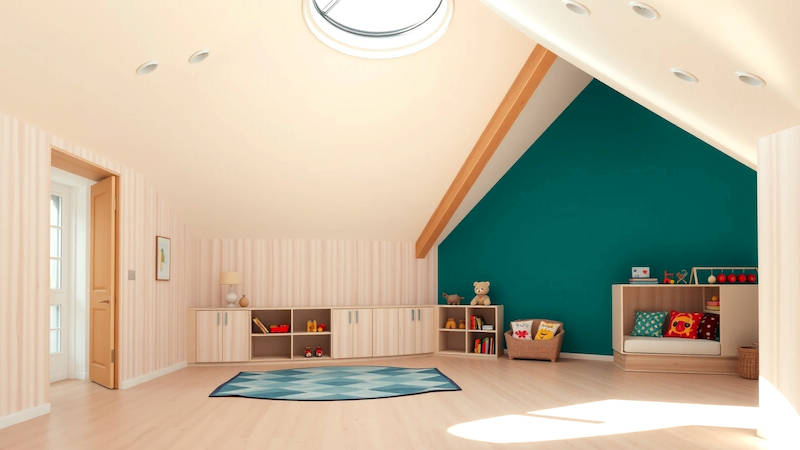
Basements, often relegated to storage or unfinished spaces, are increasingly being transformed into valuable living areas – home theaters, playrooms, guest suites, and even home offices. However, this transformation comes with a unique set of challenges. Unlike floors on a main level, basement floors are notorious for moisture issues. Groundwater seepage, condensation, and even humidity can wreak havoc on unsuitable flooring materials, leading to mold, mildew, structural damage, and ultimately, costly repairs. Choosing the right flooring is paramount to successfully finishing a basement and protecting your investment. This article delves into the best flooring options for moisture-prone basements, detailing their pros, cons, installation considerations, and long-term maintenance to help you make an informed decision.
Ignoring basement moisture issues before flooring installation is a common mistake that homeowners make. Simply covering a damp floor with attractive materials won't solve the problem; it will exacerbate it. Addressing the source of moisture – whether it’s improving exterior drainage, sealing cracks in the foundation, or installing a dehumidifier – is crucial. Furthermore, understanding the specific moisture levels in your basement is key. A simple moisture meter, readily available at most hardware stores, can provide valuable insights and guide your flooring selection. Selecting a flooring that’s inherently waterproof or water-resistant, combined with appropriate subfloor preparation, will ensure a beautiful and durable basement finish for years to come.
- Understanding Basement Moisture and Its Impact on Flooring
- Epoxy Flooring: A Durable and Waterproof Solution
- Luxury Vinyl Plank (LVP) and Tile (LVT): Versatility with Water Resistance
- Engineered Wood Flooring: A Cautious Option with Proper Precautions
- Ceramic and Porcelain Tile: Classic and Extremely Durable
- Concrete Flooring: Polished and Protected
- Conclusion: Securing a Dry and Beautiful Basement Finish
Understanding Basement Moisture and Its Impact on Flooring
Basement moisture manifests in various forms, each demanding a different approach to flooring. Capillary action, where water rises through concrete pores, is a slow but persistent issue. Hydrostatic pressure, caused by water accumulating around the foundation, can lead to more dramatic problems like leaks and flooding. Condensation, stemming from warm, humid air contacting cool concrete surfaces, is especially common during temperature shifts. These conditions create a hostile environment for many common flooring types. Wood, for example, is highly susceptible to water damage – warping, rot, and mold growth are almost guaranteed in consistently damp environments. Similarly, materials backed with organic adhesives can also deteriorate.
Proper moisture mitigation is not a one-time fix, but rather an ongoing process. Before laying any flooring, it’s important to test the concrete’s moisture emission rate (MER), ideally using a calcium chloride test. An acceptable MER varies depending on the flooring manufacturer’s recommendations, but generally, anything above 5 lbs/1000 sq. ft./24 hours is considered too high. Several methods can be employed to lower MER, including applying a waterproof membrane, using a vapor barrier, or installing a dimpled membrane subfloor system to create an air gap. Expert opinion consistently emphasizes preventative measures; as flooring specialist, Mark Johnston of Basement Solutions states, “Spending a little extra upfront on moisture control can save you thousands in flooring replacement costs down the road.”
Epoxy Flooring: A Durable and Waterproof Solution
Epoxy flooring is a popular choice for basements due to its exceptional durability and complete waterproof nature. It’s a resinous flooring system that’s poured and cured onto the concrete subfloor, creating a seamless, monolithic surface. This eliminates grout lines, which are notorious for trapping moisture and harboring mold. Epoxy comes in a wide range of colors and can even be customized with decorative flakes or metallic pigments to resemble other materials like stone or marble. Professionals typically install epoxy, but DIY kits are available for smaller areas, although the surface preparation is critical for a successful outcome.
The application process involves thoroughly cleaning and preparing the concrete, often requiring grinding to create a profile that allows the epoxy to adhere properly. Multiple coats are applied, typically a primer coat, followed by a base coat, and then a clear top coat for protection and shine. While epoxy is highly resistant to moisture, it can become slippery when wet. Adding an anti-slip additive to the top coat is highly recommended, particularly in areas prone to spills or where children are present. Furthermore, epoxy can be susceptible to scratching and chipping over time, though its resilience is significantly higher than many other flooring options.
Luxury Vinyl Plank (LVP) and Tile (LVT): Versatility with Water Resistance
Luxury Vinyl Plank (LVP) and Luxury Vinyl Tile (LVT) have surged in popularity as basement flooring solutions due to their excellent water resistance, affordability, and ease of installation. Unlike older vinyl flooring, LVP and LVT boast realistic visuals, mimicking the look of hardwood, stone, or tile with greater accuracy. They’re also relatively soft underfoot compared to concrete or epoxy, and many products come with integrated underlayments for added comfort and sound dampening. The “luxury” aspect refers to the thicker wear layer, providing increased durability and resistance to scratches and dents.
While LVP and LVT are water resistant rather than completely waterproof, many high-quality products are constructed with a 100% waterproof core. Look for products specifically designed for basements and that feature a click-lock installation system, making DIY installation much more accessible. However, remember that even waterproof LVP/LVT needs a properly prepared subfloor. A vapor barrier is still recommended, and any existing moisture issues must be addressed beforehand. The key difference between LVP and LVT lies primarily in the appearance – LVP mimics planks of wood, while LVT replicates tiles.
Engineered Wood Flooring: A Cautious Option with Proper Precautions
Engineered wood flooring presents a more traditional aesthetic than vinyl or epoxy, but its suitability for basements is contingent upon strict moisture control. Unlike solid hardwood, engineered wood consists of a thin veneer of real wood bonded to a multi-layered core of plywood or high-density fiberboard (HDF). This construction makes it less prone to expansion and contraction due to moisture fluctuations. However, even with its improved stability, engineered wood is still susceptible to water damage if exposed to standing water or high humidity for extended periods.
Successful installation of engineered wood in a basement requires a robust moisture management system. A vapor barrier must be installed over the concrete subfloor, and the flooring needs to be acclimated to the basement's humidity levels for several days before installation. Floating installations, where the planks are not directly glued to the subfloor, are preferable, allowing for some expansion and contraction. Choosing a product with a marine-grade core offers enhanced water resistance, but it’s still crucial to address any existing moisture issues and maintain consistent humidity control with a dehumidifier.
Ceramic and Porcelain Tile: Classic and Extremely Durable
Ceramic and porcelain tile remain a classically reliable choice for basement flooring, offering exceptional durability and complete waterproofness. Porcelain tile, in particular, is denser and less porous than ceramic tile, making it even more resistant to water absorption. Tile is available in a vast array of colors, patterns, and sizes, allowing for endless design possibilities. It's also highly resistant to scratches, stains, and fading, making it a long-lasting investment. However, tile is a cold and hard flooring material, making it less comfortable underfoot, and can be susceptible to cracking if the subfloor is not properly prepared or if ground movement occurs.
Installation requires meticulous attention to detail. The subfloor must be level, clean, and free of any moisture. A cement backer board should be installed over the concrete to provide a stable and waterproof base for the tile. Grout lines are a potential weak point for moisture intrusion, so it’s essential to use a high-quality, epoxy-based grout and seal it properly. Underfloor heating systems can be installed beneath tile to enhance comfort, but this adds to the overall cost.
Concrete Flooring: Polished and Protected
Increasingly, homeowners are opting to embrace the inherent aesthetic of their concrete basement slabs by polishing and sealing them. Polished concrete is a surprisingly versatile flooring option, ranging from a subtle, honed finish to a high-gloss, mirror-like sheen. It's incredibly durable, low-maintenance, and naturally resistant to moisture. Polishing involves grinding the concrete surface with progressively finer diamond abrasives to achieve the desired level of shine. A sealant is then applied to protect the surface from stains and water penetration.
The process requires specialized equipment and is best left to professionals. However, it’s a relatively affordable option compared to installing new flooring. Polished concrete can be customized with stains, dyes, or aggregates to create unique designs. While it's incredibly durable, concrete can be prone to cracking, and the surface can be cold and hard underfoot. Rugs can be used to add warmth and comfort.
Conclusion: Securing a Dry and Beautiful Basement Finish
Choosing the right flooring for a moisture-prone basement requires careful consideration of the existing conditions, your budget, and your aesthetic preferences. While no flooring solution is entirely foolproof, prioritizing water resistance, proper subfloor preparation, and ongoing moisture control is essential for a successful and long-lasting basement renovation. Epoxy and tile provide the highest levels of waterproof protection, while LVP/LVT offers a balance of affordability, ease of installation, and water resistance. Engineered wood can be a viable option with meticulous moisture management, and polished concrete offers a modern, durable, and low-maintenance solution.
Before making a final decision, invest in a moisture meter, carefully assess your basement's moisture levels, and consult with flooring professionals to determine the best solution for your specific needs. Ultimately, a dry basement is a foundation for creating a comfortable, functional, and valuable living space. Don’t compromise on moisture mitigation – your investment and peace of mind depend on it. Consider getting quotes from multiple installers and thoroughly reviewing warranties before proceeding. Selecting the right flooring will transform your basement from a damp, unfinished space into a beautiful and functional extension of your home.
Deja una respuesta