
Best Practices for Painting Over Wallpaper Without Removal
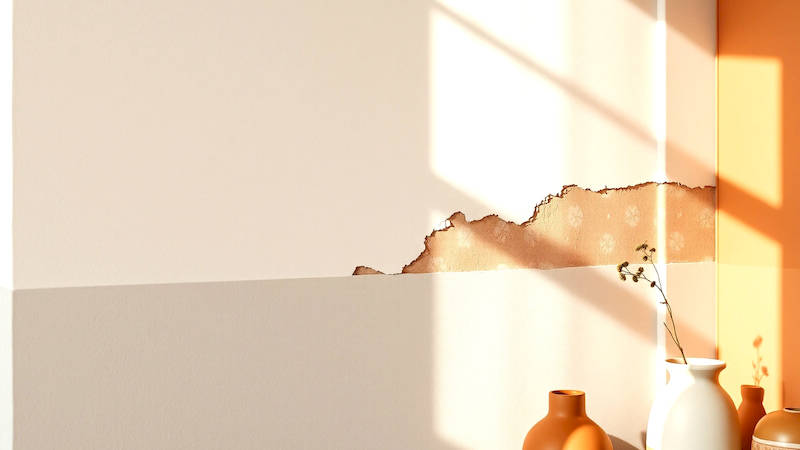
Wallpaper, once a dominant force in interior design, is often met with a sigh when it’s time for a change. While removal is often the recommended course of action, it’s a labor-intensive process that many homeowners understandably want to avoid. Fortunately, painting over wallpaper is a viable option – but success hinges on proper preparation and technique. This comprehensive guide will walk you through the best practices for painting over wallpaper, detailing everything from assessment to final touches, ensuring a professional finish that lasts. Deciding to paint instead of stripping can save significant time and effort, but it's crucial to understand the potential pitfalls and how to overcome them. This article is designed for both DIY enthusiasts and those considering hiring a professional, providing the knowledge needed for a successful project.
The decision to paint over wallpaper is often driven by convenience and cost savings. Wallpaper removal can be messy, time-consuming, and potentially damaging to the underlying wall. A high-quality paint job, applied correctly over a properly prepared surface, can provide a fresh, updated look without the hassle. However, it's not a universal solution; certain types of wallpaper and wall conditions are less suitable for painting. This guide will help you assess your specific situation and determine if painting over wallpaper is the right choice for your home. Statistical data suggests that approximately 20% of home renovation projects involve painting over existing wall coverings, largely due to the time and cost benefits.
- Assessing Your Wallpaper & Wall Condition
- The Essential Prep Work: Cleaning, Repairing, and Priming
- Choosing the Right Paint and Application Tools
- Addressing Common Challenges: Seams, Patterns, and Texture
- Dealing with Vinyl Wallpaper and Specific Wallpaper Types
- Post-Painting Inspection and Touch-Ups
- Conclusion: A Lasting Finish with Careful Execution
Assessing Your Wallpaper & Wall Condition
Before even thinking about paint colors, a thorough assessment of your existing wallpaper and the wall underneath is paramount. This isn’t merely a visual inspection; it requires a tactile examination to determine the wallpaper’s adhesion, material, and the wall’s overall condition. Loose or damaged wallpaper, coupled with crumbling drywall beneath, will significantly impact the final result and could necessitate removal regardless of your initial intentions. Ignoring this step is the most common mistake homeowners make when attempting this project.
You need to determine if the wallpaper is vinyl or paper-based. Vinyl wallpaper is generally more durable and easier to paint over because it’s less porous. To test, gently press a piece of tape onto the wallpaper. If the tape lifts easily, it’s likely paper-based, meaning more prep work is needed. Also, check for seams that are lifting or peeling. These areas must be addressed before painting, as they'll be highly visible through the paint. A key indicator of potential problems is bubbling or blistering, which suggests moisture has seeped behind the wallpaper, potentially damaging the drywall.
Finally, inspect the wall itself. Gently press on the wallpaper in various spots. If the wall feels soft or spongy, it indicates potential water damage or crumbling drywall. In such cases, repair the drywall before proceeding with painting. “A solid foundation is essential for any paint job, and that’s doubly true when painting over wallpaper,” notes interior design expert Sarah Richardson. Ignoring these initial assessments can lead to peeling paint, visible seams, and an overall unsatisfactory finish that requires even more extensive repair work later on.
The Essential Prep Work: Cleaning, Repairing, and Priming
Once you've assessed the condition of your wallpaper and walls, the real work begins: preparation. This stage is the most critical, as it directly impacts the paint’s adhesion and the final appearance. Skipping steps or cutting corners here will undoubtedly lead to problems down the line. Thorough cleaning is the initial step, removing any dirt, grime, or grease that could interfere with paint adhesion.
Start by gently washing the wallpaper with a mild detergent and warm water. Avoid harsh chemicals or abrasive sponges, as these can damage the wallpaper’s surface. Rinse thoroughly with clean water and allow to dry completely. Next, address any imperfections. Use spackle or joint compound to fill any holes, cracks, or loose seams in the wallpaper. Sand the repaired areas smooth, using a fine-grit sandpaper (180-220 grit). Be gentle, as excessive sanding can damage the wallpaper. Crucially, dust the entire surface thoroughly after sanding, removing all sanding residue.
Finally, priming is non-negotiable. Apply a high-quality oil-based or stain-blocking primer specifically designed for use over wallpaper. This seals the wallpaper, prevents the paint from soaking into the paper, and provides a better surface for adhesion. Consider a primer with a slight tooth, which will help the paint grip better. “Priming is the glue that holds everything together,” says paint specialist Mark Donovan. “It’s an investment that pays off in the long run.” Allow the primer to dry completely according to the manufacturer’s instructions before proceeding to the painting stage.
Choosing the Right Paint and Application Tools
Selecting the right paint is almost as important as the preparation. Not all paints are created equal, and some are better suited for application over wallpaper than others. Opt for a high-quality acrylic latex paint, as it offers excellent adhesion, durability, and washability. Satin or eggshell finishes are generally recommended, as they have a slight sheen that helps to hide imperfections and are easier to clean. Avoid flat finishes, as they are more porous and prone to showing imperfections.
Regarding application tools, a high-density foam roller is your best friend for achieving a smooth, even finish. A brush is ideal for cutting in around edges and corners. Avoid using a cheap brush or roller, as these can leave unsightly lines or textures. When loading your roller, don't overload it with paint; this can lead to drips and runs. Apply the paint in thin, even coats, allowing each coat to dry completely before applying the next.
For textured wallpaper, consider back-rolling—applying the paint and then immediately going over it with a dry roller—to ensure the paint penetrates all the crevices. “The key is to build up the layers gradually,” explains professional painter David Lee. “Two thin coats are always better than one thick coat, as they’re less likely to peel or crack.” The number of coats will depend on the color and opacity of the paint, but typically two to three coats are sufficient.
Addressing Common Challenges: Seams, Patterns, and Texture
Painting over wallpaper isn’t always a seamless process; several challenges can arise. Visible seams are a common issue, especially with patterned wallpaper. To minimize their appearance, apply a generous coat of primer over the seams, smoothing it out with a putty knife. After the primer dries, apply a thin layer of spackle or joint compound over the seams, feathering it out to blend with the surrounding wallpaper. Sand smooth and prime again if necessary.
Bold patterns beneath the paint can also create a ghosting effect. While priming helps, it might not completely eliminate the pattern’s visibility, especially with lighter paint colors. In such cases, consider applying an additional coat of primer or choosing a darker paint color to mask the pattern. Textured wallpaper presents another challenge. The texture can make it difficult to achieve a smooth, even finish.
A technique called ‘blocking’ can help. This involves applying a thick, even coat of primer to fill in the texture. Once the primer dries, sand it lightly to create a smoother surface. However, be cautious not to sand too aggressively, as you could damage the wallpaper underneath. For deeply textured wallpaper, multiple coats of primer and sanding may be necessary. Remember that achieving a perfectly smooth finish over heavily textured wallpaper might be unrealistic, and embracing a slightly textured look could be a better approach.
Dealing with Vinyl Wallpaper and Specific Wallpaper Types
Vinyl wallpaper, due to its non-porous surface, generally presents fewer challenges than paper-based wallpaper. However, it still requires proper preparation. While it’s more resistant to moisture, it’s essential to thoroughly clean the vinyl to remove any grease or grime. Priming is still crucial, but you can often use a water-based primer instead of an oil-based one.
Certain wallpaper types, such as metallic or flocked wallpaper, require special considerations. Metallic wallpaper can be slippery, making it difficult for the paint to adhere. Using a bonding primer specifically designed for slick surfaces is essential. Flocked wallpaper, with its raised velvet-like texture, is particularly challenging. Applying multiple coats of primer and sanding between coats is often necessary to fill in the texture and create a smooth surface. In some cases, it might be advisable to remove flocked wallpaper altogether, as painting over it can be incredibly difficult and the results often unsatisfying. It’s also worth noting that pre-pasted wallpaper, especially if it isn’t fully adhered, can pose adhesion problems – ensuring a firm bond with the wall first is vital.
Post-Painting Inspection and Touch-Ups
Once the final coat of paint has dried, it's time for a thorough inspection. Step back and examine the walls from different angles, looking for any imperfections, such as drips, brush marks, or visible seams. Utilize good lighting to highlight any flaws. Touch up any areas that need attention with a small brush, using the same paint you used for the main coat. Be mindful to feather the edges of the touch-ups to blend them seamlessly with the surrounding paint.
Pay close attention to the areas around trim, windows, and doors, as these are often prone to imperfections. Also, inspect the corners and edges for any areas where the paint has peeled or chipped. If you find any damage, scrape off the loose paint, sand the area smooth, and re-prime before touching up. "A little patience during the inspection and touch-up phase can make a big difference in the final result," suggests remodeling expert Amy Matthews. Finally, clean up any paint splatters or drips on the floor or furniture.
Conclusion: A Lasting Finish with Careful Execution
Painting over wallpaper can be a rewarding project that saves time and money, but it demands meticulous preparation and attention to detail. Successfully navigating this process requires a thorough assessment of the existing wallpaper and wall condition, diligent cleaning and repair work, the right paint and tools, and a willingness to address potential challenges. Remember that choosing a high-quality primer is non-negotiable, as it’s the foundation of a durable and attractive finish. Embrace patience during the application process, building up thin coats of paint to avoid drips and runs.
The key takeaways are: assess, prepare, prime, and patiently apply. Don’t underestimate the importance of addressing seams and patterns, and be prepared to adapt your approach based on the specific type of wallpaper and wall condition. By following these best practices, you can transform your space with a fresh, new look without the hassle of wallpaper removal. For those uncertain about tackling the project themselves, consulting with a professional painter is always a wise investment. Ultimately, a well-executed paint job over wallpaper can deliver a beautiful and long-lasting finish that enhances your home’s aesthetic appeal.
Deja una respuesta