
Budget-Friendly Ways to Refresh Walls with Chalk Paint
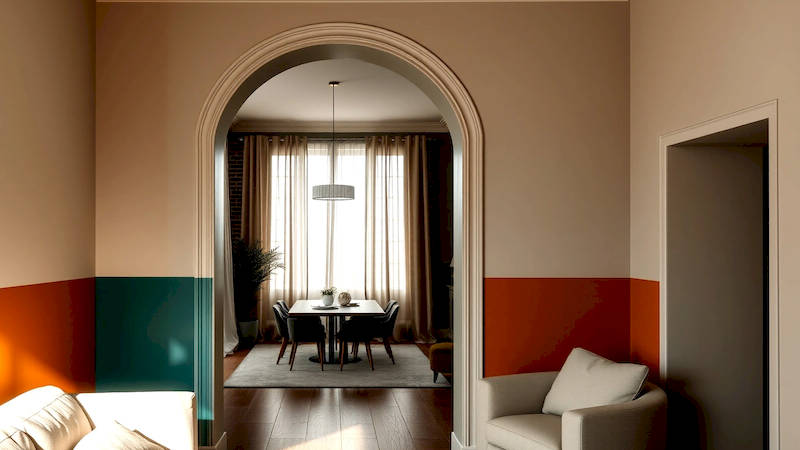
The desire to refresh our homes is a constant one, often fueled by changing seasons, evolving tastes, or simply the need for a visual uplift. However, a complete home makeover can quickly become a financially daunting undertaking. Fortunately, there are numerous ways to achieve a significant impact without breaking the bank, and when it comes to wall treatments, chalk paint stands out as a remarkably versatile and affordable option. Beyond its fashionable, vintage aesthetic, chalk paint’s unique properties—like minimal prep work and ease of distressing—make it incredibly accessible to DIY enthusiasts of all skill levels. This article will delve into the world of chalk paint, offering a comprehensive guide to refreshing your walls efficiently and creatively, proving that beautiful home improvements don't require a hefty budget.
Chalk paint isn’t new; its popularity surged with the rise of shabby chic and farmhouse design styles, but its benefits extend far beyond those aesthetics. Originally developed for furniture, its ability to adhere to various surfaces without priming, combined with its matte finish and inherent ‘grip’ for layering colors and techniques, has made it a go-to choice for walls seeking character. Where traditional paints demand meticulous sanding and priming for proper adhesion, chalk paint often requires merely a wipe-down. Furthermore, its quick drying time speeds up the entire painting process, saving valuable time and effort.
Understanding the different types of chalk paint available is also crucial for a successful project. While historically made with actual chalk, most commercially available chalk paints are acrylic-based, incorporating chalk-like ingredients to achieve the signature matte finish and ease of adhesion. The cost of chalk paint varies, but generally, it’s comparable to or slightly more expensive than standard latex paint. However, the reduced prep work and broader range of techniques can offset the initial cost. This guide focuses on strategies for maximizing value and minimizing expenses when using chalk paint to revitalize your walls.
Why Choose Chalk Paint for a Budget Refresh?
Chalk paint's appeal stems from its unique combination of aesthetic qualities and practical advantages, particularly when working with a limited budget. The most significant cost saving comes from the reduced need for surface preparation. Traditional painting often requires filling holes, sanding down imperfections, applying primer, and potentially even using a bonding agent, all adding to the material costs and the time commitment. With chalk paint, lightly sanding and cleaning are often sufficient, dramatically reducing these expenses. This is especially beneficial for walls with textured surfaces or existing imperfections that you might want to embrace for a more rustic aesthetic.
Another crucial element is that less paint is often required. Chalk paint has incredible coverage. Due to its dense pigmentation and ability to spread easily, a single coat often provides substantial coverage, and sometimes even eliminates the need for a second coat entirely. This reduces paint consumption – a major cost driver in any painting project. A gallon of chalk paint can typically cover between 300-400 square feet, similar to standard paints, but frequently with fewer layers needed. Furthermore, chalk paint’s forgiving nature means minor application inconsistencies, like slight brushstrokes, often contribute to the overall textured look, rather than detracting from it.
Finally, chalk paint’s versatility opens doors for creative, low-cost decorative techniques. From distressing and layering colors to creating faux finishes and stencil patterns, its unique properties allow for transforming walls swiftly and affordably. You can revive old furniture and incorporate it into your wall décor as an accent, reducing the necessity for entirely new wall art pieces.
Mastering the Minimal Prep: Getting Walls Ready
Despite its forgiving nature, proper preparation is still key to achieving a long-lasting and beautiful finish with chalk paint. The good news is, it’s significantly less demanding than traditional painting prep. First, thoroughly clean the walls using a mild detergent and water to remove dirt, dust, grease, and cobwebs. This step is critical, as chalk paint adheres best to a clean surface. Allow the walls to dry completely before proceeding. Avoid harsh chemicals or abrasive cleaners, as they can damage the existing paint or wall material.
Next, assess the wall’s condition. Minor imperfections like small nail holes or hairline cracks can usually be filled with spackle, allowed to dry, and then lightly sanded smooth. For larger imperfections or significant damage, professional repair might be necessary, as chalk paint is not designed to conceal substantial structural issues. Avoid excessive sanding; a light scuff sanding is usually enough to create a slightly textured surface for the chalk paint to grip onto. If your walls are particularly glossy, a very light sanding can help improve adhesion, but often it's unnecessary.
Finally, give the walls a good wipe down with a damp cloth to remove any sanding dust. Unlike traditional paints, priming is generally not required with chalk paint, particularly on previously painted surfaces. This is where significant time and money are saved. However, if you’re painting over very dark colors with a light color, or painting bare drywall, a tinted primer might provide better coverage and prevent the underlying color from bleeding through.
Color Selection and Creative Techniques for Impact
Chalk paint's matte finish lends itself beautifully to a range of color palettes and decorative techniques. Neutral shades like creams, greys, and whites are popular choices for creating a calming and versatile backdrop. However, don’t be afraid to embrace bolder colors to make a statement. Chalk paint's ability to be distressed and layered allows for a richer, more dimensional look that can be achieved with a single color. When selecting colors, consider the existing décor and the overall mood you want to create in the room. Sample colors on a small, inconspicuous area of the wall before committing to painting the entire space.
Beyond a simple solid color, several techniques can elevate your walls and add unique character. Distressing – sanding away paint in specific areas to reveal the underlying color or wall material – is a hallmark of chalk paint projects. This creates a vintage, weathered look, particularly effective for farmhouse or shabby chic styles. Color washing involves diluting the chalk paint with water and applying it in thin, translucent layers, creating a soft, subtle effect. This is easier than it sounds and can add incredible depth.
Another engaging technique is stenciling. Chalk paint adheres well to stencils, allowing you to create intricate patterns and designs on your walls. Consider using pre-made stencils or cutting your own from cardboard or Mylar. Layering different chalk paint colors using stencils can create a stunning, textural effect. Furthermore, consider using painter's tape to create geometric designs or stripes, offering another affordable and impactful option.
Sealing and Protecting Your Chalk Paint Walls
While chalk paint's matte finish is part of its charm, it's also more porous than traditional paint, making it susceptible to scuffs, stains, and fading. Therefore, sealing the painted walls is crucial for longevity and maintainability. Several options are available, each offering different levels of protection and sheen. Wax is the traditional sealant for chalk paint, providing a soft, velvety finish. However, wax requires regular reapplication and is not ideal for high-traffic areas or surfaces prone to moisture.
Lacquer or water-based polyurethane are more durable options, offering greater resistance to wear and tear. These sealants come in various sheens, from matte to glossy, allowing you to customize the final look. Applying multiple thin coats of sealant is better than one thick coat, ensuring even coverage and preventing drips or runs. Proper ventilation is essential when working with lacquers or polyurethanes, as they release fumes.
Consider the room’s function when choosing a sealant. For low-traffic areas like bedrooms or home offices, wax might suffice. However, for kitchens, bathrooms, or hallways, a more durable sealant like polyurethane is recommended. Regular cleaning with a gentle detergent and water will help preserve the finish and keep your chalk-painted walls looking beautiful for years to come.
Troubleshooting Common Chalk Paint Issues
Even with careful preparation and application, occasional issues can arise when working with chalk paint. One common problem is uneven coverage, particularly when painting over dark colors. To address this, apply a second coat of paint, ensuring even application. If the paint is too thick, dilute it slightly with water to improve its spreadability. Another potential issue is chalkiness or residue on the walls. This is usually due to insufficient sealing. Apply another coat of sealant to provide adequate protection.
Cracking or peeling can occur if the chalk paint is applied to a poorly prepared surface or if the sealant is incompatible with the paint. Ensure the walls are thoroughly cleaned and lightly sanded before painting, and always test the sealant in a small, inconspicuous area before applying it to the entire surface. Finally, if you're struggling to achieve the desired distressed look, experiment with different sanding techniques and tools. Using a fine-grit sandpaper will produce a more subtle effect, while a coarser grit will create a more dramatic, weathered appearance. Don't be afraid to experiment and make mistakes - that's part of the charm of chalk paint!
In conclusion, refreshing your walls with chalk paint is a remarkably budget-friendly and achievable home improvement project. By understanding the unique properties of chalk paint, mastering the minimal prep work, exploring creative techniques, and selecting the appropriate sealant, you can transform your living spaces without draining your finances. The versatility and forgiving nature of chalk paint make it an excellent choice for DIY enthusiasts of all skill levels. So, embrace the charm of chalk paint and unlock the potential for a beautiful, budget-conscious wall refresh today. Remember, a little creativity and a can of chalk paint can go a long way in creating a home you love.
Deja una respuesta