
Building a Built-In Window Shelf Garden for Indoor Plants
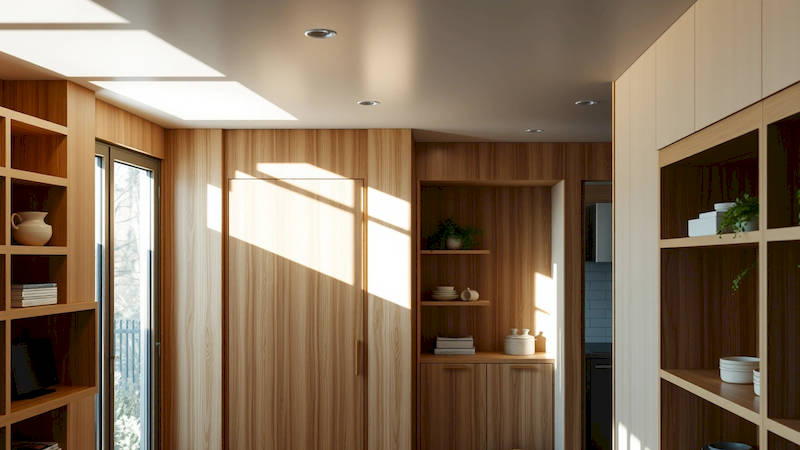
The biophilic design trend – incorporating natural elements into built spaces – is more than just a fleeting aesthetic. Studies increasingly demonstrate the profound positive impact of indoor plants on well-being, reducing stress, improving air quality, and boosting creativity. But displaying houseplants can sometimes feel cumbersome, competing with existing décor and taking up valuable floor space. A built-in window shelf garden provides an elegant, space-saving solution, transforming an often-underutilized area into a vibrant, living display. It’s an investment that enhances both the beauty and the health of your home, and with careful planning and execution, it’s a surprisingly accessible DIY project for homeowners of varying skill levels.
This isn't simply about sticking a few pots on a sill. A truly integrated built-in garden considers light exposure, plant needs, structural support, and aesthetics. It’s a project that elevates your interior design while fostering a closer connection to nature. This article will provide a comprehensive guide to designing and constructing a beautiful and functional built-in window shelf garden, covering everything from initial planning to material selection and plant choices. We’ll delve into the practical considerations that ensure your garden thrives while seamlessly integrating into your home’s architecture.
- Planning and Design: Assessing Your Space and Needs
- Material Selection: Balancing Aesthetics, Durability, and Budget
- Construction: Step-by-Step Guide to Building the Shelves
- Plant Selection: Matching Species to Light and Humidity
- Addressing Drainage and Water Management
- Maintaining Your Built-In Garden: Pruning, Fertilizing, and Pest Control
- Conclusion: Cultivating a Living Space
Planning and Design: Assessing Your Space and Needs
Before lifting a hammer or buying wood, meticulous planning is paramount. The first step is a thorough assessment of your window and the surrounding wall. Consider the window’s size (width, height, and depth), its exposure to sunlight (south-facing windows receive the most light, while north-facing receive the least), and the wall’s construction (drywall, plaster, brick). This will dictate the shelf’s dimensions, materials, and mounting method. A key mistake many make is underestimating the weight capacity needed, particularly when the shelves will house multiple plants and wet soil.
Next, determine the desired aesthetic. Do you envision a rustic, farmhouse-style garden with reclaimed wood, or a sleek, modern design using painted MDF? Sketch out your ideas, considering the number of shelves, their depth (deeper shelves accommodate larger plants), and the spacing between them (allowing for plant growth and air circulation). Online tools and interior design apps can be helpful for visualizing different options. Don't forget to consider accessibility – making sure you can easily reach all plants for watering and maintenance. This initial design phase sets the stage for a successful build.
Finally, think about irrigation. Will you hand-water, or explore options for a self-watering system? Self-watering systems, while more complex to install, can significantly reduce maintenance, especially for busy individuals or frequent travelers. According to the National Gardening Association, indoor plant care is a significant draw for millennials and Gen Z, but maintenance concerns remain a barrier. Integrating a simplified irrigation solution can address this concern, making indoor gardening more accessible.
Material Selection: Balancing Aesthetics, Durability, and Budget
The choice of materials heavily influences the garden's appearance and longevity. Solid wood, like pine, oak, or maple, offers a classic, durable option, but it’s generally more expensive and requires sealing or painting to protect against moisture. MDF (Medium-Density Fiberboard) is a cost-effective alternative, but it’s susceptible to water damage and warping, so it needs to be thoroughly sealed with a waterproof primer and paint – ideally multiple coats. Plywood is another viable option, offering a balance of strength, affordability, and workability.
Beyond the shelving material, consider the support system. Metal brackets are a common choice, providing strong and reliable support. Choose brackets rated for significantly more weight than you anticipate to ensure safety. Integrated support, where the shelves are directly connected to the wall studs, offers the most robust solution, but it requires more advanced carpentry skills. When selecting hardware, opt for rust-resistant materials like stainless steel, as moisture levels will be consistently elevated.
It’s also crucial to consider the finish. Water-based polyurethanes are durable and low-VOC, making them an environmentally friendly option. Oil-based polyurethanes offer superior water resistance but have a stronger odor. The finish should complement your home’s existing décor and protect the wood from moisture and wear. Remember, a well-chosen finish is an investment in the long-term beauty and functionality of your built-in garden.
Construction: Step-by-Step Guide to Building the Shelves
Once the design and materials are finalized, construction can begin. Begin by accurately measuring and cutting the shelf boards to the desired dimensions. Precision is key here, as uneven cuts will result in an unstable and unsightly finished product. Using a circular saw or table saw will yield the cleanest cuts. Sand all edges and surfaces to smooth out any rough spots and prepare the wood for finishing.
Next, apply the chosen finish – primer, paint, or polyurethane – following the manufacturer's instructions. Allow each coat to dry completely before applying the next. Once the finish is dry, it’s time to install the support brackets. Locate the wall studs using a stud finder and mark their positions. Securely attach the brackets to the studs using appropriate screws. Ensure the brackets are level before proceeding. A laser level can greatly assist with this step.
Finally, attach the shelf boards to the brackets. Use screws that are the appropriate length to securely fasten the boards without protruding through the top surface. Double-check that all shelves are level and securely attached. Consider adding a small lip or edge along the front of each shelf to prevent pots from sliding off. Post-construction, test the stability of the structure – apply gentle pressure to ensure it’s sturdy before introducing the weight of plants.
Plant Selection: Matching Species to Light and Humidity
Choosing the right plants is paramount to a thriving window shelf garden. The amount of light is the most crucial factor. South-facing windows are ideal for sun-loving plants like succulents, cacti, and herbs. East- or west-facing windows offer moderate light suitable for many common houseplants, such as pothos, snake plants, and peace lilies. North-facing windows receive the least light and are best suited for low-light tolerant plants like zz plants, cast iron plants, and ferns.
Consider humidity levels as well. Most indoor environments are relatively dry, especially during winter. Plants that prefer high humidity, such as orchids and ferns, may benefit from being misted regularly or grouped together to create a microclimate. Grouping plants creates a natural humidity boost, as they transpire, releasing moisture into the air. Another option is to place a tray of water with pebbles below the shelves - as the water evaporates, it will increase localized humidity.
Don’t be afraid to mix and match textures and colors to create a visually appealing display. Include trailing plants like pothos or string of pearls to soften the edges of the shelves and add visual interest. Research each plant’s specific needs before introducing it to your garden, and be prepared to adjust your care routine accordingly.
Addressing Drainage and Water Management
Proper drainage is essential to prevent root rot and maintain plant health. Avoid using pots without drainage holes, as this can lead to waterlogging. Instead, use pots with drainage holes and place a saucer underneath to catch excess water. Consider using self-watering planters, which provide a consistent supply of moisture to the roots. These can be especially helpful for plants that require consistently moist soil.
However, even with drainage holes, water can still seep onto the shelves. To protect the wood, line the shelves with waterproof liners, such as plastic sheeting or heavy-duty vinyl. Alternatively, use trays or dishes under each pot to contain any spills. Regularly check the shelves for signs of moisture buildup and wipe up any spills promptly.
“One of the biggest mistakes people make with indoor plants is overwatering,” says Maria Colletti, horticulturalist and author of Indoor Plant Décor. “Allowing the soil to dry out slightly between watering is usually best.” Incorporate a moisture meter into your plant care toolkit to ensure you are not over or under-watering.
Maintaining Your Built-In Garden: Pruning, Fertilizing, and Pest Control
A built-in window shelf garden requires regular maintenance to thrive. Prune plants as needed to maintain their shape and size, and remove any dead or yellowing leaves. Fertilize plants during the growing season (spring and summer) with a balanced liquid fertilizer. Follow the instructions on the fertilizer label carefully, as over-fertilizing can be harmful.
Regularly inspect plants for pests, such as aphids, spider mites, and mealybugs. If you detect pests, treat them promptly with insecticidal soap or neem oil. Isolate affected plants to prevent the pests from spreading to other plants. Wipe down the shelves regularly to remove dust and debris. This will improve air circulation and prevent the buildup of mold and mildew.
Rotating plants periodically can also promote even growth, ensuring all sides receive adequate light. Finally, be prepared to adapt. Observe how your plants are responding to their environment and adjust your care routine accordingly. Gardening is a continuous learning process, and your built-in window shelf garden will evolve over time.
Conclusion: Cultivating a Living Space
Building a built-in window shelf garden is more than just a home improvement project; it’s an investment in your well-being and a celebration of nature. By carefully planning, selecting the right materials, and choosing plants that thrive in your specific environment, you can create a stunning and functional display that enhances your home’s beauty and improves your quality of life. Remember to prioritize structural stability, drainage, and regular maintenance to ensure your garden flourishes for years to come.
Key takeaways include: thorough space assessment, thoughtful material selection based on moisture resistance and aesthetics, and choosing plants based on light conditions. Don't underestimate the importance of waterproofing and regular maintenance. As a next step, sketch out your design and create a materials list. Consider starting small with a single shelf and expanding as your confidence and gardening skills grow. With a little effort and creativity, you can transform an ordinary window into a vibrant, living showcase of natural beauty.
Deja una respuesta