
Creating a Home Library in Your Basement: Step-by-Step Guide
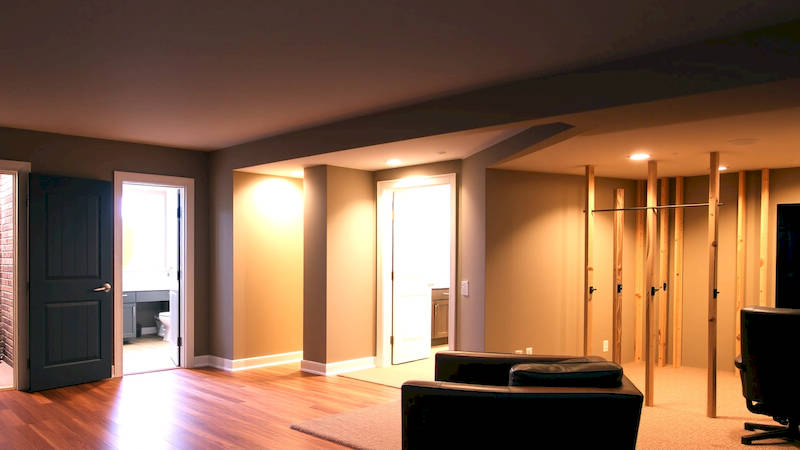
The allure of a home library is timeless. Beyond simply storing books, it represents a dedicated space for intellectual pursuit, quiet contemplation, and a tangible connection to the world of ideas. While often envisioned as grand, stately rooms, a home library doesn’t require a sprawling estate. In fact, the often-underutilized basement presents a uniquely compelling opportunity to create this haven. Basements, historically considered utilitarian spaces, are increasingly being transformed into functional and inviting living areas. Converting your basement into a home library offers a cost-effective way to add value to your home, cultivate a personal sanctuary, and curate a space that reflects your passion for reading and learning.
This guide will navigate you through the process of designing and building a basement home library, from initial planning and addressing potential challenges to selecting the right furniture, lighting, and finishing touches. We’ll delve into considerations for moisture control, soundproofing, and creating a comfortable, inviting atmosphere. The goal isn’t just to build a room filled with books, but to craft a space that actively encourages engagement with literature and fosters a lifelong love of learning. A well-planned basement library can become the heart of your home, a place for family bonding, quiet study, and intellectual exploration.
Assessing and Preparing Your Basement Space
Before diving into design ideas, a thorough assessment of your basement is crucial. This initial phase will uncover potential challenges and establish a foundation for a successful project. Begin by carefully inspecting the basement for any signs of moisture. Basements are notoriously prone to dampness, and moisture is the enemy of books and wooden furniture. Look for water stains on the walls and floor, efflorescence (a white, powdery substance indicating mineral deposits from water seepage), and musty odors. Addressing these issues before you begin building is paramount. Options range from improved exterior drainage and sealant application to installing a dehumidifier or even a full waterproofing system.
Once moisture concerns are addressed, evaluate the overall layout and structural elements. Consider the ceiling height, the location of support columns, and any existing plumbing or electrical systems. Low ceilings can make a space feel claustrophobic, so plan your shelving accordingly – shorter, wider shelves can create the illusion of height. Furthermore, factor in the load-bearing capacity of the floor, especially if you're planning to install extensive built-in bookshelves. According to a 2023 report by the National Association of the Remodeling Industry, basement finishing projects average around $30-$75 per square foot, with a significant portion of that cost dedicated to addressing structural issues and moisture control. Don’t underestimate this important preparatory work; skipping it can lead to costly repairs and compromised enjoyment of your library in the long run.
Finally, consider soundproofing. Basements can be prone to noise transfer from above, and you'll want to create a quiet, contemplative atmosphere. Adding soundproofing insulation during the finishing process, or employing area rugs and soft furnishings, can significantly improve the acoustics of the space.
Designing the Layout and Shelving System
With the basement assessed and prepped, it's time to focus on the design. Consider your collection size, reading habits, and desired ambiance. Do you primarily read physical books, or are you incorporating space for digital media and a reading nook? Do you prefer a traditional, formal library aesthetic, or a more modern, minimalist approach? Sketch out several layout options, taking into account natural light sources (if any) and the location of electrical outlets.
Shelving is the cornerstone of any library. Built-in bookshelves offer a custom look and maximize space utilization, but are more expensive and require more complex installation. Freestanding bookshelves are a more affordable and flexible option. When choosing shelves, prioritize sturdy construction and adequate support for the weight of your books. Adjustable shelves are a boon, allowing you to accommodate books of varying sizes. Consider incorporating a mix of open shelving (for displaying prized editions and decorative objects) and closed storage (for less frequently used books and media). A common design flaw is underestimating the number of shelves required – it’s always better to overestimate than to run out of space. As author and librarian Nancy Pearl notes, “A well-curated library isn't just about the number of books, it's about selecting titles that speak to your interests and reflecting your personal story.”
Addressing Moisture and Air Quality Concerns
Basement libraries, more than most, require vigilant attention to moisture and air quality. Even after initial remediation, ongoing monitoring is essential. Invest in a reliable dehumidifier and monitor the humidity levels regularly, aiming for a range of 30-50%. This will protect your books from mold and mildew and make the space more comfortable. Air circulation is also important; consider installing a small fan or ensuring adequate ventilation.
Pay attention to the materials you use in the finishing process. Avoid materials that are susceptible to mold growth, such as drywall that isn't mold-resistant. Opt for paint and finishes that are low-VOC (volatile organic compounds) to minimize off-gassing and improve air quality. According to the Environmental Protection Agency (EPA), indoor air can be up to five times more polluted than outdoor air, making ventilation and low-VOC materials critical for a healthy home environment. Implementing an air purifier can further improve air quality, particularly if you have allergies or sensitivities. Regular cleaning and dusting are also essential to prevent dust and mold buildup.
Lighting, Comfort, and Ambiance
Lighting is paramount in creating a welcoming and functional library space. Basement lighting is often inadequate, so a layered approach is best. Combine ambient lighting (overhead fixtures) with task lighting (table lamps or floor lamps for reading nooks) and accent lighting (to highlight bookshelves or artwork). Opt for warm, inviting light bulbs with a color temperature of around 2700K to 3000K; avoid harsh, sterile white light. Adjustable lighting allows you to customize the ambiance to suit your mood.
Comfort is also key. Incorporate comfortable seating, such as a plush armchair, a cozy reading nook, or a small sofa. Add throw pillows, blankets, and rugs to create a warm and inviting atmosphere. Consider a small side table for your drink or a stack of books. Don't underestimate the power of personal touches – artwork, photographs, and cherished objects will make the space feel uniquely yours. Color psychology suggests that warmer, earthier tones (burgundy, olive green, deep blues) promote relaxation and focus, while brighter colors can stimulate creativity.
Integrating Technology and Functionality
While a home library evokes a sense of tradition, it doesn't have to be entirely devoid of technology. Consider incorporating space for a comfortable reading chair with integrated charging ports, a small desk for research and writing, or a dedicated area for a computer or tablet. WiFi access is essential for accessing digital books, audiobooks, and online resources.
However, strive for a balance between technology and tranquility. Avoid cluttering the space with excessive electronics. The goal is to create a sanctuary that encourages mindful engagement with literature, not a busy home office. Consider a discreet sound system for playing soothing music or audiobooks. Smart lighting systems can also be customized to create different moods and conserve energy.
Conclusion: Your Personal Literary Haven
Creating a home library in your basement is a rewarding project that can transform an underutilized space into a cherished sanctuary. It requires careful planning, attention to detail, and a commitment to creating a comfortable and inviting atmosphere. From addressing moisture concerns and designing the layout to selecting the right furniture and lighting, each step contributes to the overall success of the project. Remember to prioritize function, comfort, and personalized touches that reflect your unique literary tastes.
The key takeaways are to thoroughly assess the basement for structural and moisture issues before you begin, invest in quality shelving that can accommodate your collection, and prioritize a layered lighting scheme for optimal ambiance. Finally, don’t be afraid to personalize the space with artwork, comfortable seating, and cherished objects. A basement home library isn’t just about storing books – it's about creating a space that inspires a lifelong love of learning and provides a refuge from the demands of modern life. Start planning today and embark on a journey to create your own personal literary haven.
Deja una respuesta