
Creative Storage Solutions for Converted Attics
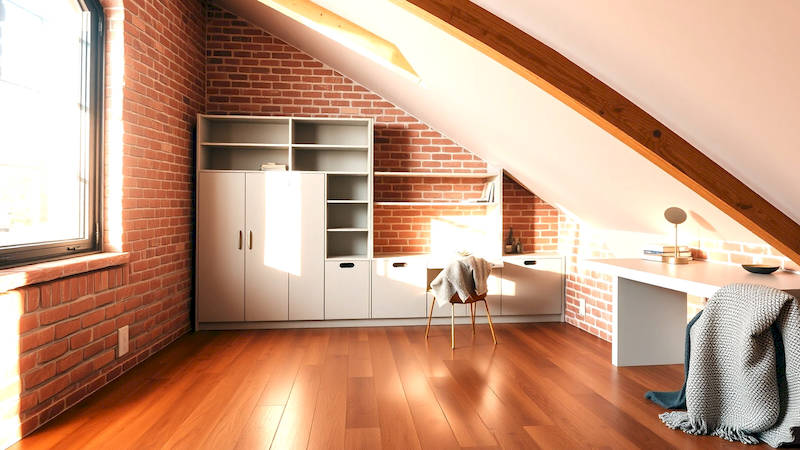
Attics, traditionally relegated to dusty repositories of forgotten memories, are increasingly becoming valuable living spaces through conversion. Transforming an attic into a bedroom, home office, or playroom adds significant square footage to a home and can dramatically increase its value. However, the unique architectural challenges of a converted attic – sloped ceilings, limited access, and often smaller footprints – necessitate thoughtful storage solutions. Simply moving existing clutter upstairs isn’t a renovation; it's a relocation of the problem. Efficient, creative storage isn't just about maximizing space, it's about maintaining the aesthetic appeal and functionality of your newly gained room.
Successfully navigating attic storage requires a shift in mindset. We must move beyond conventional storage norms geared towards rectangular rooms with standard ceiling heights. The key is to embrace the angles, leverage often-underutilized vertical space, and custom-tailor solutions to the attic’s specific layout. This article will delve into a variety of innovative storage strategies, offering practical advice and inspiration to help you maximize every inch of your converted attic and create a beautifully organized and functional living area. Knowing where to start, and thinking about future needs, is just as important as the physical application of storage solutions.
- Utilizing Sloped Walls: Built-In and Custom Storage
- Embracing the Eaves: Hidden and Accessible Storage Areas
- Under-Window Storage: Maximizing Often-Wasted Space
- Vertical Solutions: From Floor to Apex
- Thinking Outside the Box: Clever and Unexpected Storage
- Conclusion: Transforming Attic Space into Functional Living
Utilizing Sloped Walls: Built-In and Custom Storage
The defining characteristic of most converted attics, sloped walls, often present the biggest storage hurdle. But these angles can be powerfully transformed into opportunities for bespoke storage solutions. Forget standard furniture; the most effective approach is often built-in cabinetry and shelving tailored precisely to the available space. This not only maximizes capacity but also creates a seamless, integrated aesthetic that enhances the room’s overall feel. Consider incorporating drawers of varying depths to accommodate different items, and open shelving for frequently used or aesthetically pleasing objects.
One popular approach is to build storage along the longest sloped wall. This creates a substantial bank of storage that can house everything from clothing and books to toys and linens. To avoid a visually heavy look, incorporate alternating sections of open shelving and closed cabinetry. You could also embed the storage into the eaves – the space between the roof and the floor – creating secluded compartments perfect for seasonal items or less frequently used possessions. A professional carpenter can accurately measure the space and design a solution that perfectly fits, taking into consideration access points and potential obstructions like pipes or wiring.
Furthermore, consider the depth of the sloped wall. Shallower slopes are ideal for shallow shelves or integrated drawers, while steeper slopes can accommodate deeper storage solutions. In terms of material, lighter-colored wood or painted finishes can help to visually expand the space and prevent the sloped walls from feeling too imposing. Expert interior designers often recommend opting for soft-close hinges and drawer runners for a touch of luxury and added convenience, especially given the potentially awkward access angles.
Embracing the Eaves: Hidden and Accessible Storage Areas
The eaves, the areas where the roof meets the walls, frequently remain underutilized space in attic conversions. With a little ingenuity, these areas can be transformed into surprisingly spacious and easily accessible storage compartments. One of the most effective methods is to install pull-down storage sections within the eaves. These are essentially hidden cabinets that can be accessed by pulling down a panel, revealing a concealed storage area. This is particularly ideal for storing seasonal decorations, holiday items, or out-of-season clothing.
The construction of pull-down eaves storage requires careful planning to ensure structural integrity and manageable weight. It's highly recommended to consult a structural engineer or experienced builder to ensure the eaves can support the added weight and to determine the appropriate reinforcement measures. Professionally installed systems usually incorporate gas-assisted lift mechanisms for smooth and easy operation. Furthermore, keep safety in mind: secure latches and childproof mechanisms are crucial if the attic room will be used by or accessible to children.
Beyond pull-down storage, the eaves can also accommodate shallow shelving units or boxes. These are perfect for storing smaller items like shoes, hats, or accessories. Proper ventilation is also crucial within the eaves to prevent moisture buildup and protect stored items. Including small vent holes or ensuring adequate air circulation can help to prevent mold and mildew issues.
Under-Window Storage: Maximizing Often-Wasted Space
Windows in a converted attic are typically dormer windows, which project outwards from the roof. The space beneath these windows is often underutilized, creating a prime opportunity for integrated storage. Building custom benches with lift-up seats or incorporating drawers beneath the window seats is a popular and effective solution. This maximizes space while also providing a comfortable seating area with a view.
The key here is to design the storage to be both functional and aesthetically pleasing. Consider incorporating a padded seat cushion for added comfort, and choose materials and finishes that complement the room's overall décor. The depth of the storage area should be carefully considered to avoid obstructing the window or hindering access to the room. Drawers are ideal for storing clothing, toys, or bedding, while lift-up seats are perfect for larger items like blankets or pillows.
Don't limit yourself to just bench-style storage. Shallow shelving units built around the window frame can also provide valuable storage space for books, plants, or decorative items. Remember to factor in the window’s operation – ensure the storage solutions don’t impede the window’s ability to open and close freely. As Anna Peterson, a featured designer on HGTV, noted in a recent interview, “Often, the best storage solutions are the ones that are seamlessly integrated into the architectural features, rather than appearing as afterthoughts.”
Vertical Solutions: From Floor to Apex
Attics naturally lend themselves to vertical storage. Taking advantage of the full height of the attic is crucial for maximizing space, particularly when floor space is limited. Tall, slender bookshelves and cabinets are excellent choices. Consider open shelving that extends all the way to the apex of the ceiling, creating a dramatic visual effect and providing ample storage for books, decorative items, or artwork. This is especially effective in attics with high ceilings.
When incorporating vertical storage, it's essential to prioritize safety. Tall bookshelves and cabinets should be securely anchored to the wall to prevent them from tipping over. Using wall straps or brackets is a simple but effective safety precaution. Furthermore, prioritize accessibility. Items that are used frequently should be stored within easy reach, while less frequently used items can be stored on higher shelves.
Strategically position tall storage units to avoid blocking natural light or creating a feeling of claustrophobia. Lighter-colored finishes and strategically placed mirrors can help to visually expand the space and prevent it from feeling too cramped. Horizontal lines, such as shelving edges, can also help to visually broaden the room.
Thinking Outside the Box: Clever and Unexpected Storage
Beyond the traditional solutions, consider thinking outside the box to unlock even more storage potential. Repurposed furniture, such as vintage trunks or steamer chests, can add character and provide unique storage for blankets, linens, or clothing. Rolling carts can be tucked away in corners and used to store art supplies, craft materials, or toys.
Another creative option is to utilize the space beneath the stairs, if applicable. Transforming the under-stair area into a cozy reading nook with built-in shelving is a popular choice, providing both storage and a functional living space. In some cases, it may be possible to create a small closet or wardrobe within the under-stair area.
Don't overlook the potential of wall-mounted organizers. Pegboards, bulletin boards, and hanging baskets can be used to store small items like jewelry, keys, or office supplies. These organizers are particularly useful in home offices or craft rooms. Finally, don't be afraid to embrace decluttering. Regularly assessing your possessions and parting with items you no longer need or use is just as important as implementing clever storage solutions.
Conclusion: Transforming Attic Space into Functional Living
Converting an attic into a usable living space opens a world of possibilities, but effective storage is paramount to its success. By embracing the unique challenges of the attic’s architecture – the sloped walls, the eaves, and the limited floor space – and implementing creative storage solutions, you can transform this often-overlooked space into a functional, stylish, and inviting room. Prioritize built-in solutions, maximize vertical space, and don’t shy away from thinking outside the box.
Remember that careful planning and professional consultation are key, particularly when dealing with structural considerations or complex installations. Taking the time to meticulously measure, design, and implement your storage solutions will ensure that your converted attic is not just beautiful but also functional and organized for years to come. Ultimately, clever attic storage isn’t simply about finding space; it’s about creating a better, more livable home.
Deja una respuesta