
Creative Ways to Integrate Water Features into Your Garden Design
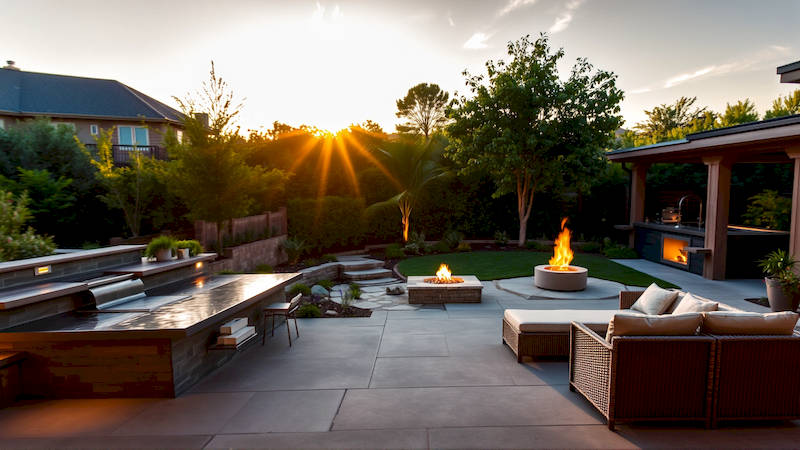
Water features have long been celebrated for their ability to transform outdoor spaces, moving beyond simple aesthetics to contribute to a sense of tranquility and enhanced well-being. The gentle sound of flowing water can mask unwanted noise, creating a peaceful retreat, and the visual movement provides a focal point that draws the eye and encourages relaxation. Integrating water features isn’t just about installing a pond or fountain; it’s about thoughtfully incorporating the element of water into your garden’s overall design, considering its impact on the environment, maintenance requirements, and your personal lifestyle. As landscapes become increasingly valued as extensions of our living spaces, investing in well-designed water features becomes a way to elevate the overall experience of outdoor living.
The popularity of garden water features has surged in recent years, mirroring a broader trend towards biophilic design – the innate human connection to nature. According to a 2022 study by the American Horticultural Society, homeowners who include water features in their landscapes report a 25% increase in the amount of time spent outdoors. This reflects a desire to create havens of calm and beauty amidst the stresses of modern life. Beyond the aesthetic and psychological benefits, water features can also enhance biodiversity, attracting birds, insects, and other wildlife to your garden ecosystem. Successfully integrating these features requires careful planning and understanding of different options, ensuring a harmonious blend of water and landscape.
- Understanding the Different Types of Water Features
- Incorporating Fountains for Classic Elegance
- Designing Naturalistic Ponds and Water Gardens
- Creating Serene Streams and Waterfalls
- Utilizing Rainwater Harvesting and Sustainable Water Features
- Integrating Lighting and Sound for Enhanced Ambiance
- Conclusion: Embracing the Tranquility of Water in Your Garden
Understanding the Different Types of Water Features
The world of garden water features extends far beyond the traditional pond and fountain. Choosing the right type is crucial, as it will dictate the overall aesthetic, maintenance needs, and even the impact on your garden ecosystem. Broadly, water features fall into two categories: circulating and still water. Circulating features, like fountains, waterfalls, and streams, rely on a pump to keep the water moving, providing aeration and a dynamic visual element. These generally require more upkeep, as pumps require cleaning and occasional repair. Still water features, such as ponds and bog gardens, are more self-sustaining but require attention to water quality, algae control, and potential wildlife management.
Consider your garden's size, style, and your personal preferences when selecting a feature. A small courtyard might be perfectly suited for a minimalist bubbling rock fountain, while a larger property can accommodate a more elaborate koi pond with a cascading waterfall. Formal gardens often benefit from symmetrical fountain designs, while naturalistic gardens lend themselves to more organic shapes and flowing water features. Don’t overlook the eco-friendly options. Rain gardens, for instance, collect rainwater runoff, reducing stormwater pollution while creating a visually appealing landscape element. “The key is to choose a water feature that complements the existing landscape rather than competing with it,” emphasizes landscape architect Sarah Miller. “It should feel like a natural extension of the garden’s design.”
Incorporating Fountains for Classic Elegance
Fountains represent a timeless addition to any garden, offering a classic aesthetic and a soothing soundscape. They are available in a vast array of styles, from ornate, multi-tiered structures to sleek, contemporary designs sculpted from stone or metal. Wall fountains are an excellent choice for smaller spaces, providing a focal point without taking up valuable ground area, and can be surprisingly easy to install. Freestanding fountains can become striking centerpieces, particularly when positioned to take advantage of existing landscaping elements, such as a flowerbed or a tree.
The material of the fountain will influence its overall look and durability. Concrete fountains offer affordability and versatility, allowing for intricate designs, but they can be susceptible to cracking in freezing climates. Stone fountains, like granite or marble, exude a natural elegance and are incredibly durable, but they are significantly more expensive. Modern fountains often utilize stainless steel or copper, providing a sleek and contemporary aesthetic. Remember to consider the noise level. Powerful pumps can create a loud splashing sound, while gentler pumps offer a more subtle and relaxing ambiance.
Designing Naturalistic Ponds and Water Gardens
Ponds and water gardens offer the opportunity to create thriving mini-ecosystems within your backyard. They provide habitat for a variety of aquatic plants and animals, attracting birds, frogs, and dragonflies that contribute to biodiversity. The design process starts with careful consideration of the pond’s location, size, and depth. A south-facing location will receive ample sunlight for aquatic plants, but might also require more frequent algae control. Varying the depth creates different habitats, supporting a wider range of plant and animal life.
Constructing a pond involves several stages: excavation, liner installation, and landscaping. Flexible pond liners, typically made of PVC or EPDM rubber, are the most common choice, ensuring a watertight seal. Rock edging and carefully chosen plants soften the pond’s edges and create a naturalistic appearance. Water lilies, irises, and cattails are popular choices, providing beauty and providing shelter for aquatic creatures. Consider incorporating a filtration system to maintain water clarity and prevent algae blooms. A well-maintained pond can become a haven for wildlife and a stunning focal point in your garden.
Creating Serene Streams and Waterfalls
The sound of cascading water is incredibly soothing, making streams and waterfalls highly desirable features in garden design. They can be incorporated into existing slopes or created artificially using rocks and liners. A stream can wind through your garden, connecting different areas and adding movement and visual interest. Waterfalls can be built to flow into ponds, creating a dramatic focal point and aerating the water.
Designing a stream or waterfall requires careful planning to ensure proper water flow and a naturalistic appearance. The slope of the stream bed dictates the speed of the water, and strategically placed rocks and boulders can create eddies and pools. For waterfalls, selecting the right size pump is crucial to ensure ample water flow without creating excessive splashing. Planting aquatic plants along the stream banks and around the waterfall adds to the naturalistic aesthetic. Regular maintenance is essential to ensure that the stream or waterfall remains free of debris and that the pump is functioning correctly.
Utilizing Rainwater Harvesting and Sustainable Water Features
In an era of increasing water scarcity, incorporating sustainable practices into your garden design is more important than ever. Rainwater harvesting, collecting rainwater from your roof and storing it for later use, is an excellent way to reduce your water consumption and create an eco-friendly water feature. Rain chains, elegant alternatives to traditional downspouts, can guide rainwater into a rain garden or a decorative basin, creating a visual feature while conserving water.
Rain gardens are shallow, depressed areas designed to collect rainwater runoff from impervious surfaces, such as driveways and patios. Planted with deep-rooted native plants, they filter pollutants and recharge groundwater supplies. Bog gardens, similar to rain gardens but with a higher water table, provide habitat for a wider range of aquatic plants and animals. By embracing these sustainable practices, you can create a beautiful and environmentally responsible garden that conserves water and supports biodiversity.
Integrating Lighting and Sound for Enhanced Ambiance
Water features truly come alive at night with the addition of strategic lighting. Underwater lights can illuminate fountains, ponds, and waterfalls, creating a mesmerizing visual effect. Spotlights can be used to highlight cascading water or to accentuate the surrounding landscaping. LED lights are energy-efficient and long-lasting, making them an ideal choice for garden lighting.
Sound is another crucial element in creating an immersive experience. The gentle sound of flowing water can be enhanced with the addition of subtle ambient music or the soothing sounds of nature. Consider incorporating a sound system that can be controlled remotely, allowing you to adjust the volume and create different moods. “Lighting and sound are often overlooked, but they can dramatically transform the atmosphere of your garden,” says landscape designer Kevin Jones. "They turn a simple water feature into a captivating focal point.”
Conclusion: Embracing the Tranquility of Water in Your Garden
Integrating water features into your garden design offers a multitude of benefits, from enhancing aesthetic appeal and creating a sense of tranquility to supporting biodiversity and promoting sustainable practices. Whether you choose a classic fountain, a naturalistic pond, or a cascading waterfall, careful planning and thoughtful execution are key to success. Remember to consider your garden’s size, style, and your personal preferences, and don't be afraid to explore innovative and eco-friendly options.
Ultimately, a well-designed water feature can transform your outdoor space into a personal oasis, a place where you can relax, reconnect with nature, and enjoy the soothing sounds and captivating beauty of water. Begin by sketching out your ideas, researching different options, and consulting with a landscape professional if needed. The investment in a water feature is an investment in your well-being and the long-term enjoyment of your garden. Take the first step today towards creating a truly captivating outdoor sanctuary.
Deja una respuesta