
Designing a Multi-Room Smart Speaker System for Seamless Audio Control
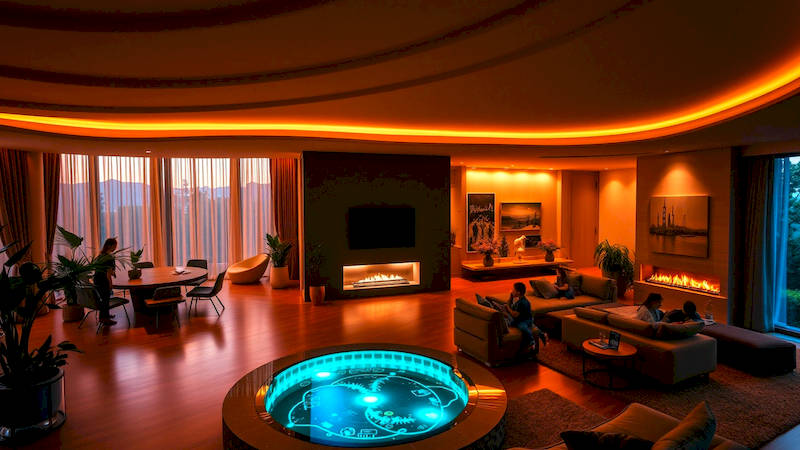
The modern home is increasingly becoming interconnected, and audio is no exception. Gone are the days of single stereo systems or awkwardly running wires to different rooms. Today’s smart speaker technology offers a compelling and convenient solution: whole-home audio with centralized control. A well-designed multi-room smart speaker system elevates the listening experience, providing music, podcasts, and audiobooks throughout your home with remarkable ease. But simply adding a few smart speakers isn't enough. Creating a truly seamless system requires careful planning, understanding your needs, and choosing the right combination of hardware and software. This article provides a deep dive into designing a multi-room smart speaker system, covering everything from basic concepts to advanced configurations.
The appeal of a multi-room system extends beyond mere convenience. It fosters a more engaging and immersive living environment, allowing different household members to enjoy their preferred audio content independently, or to collectively experience the same soundtrack throughout the house. Furthermore, it can significantly enhance the ambiance during social gatherings or create a personalized auditory atmosphere tailored to specific activities happening in different rooms. According to a recent report by Statista, the smart speaker market is projected to reach $30.78 billion in 2024, showcasing increasing consumer adoption and demand for these technologies. This growth underlines the importance of understanding how to design and implement these systems effectively.
Understanding Your Needs and Home Environment
Before diving into specific products, a thorough assessment of your requirements and home environment is crucial. Consider factors like the size of your home, the number of rooms you want to cover, and your intended use cases. Do you primarily want background music in common areas, a high-fidelity listening experience in a dedicated listening room, or audio coverage for outdoor spaces like patios or gardens? Answering these questions will heavily influence your speaker selection and system architecture. Furthermore, assess your existing network infrastructure. A stable and robust Wi-Fi network is the backbone of any multi-room smart speaker system.
A critical aspect often overlooked is acoustic treatment. Room shape, size, and surface materials can dramatically affect sound quality. Rooms with hard surfaces tend to create echoes and reverberations, while rooms with soft furnishings absorb sound, making it sound muffled. Consider incorporating rugs, curtains, and acoustic panels to optimize the listening experience in each room. Understanding the electrical layout is also essential. You'll need sufficient power outlets to accommodate the speakers and any associated components. "The biggest mistake people make is buying speakers based solely on brand recognition," states audio expert and sound engineer, Michael Delloso. "They need to consider their room's acoustics and the speaker's specifications to get optimal performance.”
Furthermore, consider who will be using the system and their technical proficiency. A system overly complex to operate will likely be underutilized. Choose a platform with an intuitive interface and voice control capabilities to accommodate users of all ages and technical skill levels. Think about future scalability – will you want to add more speakers or integrate the system with other smart home devices down the line?
Choosing a Smart Speaker Ecosystem
Several dominant ecosystems compete in the smart speaker market, each with its strengths and weaknesses. The major players include Amazon Alexa, Google Assistant, Apple AirPlay 2, and Sonos. Each platform utilizes a different approach to connectivity, control, and compatibility. Amazon Alexa and Google Assistant are known for their broad compatibility with third-party devices and extensive feature sets, while Apple AirPlay 2 excels in its seamless integration with Apple devices and high-fidelity audio support. Sonos, while independent, provides a dedicated ecosystem renowned for its audio quality and multi-room capabilities.
The choice largely depends on your existing ecosystem and preferences. If you are heavily invested in Apple products, AirPlay 2 is a natural fit. If you utilize Amazon or Google smart home devices, their respective ecosystems offer the most cohesive integration. Sonos offers a premium, standalone experience with exceptional audio, but might require a separate investment if you’re not already committed to their platform. Consider the types of music services you use. Most platforms support popular streaming services like Spotify, Apple Music, and Amazon Music, but compatibility with niche services might vary. The annual cost of these services should also be incorporated into your budget.
Don't underestimate the importance of privacy. Each platform has different privacy policies and user data handling practices. Research these policies carefully to ensure they align with your comfort level. Finally, consider the potential for future development and updates. A platform actively maintained and improved by its developers is more likely to remain relevant and secure over time.
Hardware Selection: Speakers and Beyond
Selecting the right speakers is arguably the most critical step. Options range from compact smart speakers suitable for bedrooms and bathrooms to larger, high-fidelity speakers ideal for living rooms and entertainment areas. Consider the power output, frequency response, and driver configuration of each speaker. For larger rooms, look for speakers with more powerful amplifiers and larger woofers to deliver deeper bass and clearer highs. Water-resistant or waterproof speakers are essential for kitchens, bathrooms, and outdoor areas.
Beyond the speakers themselves, you might need additional hardware. A dedicated hub, such as a Sonos Port or Amazon Echo Studio, can improve system reliability and connectivity, particularly in homes with weaker Wi-Fi signals. A high-quality router is essential for maintaining a stable network connection. If you’re aiming for a truly high-fidelity experience, consider adding a dedicated DAC (Digital-to-Analog Converter) to bypass the built-in DACs in the smart speakers. This can significantly improve audio clarity and detail.
Pay attention to speaker placement. Position speakers strategically to maximize sound dispersion and minimize reflections. Avoid placing speakers directly against walls or in corners, as this can amplify bass frequencies and create a muddy sound. Experiment with different placements to find the optimal configuration for each room. According to sound optimization guidelines, a general rule of thumb is to position speakers at ear level and create an equilateral triangle between the speakers and the listening position.
Network Configuration and Optimization
A robust and reliable network is the foundation of any successful multi-room audio system. Ensure your Wi-Fi router is capable of handling the bandwidth demands of multiple streaming audio devices. Consider upgrading to a Wi-Fi 6 router for improved performance and stability. Extend your Wi-Fi coverage with mesh networking devices if you have a large home or areas with weak signals. Mesh networks create a seamless Wi-Fi network by using multiple access points to provide consistent coverage.
Prioritize your smart speakers on your network using Quality of Service (QoS) settings. This ensures that audio streams receive preferential treatment, minimizing buffering and dropouts. Regularly update your router's firmware to benefit from the latest security patches and performance improvements. Avoid placing your router near sources of interference, such as microwaves or cordless phones. Experiment with different Wi-Fi channels to find the least congested channel in your area. Consider using a wired Ethernet connection for speakers that are located near Ethernet ports for the most reliable connection.
Setting Up and Configuring Your System
Most smart speaker platforms offer user-friendly setup processes through dedicated mobile apps. Follow the instructions provided by the manufacturer to connect each speaker to your Wi-Fi network and link it to your chosen ecosystem. Once the speakers are connected, you can group them together to create multi-room listening zones. Use the mobile app to assign a name and location to each zone.
Many platforms allow you to customize the audio settings for each zone independently, enabling you to adjust the volume, equalization, and other parameters. Experiment with different settings to optimize the sound for each room. Familiarize yourself with the voice control commands for your chosen platform. Most platforms support commands for controlling playback, adjusting volume, and creating playlists. Utilize the platform’s scheduling features to create automated audio routines. For example, you can schedule different music to play in different rooms at different times of the day.
Troubleshooting Common Issues
Even with careful planning, you might encounter occasional issues. Common problems include connectivity issues, audio dropouts, and synchronization problems. If a speaker loses connection, try restarting it and your router. If audio drops out frequently, check your Wi-Fi signal strength and try relocating the speaker closer to the router or adding a Wi-Fi extender. Synchronization problems can occur when speakers are not properly synchronized with the network. Try resetting the speakers and re-establishing the network connection.
If you're experiencing persistent issues, consult the manufacturer's support documentation or contact their customer support team. Online forums and communities dedicated to smart home technology can also be valuable resources for troubleshooting and finding solutions to common problems. Remember to keep your speaker's firmware up-to-date; manufacturers regularly release updates to address bugs and improve performance.
Conclusion: Harmonizing Your Home with Seamless Audio
Designing a multi-room smart speaker system is an investment that significantly enhances the home listening experience, offering convenience, flexibility, and personalized audio enjoyment. By meticulously assessing your needs, selecting the right ecosystem and hardware, optimizing your network, and carefully configuring the system, you can create a seamless audio environment that transforms your home. Remember that the optimal system is tailored to your specific requirements and preferences.
The key takeaways are to prioritize a strong network infrastructure, understand the strengths and weaknesses of different ecosystems, and invest in quality speakers that suit your rooms and listening habits. Don’t be afraid to experiment with speaker placement and audio settings to achieve the best possible sound quality. As smart home technology continues to evolve, embracing a well-designed multi-room audio system is a powerful way to harmonize your home with the sound you love.
Deja una respuesta