
How to Apply Venetian Plaster for a Classic Italian Finish
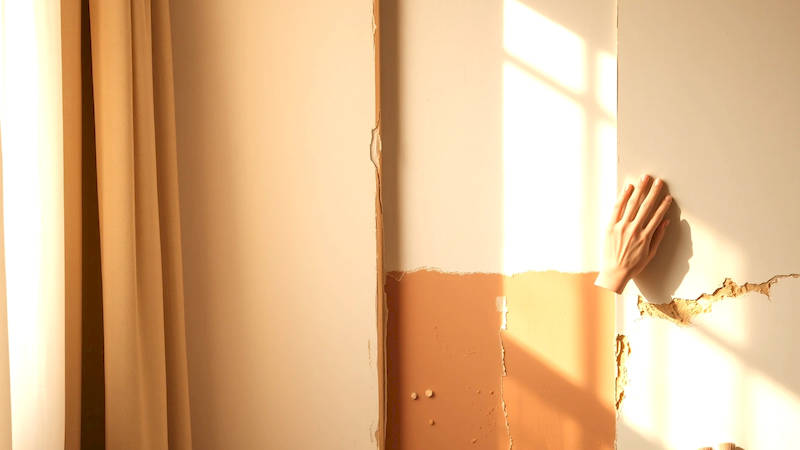
Venetian plaster, also known as stucco lustro, is a decorative wall finish with roots stretching back to ancient Roman times. However, it reached its peak of refinement during the Italian Renaissance, adorning the villas and palaces of Venice – hence the name. Unlike standard drywall finishes, Venetian plaster isn't merely a coating; it’s a layered, burnished surface that mimics the look of polished marble, offering a depth and luminosity unmatched by other wall treatments. In recent years, this classic technique has seen a resurgence in popularity, driven by a desire for sophisticated, high-end interiors that move beyond typical paint colors and textures. It's a technique that, while demanding skill and patience, can dramatically elevate a space, adding a touch of Old World charm and lasting value.
This article serves as a definitive guide to achieving a professional-looking Venetian plaster finish. We'll delve into the materials required, the preparation work crucial for success, the application process itself, finishing techniques, and troubleshooting tips. Understanding the nuances of this craft will empower both seasoned DIY enthusiasts and those considering hiring a professional to appreciate the intricacies involved and ensure a stunning, long-lasting result. While it requires commitment, the reward is a truly unique and visually captivating wall surface.
Understanding the Materials & Tools Required
The essence of Venetian plaster lies in the quality of its components. Traditional Venetian plaster utilizes slaked lime (calcium hydroxide) as its base, prized for its breathability, antibacterial properties, and subtle sheen. However, modern formulations often incorporate marble dust, pigments, and binders to enhance workability and durability. Different grades of plaster exist, ranging from coarser, more textured finishes to incredibly fine polishes. Choosing the right plaster depends on the desired aesthetic – a coarser plaster lends itself to a more rustic look, while a finely milled plaster is ideal for achieving the classic, polished marble effect. It’s important to source high-quality materials from reputable suppliers, as inconsistencies can significantly impact the final outcome.
Beyond the plaster itself, a specialized toolkit is essential. Key tools include stainless steel trowels (multiple sizes are recommended for different application stages), a hawk for holding the plaster, plastic putty knives for mixing and cleanup, a spray bottle for misting the surface, fine-grit sandpaper (typically 400-600 grit), and a wax or sealant designed for lime-based finishes. The trowels are arguably the most critical; their quality and maintenance directly affect the smoothness and polish of the plaster. "Investing in good quality, flexible stainless steel trowels is paramount," emphasizes Marco Esposito, a Venetian plaster artist with over 20 years of experience. "A flexible blade allows you to manipulate the plaster with greater control and achieve those subtle variations in texture that define the look."
Finally, proper safety gear is a necessity. Lime-based plasters are caustic and can irritate skin and eyes. Therefore, always wear safety glasses, gloves, and a dust mask, particularly when mixing the plaster or sanding the finished surface. Adequate ventilation is also crucial to avoid inhaling dust. Failing to prioritize safety can lead to discomfort and potential health issues.
Preparing the Surface: The Foundation for Success
Proper surface preparation is arguably the most critical step in achieving a flawless Venetian plaster finish. Unlike paint, which can sometimes mask imperfections, Venetian plaster amplifies them. Therefore, the substrate must be impeccably smooth, clean, and properly primed. Begin by thoroughly cleaning the wall to remove any dust, dirt, grease, or loose paint. Patch any holes or cracks with a high-quality patching compound, ensuring it's flush with the surrounding surface. Sand the patched areas smooth and then apply a primer specifically designed for lime-based plasters.
This primer isn't merely about adhesion; it’s about regulating the porosity of the wall. Lime plaster needs a consistent surface to absorb moisture evenly, preventing cracking and ensuring proper bonding. A common mistake is skipping the primer or using an inappropriate one, resulting in a patchy or uneven finish. According to a study by the Association for Preservation Technology International, improper priming accounts for nearly 40% of Venetian plaster failures. The number of primer coats may vary depending on the substrate – porous surfaces like drywall may require two coats, while less porous surfaces like existing paint may only need one. Allow each coat of primer to dry completely before proceeding.
Finally, consider applying a tinted undercoat that complements the final plaster color. This will not only enhance the depth of the finish but also reduce the number of plaster layers needed to achieve full coverage. Tinting the undercoat subtly influences the overall look, providing an initial layer of complexity.
Mastering the Application Technique: Layering and Burnishing
The application of Venetian plaster is a multi-layered process, built on the principle of thin, overlapping coats. The first layer, often referred to as the ‘base coat,’ is applied with a stainless steel trowel, using a sweeping, randomized motion. Don’t aim for complete coverage; instead, focus on creating a rough, textured surface that will provide a key for subsequent layers. This initial layer may appear messy or uneven, but that's intentional – it’s the foundation upon which the final beauty is built. The key is to apply the plaster with consistent pressure and to change direction frequently.
Subsequent layers are applied in increasingly thinner coats, gradually building up the desired texture and depth. Each layer is burnished with the trowel, using a firm, even pressure. “Burnishing is the heart and soul of Venetian plaster,” explains Esposito. “It’s where you compress the plaster, creating the marble-like shine and revealing the subtle variations in color.” This process requires practice and a keen eye for detail. As you burnish, you’ll notice the plaster becoming smoother and more lustrous.
Between layers, it's crucial to allow the plaster to partially dry, but not completely. A light misting of water can help maintain the ideal level of plasticity, preventing the trowel from sticking and allowing for smoother burnishing. Typically, three to five layers are needed, depending on the desired effect. Patience is paramount; rushing the process will inevitably compromise the quality of the finish.
Developing Depth and Variation: Adding Artistic Flair
The hallmark of authentic Venetian plaster is its seemingly random, yet expertly controlled, variation in color and texture. This is achieved through a combination of techniques, including the strategic use of pigments, varying the pressure of the trowel, and incorporating ‘incisions’ or ‘veins' into the plaster surface. Adding small amounts of different colored pigments to each layer creates a subtle marbling effect. This doesn't mean swirling the colors; it’s about subtly introducing variations that catch the light differently.
Varying the pressure applied with the trowel is another essential technique. Using more pressure compresses the plaster, creating darker, smoother areas, while lighter pressure leaves a more textured, lighter surface. This creates a sense of depth and movement. Experienced artisans often use a variety of trowel angles and motions to further enhance the effect.
Finally, careful incisions – created by dragging a fine-tipped tool through the partially set plaster – can simulate the natural veins found in marble. This requires a steady hand and a good understanding of marble patterns. However, a little restraint goes a long way; overdoing the veining can look artificial. "The key is to suggest the presence of veins, not to recreate them perfectly," notes Esposito.
Finishing and Protecting: Waxing and Sealing for Longevity
Once the final layer of plaster has been applied and burnished, it's time to finish and protect the surface. Traditionally, Venetian plaster is sealed with beeswax, which enhances the sheen and provides a water-resistant barrier. However, modern acrylic or polyurethane sealants are also available, offering greater durability and ease of application. The choice depends on the desired aesthetic and the level of protection required.
Waxing involves applying a thin, even coat of melted beeswax with a soft cloth, working it into the plaster in circular motions. Multiple coats may be applied to achieve the desired level of sheen. Sealants are typically applied with a brush or roller, following the manufacturer's instructions. Regardless of the chosen method, ensure the surface is clean and dry before applying the finish.
Protecting the finished surface from excessive moisture and abrasion is crucial for preserving its beauty. Avoid using harsh cleaning chemicals, as these can damage the plaster or sealant. Regular dusting with a soft cloth is usually sufficient to maintain its shine. Properly finished and protected Venetian plaster can last for decades, becoming more beautiful with age.
Troubleshooting Common Issues
Despite careful preparation and application, issues can arise. Cracking is a common concern, often caused by uneven drying or a poorly prepared substrate. Small cracks can be filled with additional plaster and burnished smooth, but larger cracks may indicate a more serious problem. Patching requires a delicate touch to blend the repair seamlessly with the surrounding surface. Another frequent issue is uneven color or texture, which can be caused by inconsistent plaster application or insufficient burnishing. Addressing unevenness might necessitate the application of additional layers, followed by careful burnishing to blend the textures.
Finally, efflorescence – the appearance of white, powdery deposits on the surface – can occur if moisture penetrates the plaster. This is typically a sign of inadequate sealing or underlying dampness. Correcting efflorescence requires addressing the moisture source and applying a breathable sealant to prevent future occurrences. Consulting with a professional is advisable for complex issues.
In conclusion, applying Venetian plaster is a labor-intensive but immensely rewarding process. It demands meticulous preparation, patience, and a willingness to learn and refine your technique. However, the result – a timeless, elegant wall finish that mimics the beauty of polished marble – is well worth the effort. By understanding the materials, mastering the application process, and diligently addressing potential issues, you can transform your space with a touch of Italian artistry and create a truly lasting impression. Don’t be afraid to practice on sample boards before tackling a large wall, and remember that imperfection is part of the charm of this ancient craft. The key takeaway is that Venetian plaster isn’t just about applying a finish; it's about creating a work of art.
Deja una respuesta