How to Build a Green Roof to Improve Home Insulation
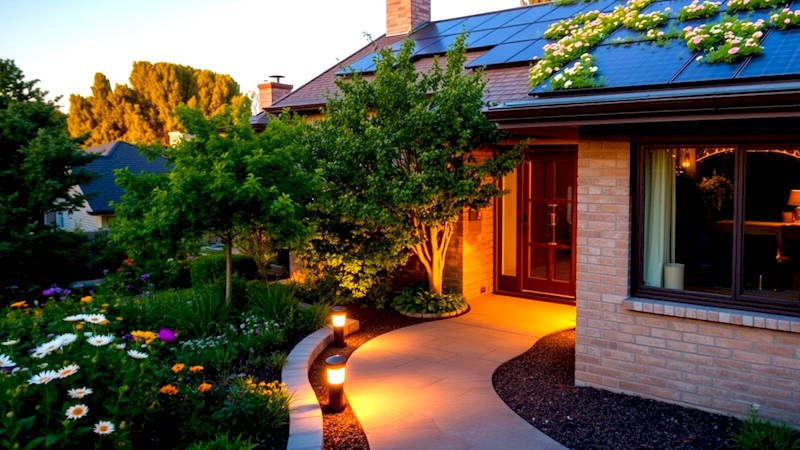
The idea of a garden on your roof might conjure images of fairytale cottages or futuristic eco-homes. However, green roofs – roofs covered, at least partially, with vegetation – are becoming increasingly popular for homeowners looking to improve energy efficiency, manage stormwater runoff, and create a more sustainable living space. Beyond their aesthetic appeal, these living roofs offer a tangible return on investment by dramatically increasing home insulation, reducing heating and cooling costs, and extending the lifespan of the roofing materials themselves. With growing concerns over climate change and rising energy prices, understanding how to build and maintain a green roof is fast becoming a crucial element of modern, eco-conscious home improvement. This article delves into the intricacies of green roof construction, from initial planning to long-term maintenance, providing a comprehensive guide for those considering this transformative project.
Green roofs aren’t simply about planting a few flowers on your rooftop. They represent a sophisticated system combining horticultural and engineering practices. Historically, green roofs have a long lineage, dating back to ancient civilizations. The Norse sagas describe turf-covered homes offering excellent insulation, and early Roman villas featured rooftop gardens. Modern green roofs, however, benefit from advancements in waterproofing, drainage, and lightweight growing media. They are categorized primarily as intensive or extensive, a distinction crucial for planning your project. The choice hinges on factors like budget, structural load-bearing capacity of your roof, and the desired level of maintenance.
- Understanding Intensive vs. Extensive Green Roofs
- Assessing Your Roof's Suitability and Structural Considerations
- The Layers of a Green Roof: A Step-by-Step Construction Guide
- Plant Selection and Biodiversity Considerations
- Maintaining Your Green Roof for Long-Term Benefits
- Costs and Potential ROI of a Green Roof
Understanding Intensive vs. Extensive Green Roofs
Extensive green roofs are characterized by shallow soil depths (typically 2-6 inches) and lightweight vegetation like sedums, mosses, and hardy grasses. These roofs are engineered for minimal maintenance, requiring limited irrigation and fertilization. Because of their shallow depth and light plant choices, extensive roofs are also significantly lighter, making them suitable for a wider range of existing structures. They are primarily designed for environmental benefits – insulation, stormwater management, and habitat creation – rather than recreational use. Consider a rooftop entirely covered with low-growing sedums; that exemplifies an extensive green roof.
Intensive green roofs, on the other hand, resemble conventional gardens, allowing for a wider range of plants, including shrubs, small trees, and even vegetable gardens. These roofs require deeper soil depths (6 inches or more), a more robust structural support system, and more frequent maintenance, including irrigation, fertilization, and pruning. Imagine a rooftop patio complete with planters, lawn areas, and even small trees - that’s an intensive green roof. They offer recreational opportunities but come with significantly higher costs for both installation and upkeep. The key differentiating factor, according to a study by the National Research Council Canada, is that intensive green roofs can support human weight for extended periods, enabling their use as usable outdoor spaces, while extensive roofs typically cannot.
Assessing Your Roof's Suitability and Structural Considerations
Before you even begin dreaming of rooftop gardens, a comprehensive structural assessment is paramount. Not all roofs are designed to handle the additional weight of a green roof system, even an extensive one. A qualified structural engineer needs to evaluate your roof's load-bearing capacity to determine if it can support the saturated weight of the system – including the vegetation, growing medium, drainage layer, and waterproofing membrane. This assessment should account for both static loads (the consistent weight of the system) and dynamic loads (temporary loads like snow or maintenance personnel).
Many older buildings were not engineered with the prospect of a green roof in mind. Reinforcements may be necessary, adding to the overall project cost. Furthermore, the roof’s slope is a critical factor. While green roofs can be installed on gently sloped roofs (between 2% and 10% are generally ideal), steeper slopes require specialized systems to prevent soil erosion and ensure proper drainage. The roof’s orientation regarding sunlight is also important, dictating plant selection and potential shading issues. Proper planning at this stage can prevent costly structural failures and ensure a long-lasting green roof.
The Layers of a Green Roof: A Step-by-Step Construction Guide
Constructing a green roof involves layering several components, each serving a specific purpose. The foundational layer is the existing roof membrane, which must be completely intact and waterproof. Above this, a root barrier is installed to prevent plant roots from penetrating and damaging the membrane. Next comes the drainage layer, typically composed of a lightweight aggregate or a specialized drainage mat, which facilitates water runoff and prevents waterlogging. Crucially, the drainage layer must be able to efficiently remove excess water, particularly during heavy rainfall events.
The growing medium, often a lightweight engineered soil mix composed of materials like expanded shale, clay, or compost, provides the necessary nutrients and support for plant growth. This medium differs significantly from traditional garden soil, being lighter and offering better drainage. Finally, the vegetation layer is selected based on the type of green roof (intensive or extensive), local climate, and desired aesthetic. Installation typically begins with the placement of pre-vegetated mats for extensive roofs, while intensive roofs require planting individual plants and establishing a garden layout. As stated by the Green Roofs for Healthy Cities organization, proper installation according to industry best practices is critical for the long-term performance and longevity of a green roof.
Plant Selection and Biodiversity Considerations
Choosing the right plants is crucial for a thriving and sustainable green roof. For extensive roofs, sedums are the workhorse, offering drought tolerance, low maintenance, and excellent insulation. However, incorporating a diversity of plant species can enhance biodiversity and ecosystem services. Native plants are particularly beneficial, as they are adapted to local conditions and provide habitat for pollinators and other wildlife. Consider including species like semprevivum (hens and chicks) and delosperma (ice plant) alongside sedums for added texture and color.
Intensive roofs offer far greater plant selection flexibility. Herbs, vegetables, and flowering perennials can all be integrated, creating a functional and aesthetically pleasing rooftop landscape. However, it’s important to consider the weight and water requirements of different plants, ensuring they are compatible with the roof’s structural capacity and drainage system. A well-planned green roof shouldn’t just look good, it should function as a miniature ecosystem, supporting biodiversity and contributing to a healthier urban environment.
Maintaining Your Green Roof for Long-Term Benefits
Green roofs aren’t “set it and forget it” installations. They require ongoing maintenance to ensure their health and functionality. Regular inspections are essential to identify any issues, such as leaks, drainage blockages, or plant diseases. Weed control is also necessary, particularly in the early stages of establishment. While extensive roofs require less frequent maintenance, occasional fertilization and debris removal are still necessary. Intensive roofs demand more intensive care, including regular watering, pruning, and pest control.
Proper irrigation is crucial, especially during dry periods, particularly for intensive roofs. A drip irrigation system is often the most efficient method, delivering water directly to plant roots. Effective drainage is equally important; clogged drains can lead to waterlogging and root rot. Annual or bi-annual professional maintenance checks are highly recommended to address potential issues before they escalate. The investment in proactive maintenance extends the lifespan of the green roof, maximizing its environmental and economic benefits. Studies show a well-maintained green roof can last over 40 years, significantly longer than a conventional roof.
Costs and Potential ROI of a Green Roof
The initial cost of installing a green roof is substantially higher than a conventional roof, ranging from $10 to $25 per square foot or even higher for intensive systems. Factors influencing cost include the type of system (extensive vs. intensive), the complexity of the installation, and local labor rates. However, the long-term benefits can offset these initial expenses. Reduced energy costs, stormwater management fees, and extended roof lifespan all contribute to a positive return on investment.
Furthermore, many municipalities offer incentives, such as tax credits or grants, to encourage the adoption of green roofs. According to the EPA, green roofs can reduce stormwater runoff by 50-90%, easing the burden on municipal drainage systems. A study conducted by Portland State University found that green roofs can reduce urban heat island effect, lowering local temperatures and improving air quality. When considering the environmental benefits alongside the economic advantages, a green roof becomes a compelling investment for environmentally conscious homeowners.
In conclusion, building a green roof is a complex but rewarding undertaking. From understanding the difference between intensive and extensive systems to carefully assessing your roof’s structural capacity, meticulous planning is essential. While the initial investment is substantial, the long-term benefits – improved insulation, stormwater management, enhanced biodiversity, and increased property value – make it a compelling option for those seeking a more sustainable and resilient home. By thoughtfully selecting plants, implementing a robust maintenance plan, and adhering to industry best practices, you can transform your rooftop into a living, breathing ecosystem that benefits both you and the environment. It’s an investment that truly grows with time.
Deja una respuesta