
How to Build an Outdoor Bar That Maximizes Space and Function
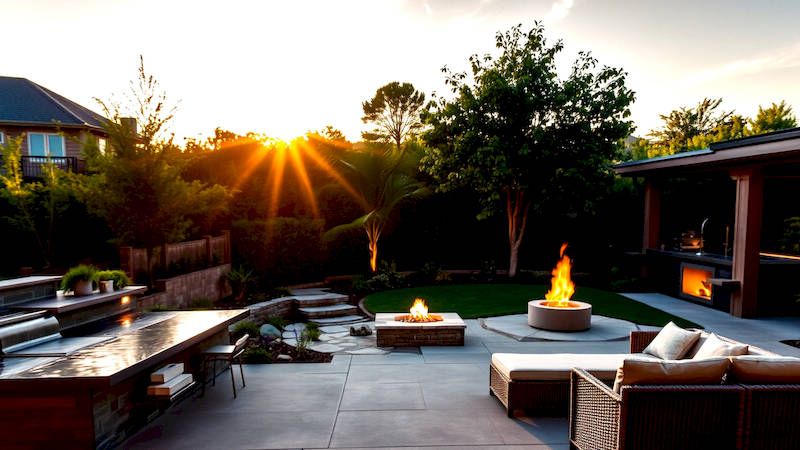
The dream of a perfect outdoor living space often centers around one key element: effortless entertaining. And what better way to facilitate that than with a well-designed, functional outdoor bar? For years, the outdoor kitchen has been a popular upgrade, but an outdoor bar offers a more streamlined, often more affordable, and versatile solution for socializing and enjoying the fresh air. From simple portable options to fully customized built-ins, creating an outdoor bar can dramatically enhance your backyard experience. This article provides a comprehensive guide to building an outdoor bar that not only looks aesthetically pleasing but also maximizes space and functionality, transforming your patio into the ultimate entertaining hub. We will explore design considerations, construction methods, material choices, and essential features to help you build the outdoor bar of your dreams.
The rise in popularity of outdoor living is undeniable. According to the American Society of Landscape Architects (ASLA), outdoor kitchens and entertaining spaces have been consistently ranked among the top requested design features for residential landscapes for over a decade. This trend reflects a growing desire to extend indoor living spaces outward, blurring the lines between home and garden. An outdoor bar perfectly aligns with this desire, providing a dedicated area for beverage service, food preparation, and casual gathering. It's an investment that pays dividends in increased enjoyment of your property and the creation of lasting memories. Properly planned, an outdoor bar seamlessly integrates a functional workspace with an inviting social area.
- Planning Your Outdoor Bar: Location, Size, and Style
- Construction Methods: From Portable to Permanent
- Material Selection: Balancing Durability and Aesthetics
- Essential Features: Beyond the Basics
- Space-Saving Strategies for Smaller Patios
- Addressing Potential Challenges: Permits, Drainage, and Weatherproofing
- Conclusion: Crafting Your Perfect Outdoor Retreat
Planning Your Outdoor Bar: Location, Size, and Style
The very first step in building any outdoor bar isn't grabbing tools; it’s careful planning. Location is paramount. Consider proximity to the house (for easy access to indoor plumbing and electrical), existing patio structures, and the overall flow of your backyard. You also want to avoid placing the bar directly in the path of strong winds or afternoon sun, which can quickly make the space uncomfortable. Think, too, about the views from the bar. Do you want it to face the pool, the garden, or a conversation area? A thoughtfully chosen location fundamentally impacts the bar’s usability and enjoyment.
Determining the size depends on your available space and entertaining habits. A small, portable bar might suffice for intimate gatherings, while larger, built-in structures are ideal for frequent, larger parties. As a general rule, allow at least 36 inches of counter space per person you anticipate serving simultaneously. Consider not just bar seating, but also workspace for mixing drinks and preparing snacks. Don’t forget to account for necessary clearances for walking and maneuvering around the bar, especially if you plan on having multiple people working behind it.
Finally, style should complement your existing outdoor aesthetic. Rustic bars crafted from reclaimed wood offer a charming, relaxed vibe. Sleek, modern bars featuring concrete countertops and stainless steel accents deliver a sophisticated look. From tropical tiki bars to elegant Mediterranean designs, the possibilities are limitless. Consider the existing architecture of your home and landscaping when making style choices, aiming for cohesion rather than jarring contrast.
Construction Methods: From Portable to Permanent
There are several approaches to building an outdoor bar, ranging from simple, DIY portable options to more complex, permanent structures that require significant construction expertise. Portable bars are the easiest to implement, often consisting of a folding table with a decorative surround or a rolling cart specifically designed for beverage service. These options are great for renters and those who prefer flexibility, but they lack the aesthetic impact and functionality of more permanent installations.
Semi-permanent options include using pre-fabricated outdoor kitchen components or modifying existing structures, such as a deck railing, to create a bar counter. These often involve adding a countertop, shelving, and potentially a sink or mini-refrigerator. This approach requires some carpentry skills but is less demanding than building from scratch. However, if you truly desire a customized, integrated outdoor bar, a fully built-in structure is the way to go. This typically involves framing a structure with lumber or concrete blocks, adding a countertop, and incorporating features like storage, plumbing, and electrical wiring.
Building a permanent bar demands precision and attention to detail. Proper foundation work is essential, especially in areas subject to frost heave. Framing must be sturdy enough to support the weight of the countertop, equipment, and people leaning on the bar. Materials need to be weather-resistant, and electrical and plumbing work must comply with local codes. For those inexperienced in these areas, hiring a qualified contractor is highly recommended.
Material Selection: Balancing Durability and Aesthetics
Choosing the right materials is crucial for an outdoor bar that will withstand the elements and look great for years to come. For framing, pressure-treated lumber is a standard choice, known for its resistance to rot and insect infestation. Alternatively, concrete blocks or brick offer exceptional durability, but require more labor and masonry skills. Concrete is becoming increasingly popular for countertops because of its durability and design possibilities.
For countertops, materials need to be both weather-resistant and easy to clean. Popular options include granite, quartz, stainless steel, and tile. Granite and quartz are extremely durable and offer a luxurious look, but they can be expensive. Stainless steel is hygienic and easy to maintain, but can get hot in the sun. Tile provides a wide range of design options but may require sealing to prevent staining. Consider the climate in your area when making a material choice–materials that absorb a lot of water will likely fare badly in freezing temperatures.
Finishing touches also matter. Exterior-grade paints, stains, and sealants are essential for protecting wood and preventing mold growth. Choose hardware (hinges, pulls, etc.) specifically designed for outdoor use to resist rust and corrosion. Consider incorporating decorative elements like stone veneer, mosaic tiles, or reclaimed wood to enhance the bar’s visual appeal.
Essential Features: Beyond the Basics
An outdoor bar is more than just a countertop; it’s about creating a functional and inviting space. Beyond the basic countertop and seating, several features can significantly enhance its usability and appeal. A sink is almost indispensable, allowing for easy cleanup of glassware and food preparation. Running water dramatically increases convenience and hygiene. Plumbing requirements will add to the project complexity, but are well worth the investment for frequent entertaining.
Storage is also critical. Shelves, cabinets, and drawers provide space for storing glassware, bar tools, ice, and other essentials. Built-in coolers or mini-refrigerators keep beverages cold and readily accessible. Incorporating lighting is essential for creating ambiance and ensuring visibility at night. Consider recessed lighting, string lights, or under-cabinet lighting to illuminate the bar area. Electrical outlets are also crucial for powering blenders, bottle openers, and other appliances.
Don’t underestimate the importance of comfortable seating. Bar stools should be appropriately sized for the countertop height and provide adequate back support. Consider adding a lounge area nearby for guests who prefer a more relaxed seating option.
Space-Saving Strategies for Smaller Patios
If you're working with a limited patio space, maximizing functionality is key. Folding or collapsible bar tops are excellent for areas where space is at a premium. Opt for vertical storage solutions – tall, narrow cabinets instead of wide, sprawling ones – to utilize wall space effectively. Multifunctional furniture is also a smart choice. For example, a bar cart with built-in storage can serve as both a serving station and a mobile storage unit.
Consider a corner bar to maximize space utilization and create a defined entertaining zone. A wrap-around bar that utilizes the existing deck structure ensures space is efficiently employed. Embrace minimalism; avoid cluttering the bar area with unnecessary items. A streamlined design will make the space feel larger and more inviting. Furthermore, cleverly placed mirrors can visually expand the space, making the patio feel more open and airy.
Addressing Potential Challenges: Permits, Drainage, and Weatherproofing
Building an outdoor bar, particularly a permanent one, can present several challenges that need to be addressed proactively. Before starting any construction, check with your local building department to determine if permits are required. Permits may be needed for structural work, electrical wiring, and plumbing installations. Ignoring permit requirements can result in fines or the need to dismantle your bar.
Proper drainage is essential to prevent water damage. Ensure that the area around the bar is properly graded to allow water to flow away from the structure. If you’re installing a sink, connect it to a drainage system that directs water to a suitable location. Weatherproofing is also critical. Seal all exposed wood surfaces with a high-quality exterior sealant. Protect electrical outlets from the elements with weatherproof covers. Consider installing a retractable awning or pergola to provide shade and protection from rain.
Conclusion: Crafting Your Perfect Outdoor Retreat
Building an outdoor bar is an investment in your lifestyle and a commitment to creating a space where memories are made. Successful implementation requires careful planning, attention to detail, and a willingness to adapt to unforeseen challenges. By considering location, size, style, construction methods, material selection, and essential features, you can create an outdoor bar that perfectly suits your needs and enhances your outdoor living experience. Remember to prioritize functionality, durability, and aesthetics, and don't be afraid to get creative with your design.
The key takeaways from this guide are clear: thorough planning is non-negotiable, material quality impacts longevity, and incorporating essential features elevates functionality. Actionable next steps include sketching a detailed design, obtaining necessary permits, and sourcing high-quality materials. Building an outdoor bar is more than just a construction project; it’s about crafting a welcoming outdoor retreat that you and your loved ones will enjoy for years to come. Take the time to do it right, and your backyard oasis will become the envy of the neighborhood.
Deja una respuesta