
How to Create a Home Lighting Plan for Different Ambiances
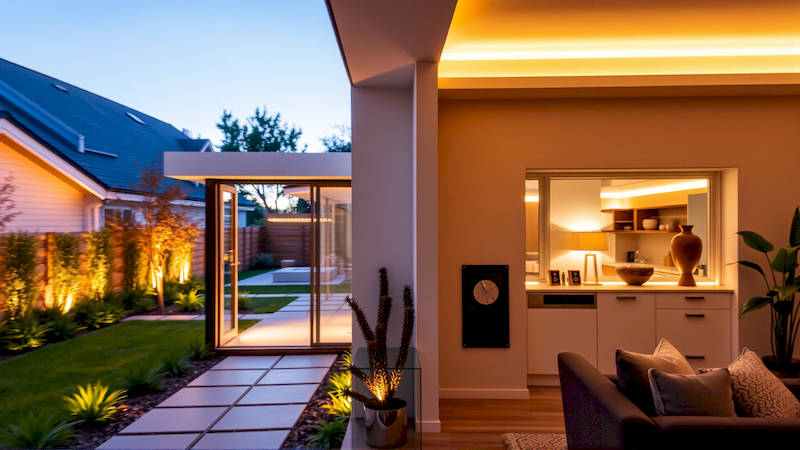
Lighting often gets relegated to an afterthought in home design, but it’s arguably one of the most powerful tools for shaping mood, enhancing functionality, and showcasing aesthetic details. Far beyond simply illuminating a space, a well-considered lighting plan can dramatically alter how a room feels and how it’s used. It impacts everything from our energy levels and productivity to our relaxation and social interactions. This article will delve into the art and science of creating a home lighting plan that caters to diverse ambiances, transforming your house into a truly personalized and inviting haven.
The move towards smart home technology and a greater understanding of the impact of light on our well-being are driving a renewed focus on thoughtful lighting design. No longer is a single overhead fixture sufficient. Modern lighting demands layers, control, and a nuanced approach that considers both the practical and emotional needs of a space. Ignoring these nuances can result in a home that feels sterile, unwelcoming, or simply lacks character. This guide will provide a comprehensive overview of how to strategically harness light to achieve the perfect atmosphere in every room.
Creating a successful lighting plan requires more than just choosing aesthetically pleasing fixtures. It involves understanding colour temperature, lumen output, layering techniques, and the specific activities that take place in each room. By thoughtfully combining these elements, you can unlock a world of possibilities and elevate your living spaces to new heights of comfort and style. Understanding these principles will empower you to move beyond functional lighting and into the realm of truly atmospheric design.
- Understanding the Core Principles of Lighting Design
- The Kitchen: Brightness and Functionality
- Living Room: Layered Comfort and Ambiance
- Bedroom: Serenity and Relaxation
- Bathroom: Functional Brilliance and Spa-Like Ambiance
- Hallways & Entryways: Welcoming and Functional Transitions
- Conclusion: A Brighter Future for Your Home
Understanding the Core Principles of Lighting Design
Before diving into specific room applications, it’s crucial to grasp the foundational elements of lighting design. These principles dictate how light interacts with space and subsequently shapes our perception of it. The three primary types of lighting – ambient, task, and accent – are the building blocks of any effective lighting scheme. Ambient lighting provides overall illumination, mimicking natural daylight and setting the general tone. Task lighting focuses light on specific areas for activities like reading, cooking, or working. Finally, accent lighting highlights architectural features, artwork, or decorative objects, adding depth and visual interest.
A balanced lighting plan incorporates all three layers, working in harmony to create a comfortable and functional environment. For instance, a living room might utilize recessed lighting as ambient illumination, a floor lamp for reading (task lighting), and spotlights to showcase artwork (accent lighting). Failing to integrate all three layers can lead to an unbalanced and often uncomfortable space. Over-reliance on a single type of light can either feel too harsh and clinical (excessive task lighting) or too dim and unwelcoming (insufficient ambient lighting).
Furthermore, understanding colour temperature is vital. Measured in Kelvins (K), colour temperature describes the warmth or coolness of light. Warmer shades (2700K-3000K) create a cozy and inviting atmosphere, ideal for bedrooms and living rooms, while cooler shades (3500K-5000K) are better suited for workspaces and kitchens, promoting alertness and focus. Expert lighting designers often recommend dimmers to allow for adjusting colour temperature and intensity throughout the day, adapting the lighting to different activities and moods. "The goal isn’t just to see, but to feel good in the space," states renowned lighting consultant Randall Whitehead.
The Kitchen: Brightness and Functionality
The kitchen demands a particularly strategic lighting plan, given its multi-functional nature. It’s a space for cooking, eating, socializing, and often even home office work. General ambient lighting, often achieved through recessed lighting or a central fixture, is the foundation. However, the real workhorse in kitchen lighting is task lighting. Under-cabinet lighting is essential for illuminating countertops, eliminating shadows, and ensuring safe food preparation. Choose LED strips with a colour temperature around 3000K to 4000K for optimal clarity and vibrancy.
Beyond under-cabinet lighting, consider pendant lights over islands or peninsulas. These not only provide task lighting but also act as a focal point, adding style and personality. Ensure the pendants are appropriately sized for the island and hung at a height that doesn’t obstruct visibility or create a sense of claustrophobia. Moreover, don’t neglect lighting within cabinets – it can dramatically improve functionality and accessibility. Internal cabinet lighting makes it easier to locate items and adds a touch of luxury.
Finally, accent lighting can be used to highlight architectural features, such as a beautiful backsplash or open shelving. Small spotlights or strategically placed LED strips can draw attention to these elements, enhancing the overall aesthetic appeal of the kitchen. A well-lit kitchen isn't just brighter; it’s more efficient, safer, and more enjoyable to spend time in, becoming the true heart of the home.
Living Room: Layered Comfort and Ambiance
The living room is often the focal point for relaxation, entertainment, and social gatherings, requiring a more nuanced lighting approach than, say, the kitchen. Ambient lighting, typically provided by a combination of recessed lights, chandeliers, or floor lamps, should be soft and inviting. Dimmer switches are crucial in the living room, allowing you to adjust the intensity to suit different occasions. For example, bright illumination is ideal for hosting guests, while softer, lower light levels are perfect for movie nights or quiet reading.
Task lighting in the living room usually revolves around reading areas. A strategically placed floor lamp or table lamp with a focused beam is ideal. Ensure the lamp provides sufficient light without causing glare, and consider the colour temperature – warmer tones (2700K-3000K) are preferable for creating a relaxing atmosphere. Accent lighting plays a significant role in the living room, highlighting artwork, fireplaces, or architectural details. Wall sconces, spotlights, or picture lights can all be used to achieve this effect.
A common mistake is relying too heavily on overhead lighting, which can create harsh shadows and a sterile atmosphere. Instead, focus on layering different light sources to create a warm and inviting ambiance. Consider using smart bulbs that allow you to control colour temperature and brightness remotely, further enhancing the versatility of your lighting scheme. "Lighting should be adaptable," advises interior designer Kelly Wearstler, "responding to your needs and reflecting your personality.”
Bedroom: Serenity and Relaxation
The bedroom should be a sanctuary – a space dedicated to rest and rejuvenation. The lighting plan should prioritize creating a calm and peaceful atmosphere. Avoid bright, harsh lights that can disrupt sleep patterns. Ambient lighting should be soft and diffused, perhaps achieved with a dimmer-controlled ceiling fixture or a combination of lamps. Warmer colour temperatures (2700K) are essential for promoting relaxation and preparing the mind for sleep.
Bedside lamps are indispensable in the bedroom, providing both task lighting for reading and a soft glow for winding down. Choose lamps with shades that diffuse the light, reducing glare and creating a more soothing effect. Consider lamps with built-in USB ports for convenient charging of devices. Nightlights are also a practical addition, offering subtle illumination for navigating the room during the night.
Accent lighting in the bedroom can be used to highlight artwork or create a focal point, but it should be understated and subtle. Avoid overly bright or dramatic lighting schemes. The goal is to create a space that feels peaceful, inviting, and conducive to rest. Smart lighting systems can be programmed to gradually dim the lights at bedtime, simulating a natural sunset and promoting better sleep.
Bathroom: Functional Brilliance and Spa-Like Ambiance
Bathrooms require a unique lighting approach that balances functionality with atmosphere. Good visibility is crucial for tasks like shaving, applying makeup, and grooming. Vanity lighting is paramount, ideally consisting of sconces on either side of the mirror to eliminate shadows. Consider LED bulbs with a high Colour Rendering Index (CRI) for accurate colour representation. Avoid overhead lighting directly above the mirror, as it can cast unflattering shadows.
Ambient lighting in the bathroom should be bright enough for general illumination but not overwhelming. Recessed lighting or a ceiling fixture with a diffuser can work well. Accent lighting can be used to highlight architectural features, such as a tile backsplash or a decorative shower niche. Waterproof LED strips can add a touch of luxury and create a spa-like ambiance.
Many homeowners are incorporating smart lighting into their bathrooms, allowing them to adjust brightness and colour temperature to create different moods. A brighter, cooler light is ideal for grooming, while a softer, warmer light is perfect for a relaxing bath. Safety is also a key consideration in bathroom lighting – ensure all fixtures are rated for wet environments and that electrical outlets are properly protected.
Hallways & Entryways: Welcoming and Functional Transitions
Often overlooked, hallways and entryways play a crucial role in setting the tone for the entire home and require carefully considered solutions. The goal is to create a safe, welcoming, and functional passage. Ambient lighting should be sufficient to illuminate the space without being harsh. Recessed lighting or strategically placed ceiling fixtures are common choices. Consider motion-sensor lights for added convenience and energy efficiency. Entryways benefit significantly from layered lighting.
Accent lighting can be used to highlight artwork or architectural features, adding visual interest to these often-underutilized spaces. A well-placed sconce or picture light can transform a plain hallway into a welcoming passage. Don't underestimate the power of a well-lit entry table - a lamp on this surface can invite you into the space. Consider the functionality of the space - if it's a high-traffic area, durable and easy-to-clean fixtures are essential.
Remember that the entryway is the first impression guests have of your home, so it’s important to ensure it’s well-lit and inviting. Hallways, while primarily functional, can also benefit from thoughtful lighting that creates a sense of flow and continuity throughout the house.
Conclusion: A Brighter Future for Your Home
Creating a successful home lighting plan is an investment that pays dividends in both functionality and ambiance. By understanding the core principles of lighting design – layering, colour temperature, and lumen output – you can transform your house into a haven that reflects your personal style and meets your unique needs. Remember to consider the specific activities that take place in each room and adjust your lighting scheme accordingly. Don’t be afraid to experiment with different techniques and technologies, such as smart lighting systems, to achieve the perfect atmosphere.
The key takeaways are to prioritize layering – integrating ambient, task, and accent lighting – and to leverage dimmers for maximum flexibility. Investing in quality fixtures and bulbs, while potentially more expensive upfront, offers long-term energy savings and improved performance. Finally, don’t underestimate the power of thoughtful planning and professional advice – a well-executed lighting plan can dramatically enhance your living spaces and improve your overall quality of life. Begin by auditing your existing lighting, noting areas for improvement, and then systematically develop a plan that elevates each room to its full potential.
Deja una respuesta