
How to Incorporate Recycled Materials in Home Improvement Projects
The call for sustainable living is growing louder, and with good reason. The construction industry is a significant consumer of resources and a substantial contributor to landfill waste. However, homeowners have increasing power to mitigate this impact through mindful choices, particularly when undertaking home improvement projects. Incorporating recycled materials isn't just about environmental responsibility; it can also lead to unique design aesthetics, cost savings, and even increased home value. This article will delve into the vast world of recycled materials suitable for home improvement, providing practical guidance and inspiring examples to help you build a more sustainable and beautiful living space.
Historically, "green building" felt like a niche market. Today, it's rapidly becoming mainstream, driven by consumer demand, evolving building codes, and a greater awareness of our environmental footprint. According to the EPA, construction and demolition debris accounted for 600 million tons of waste in 2018 – a staggering figure that underscores the urgent need for change. Choosing recycled materials isn't just about reducing waste; it’s about lessening the demand for virgin resources, lowering energy consumption associated with manufacturing, and promoting a circular economy.
This guide will explore a range of materials, applicable to everything from structural renovations to cosmetic updates, demonstrating that sustainable home improvement is accessible and aesthetically rewarding. We’ll look beyond the obvious and uncover innovative uses for materials that might otherwise end up in landfills, empowering you to make informed choices for a healthier planet and a more personalized home.
Reclaimed Wood: A Story in Every Grain
Reclaimed wood is arguably the most popular and visually striking recycled material in home improvement. Sourced from old barns, factories, warehouses, and even sunken logs, it carries a history and character that new lumber simply cannot replicate. Using reclaimed wood offers significant environmental benefits. It reduces the demand for newly harvested trees, preserving forests and their vital role in carbon sequestration. Furthermore, the manufacturing process for reclaimed wood is far less energy-intensive than processing new lumber, resulting in a smaller carbon footprint.
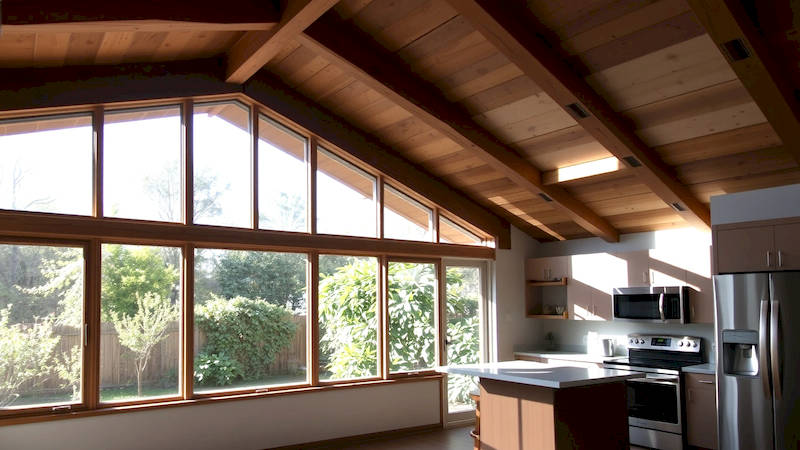
The applications of reclaimed wood are incredibly diverse. It can be used for flooring, wall paneling, furniture, exposed beams, and even kitchen islands. When selecting reclaimed wood, it’s crucial to assess its source and condition. Look for wood that has been properly dried and treated to prevent insects and rot. Species like oak, pine, and maple are commonly reclaimed, offering varying aesthetic qualities and structural properties. Sourcing from reputable suppliers helps ensure quality and traceability.
Beyond its aesthetic appeal and environmental advantages, reclaimed wood offers a unique opportunity to create a home with a sense of history and authenticity. It’s a tangible link to the past, adding warmth and character to any space. Costs can vary significantly depending on the species, condition, and demand, but often, it’s comparable to – or even less than – high-quality new lumber. Ensure the wood has been properly denailed for safety.
Concrete Transformations: Beyond the Gray Slab
Concrete, a ubiquitous building material, also has a significant recycling potential. Crushed concrete from demolished structures can be repurposed for a variety of applications, from creating a base for driveways and patios to serving as aggregate in new concrete mixes. Recycled concrete aggregate (RCA) offers several benefits, including reducing landfill waste, conserving natural aggregate resources, and lowering transportation costs as it can often be sourced locally. RCA typically performs similarly to natural aggregate and can be used in both structural and non-structural concrete applications.
However, not all concrete recycling is limited to aggregate. Companies are now creatively utilizing waste concrete to create polished concrete countertops, flooring, and even decorative elements. This often involves breaking down the concrete, reshaping it, and polishing it to a smooth, attractive finish. The resulting surfaces are durable, unique, and environmentally friendly. The look can range from rustic and industrial to sleek and modern, depending on the finishing techniques used.
One innovative approach involves using “glasscrete,” which incorporates recycled glass into the concrete mix, creating a visually striking and sustainable material. This not only diverts glass from landfills but also adds a unique aesthetic quality. According to studies by the Portland Cement Association, using RCA in concrete mixes can reduce the overall environmental impact by 10-20% compared to using virgin materials. The final outcome is a smarter, more sustainable usage of a common resource.
Recycled Glass: Shimmering Sustainability
Recycled glass is an incredibly versatile material finding its way into numerous home improvement applications. Traditionally, glass recycling focused on creating new glass containers. However, increasingly, it's being repurposed in more creative ways. One prominent use is in countertops, where crushed recycled glass is bound with a resin to create durable, non-porous surfaces. These countertops are stunningly beautiful, offering a unique sparkle and a wide range of color options. They are also resistant to stains, heat, and scratches.
Beyond countertops, recycled glass can be used in tiles for backsplashes, showers, and floors. These tiles come in a variety of shapes, sizes, and colors, offering a sustainable alternative to traditional ceramic or porcelain tiles. Furthermore, recycled glass can be incorporated into landscaping materials, such as mulch and decorative aggregates, adding a pop of color and reducing the need for virgin landscape materials. Glassphalt, a mixture of asphalt and recycled glass, is increasingly being used in road construction, diverting glass from landfills and improving road durability.
The environmental benefits of using recycled glass are significant. It reduces the energy required to manufacture new glass, conserves raw materials like sand and soda ash, and lowers landfill waste. Keep in mind that the appearance of recycled glass products can vary due to the inherent variations in color and texture of the recycled glass itself, adding to their unique character.
Repurposed Metal: Industrial Chic and Robust Solutions
Metal, particularly steel and aluminum, is highly recyclable and offers excellent opportunities for incorporation into home improvement projects. While large-scale metal recycling occurs in industrial settings, homeowners can also find opportunities to repurpose metal items. Salvaged metal roofing can be cleaned and reused, providing a durable and aesthetically unique roofing solution. Metal siding from demolished buildings can be repurposed for accent walls or decorative features.
More creatively, reclaimed metal can be transformed into furniture, lighting fixtures, and decorative artwork. Old pipes can be crafted into industrial-style shelving, and salvaged metal sheets can be used to create unique backsplashes or wall art. The industrial chic aesthetic, popular in modern design, often leverages the raw beauty of repurposed metal. Steel framing is also often reused during demolitions, adding to the sustainability of a project.
Aluminum, in particular, is incredibly energy-efficient to recycle - using up to 95% less energy than producing it from virgin ore. This makes recycled aluminum an exceptional choice for windows, doors, and other exterior elements. When using repurposed metal, always ensure it is properly cleaned and treated to prevent rust and corrosion. Safety is paramount; wear appropriate protective gear when working with metal.
Beyond the Usual: Innovative Recycled Materials
The possibilities extend beyond the materials already discussed. Recycled plastic is increasingly used in decking, fencing, and even exterior siding, offering a durable and low-maintenance alternative to traditional materials. Recycled tires can be shredded and used as a cushioning material for playgrounds or incorporated into rubberized asphalt for driveways. Even agricultural waste, like straw and hemp, can be processed into building materials like insulation and wall panels.
One burgeoning innovation is the use of mycelium – the root structure of mushrooms – as a building material. Mycelium can be grown on agricultural waste to create lightweight, biodegradable insulation and even structural components. This represents a truly circular economy approach, utilizing waste products to create functional and sustainable building materials. Companies are also exploring the use of recycled paper and cardboard to create durable and lightweight wall panels.
Conclusion: Building a Sustainable Future, One Project at a Time
Incorporating recycled materials into home improvement projects is no longer a fringe activity – it’s a necessary step towards a more sustainable future. From the rustic charm of reclaimed wood to the sleek durability of recycled glass countertops, the options are diverse and readily available. The benefits extend beyond environmental responsibility to include unique aesthetics, potential cost savings, and increased home value.
Remember, thorough research is crucial. Source materials from reputable suppliers, assess their quality and condition, and ensure they meet building codes. Embrace the imperfections and unique characteristics of recycled materials – they tell a story and add character to your home. By consciously choosing recycled materials, you're not only improving your living space but also contributing to a healthier planet for generations to come. Start small – perhaps with a recycled glass backsplash or a reclaimed wood accent wall – and gradually incorporate more sustainable practices into your future home improvement endeavors. The future of home building is circular, and you can be a part of that change.
Deja una respuesta