
How to Plan a Functional Kitchen Work Triangle for Efficiency
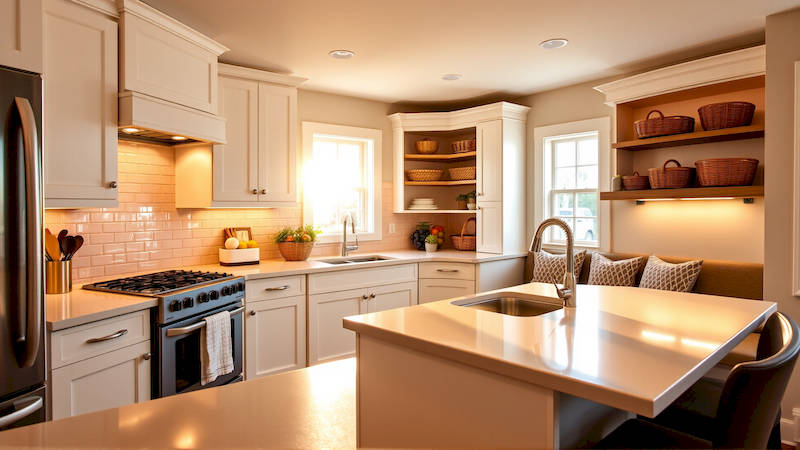
The kitchen, often dubbed the heart of the home, is far more than just a place to prepare meals. It’s a gathering space, a hub of activity, and a reflection of the lifestyle within. A well-designed kitchen fosters joy in cooking, encourages connection, and ultimately, enhances the overall quality of life. However, even the most beautifully styled kitchen can fall short if its layout isn’t functionally optimized. Among the foundational principles of effective kitchen design, the work triangle – connecting the sink, refrigerator, and cooktop – remains remarkably relevant, even in today's increasingly complex kitchen layouts. This article delves into the nuances of planning a functional kitchen work triangle, ensuring a space that’s not only visually appealing but also incredibly efficient.
For decades, the kitchen work triangle has guided designers and homeowners alike, aiming to minimize footsteps and wasted motion during food preparation. While modern kitchen styles have evolved beyond strict adherence to this rule, understanding the underlying principles is crucial for creating a truly workable space. Ignoring the core idea of strategically positioning these key elements can lead to frustrating congestion, inefficient workflows, and a kitchen that feels more chaotic than comfortable. In this age of open-concept living, where the kitchen often seamlessly blends with surrounding spaces, the work triangle’s influence extends beyond pure practicality, impacting traffic flow and social interaction as well.
- Understanding the Core Principles of the Work Triangle
- Adapting the Work Triangle to Modern Kitchens
- Avoiding Common Work Triangle Pitfalls
- Using Kitchen Islands and Peninsulas Strategically
- The Role of Storage in Work Triangle Efficiency
- Incorporating Universal Design Principles
- Conclusion: Creating a Kitchen That Works for You
Understanding the Core Principles of the Work Triangle
The foundational idea behind the work triangle is to minimize the distance a cook travels between the three main work areas: the sink (cleaning & water source), the refrigerator (food storage), and the cooktop/oven (food preparation). Originally proposed in the 1940s, the principle stemmed from observing inefficiencies in pre-planned kitchens and aimed for ergonomic efficiency. The initial recommendation suggested each side of the triangle should fall between 4 and 9 feet for optimal usability. Too short, and the area becomes cramped; too long, and it leads to unnecessary walking. Modern interpretations acknowledge that these measurements can be adjusted based on kitchen size and layout, but the underlying principle of proximity remains essential.
This doesn’t mean rigidly adhering to equilateral triangles. The shape can be adjusted, but maintaining unobstructed pathways between each point is vital. Obstructions like islands, peninsulas, or even poorly positioned furniture disrupt the flow and defeat the purpose of the triangle. Consideration should also be given to clear countertop space around each workstation. Having ample landing space next to the refrigerator for setting down groceries, beside the sink for drying dishes, and near the cooktop for placing hot pans greatly enhances efficiency. Remember, the work triangle isn't just about distance; it's about creating a smooth, uncluttered workflow.
Adapting the Work Triangle to Modern Kitchens
While the original work triangle concept was designed for smaller, more enclosed kitchens, adapting it to today’s often larger, open-concept spaces requires some creative thinking. The introduction of kitchen islands and peninsulas, while offering additional workspace and seating, can potentially disrupt the traditional triangle. One common solution is to create multiple work zones. Instead of a single, defined triangle, segment the kitchen into dedicated areas for prepping, cooking, cleaning, and baking. Each zone will have its own condensed work triangle, focusing on the specific tasks performed there.
For example, a baking zone might include the microwave, mixer, and suitable counter space while a secondary ‘cleanup’ triangle could feature a dishwasher, sink and waste receptacles. Another key adaptation involves considering the “landing zones” within each work area. In a larger kitchen, a dedicated pantry near the refrigerator offers immediate storage for groceries, while a spice rack and utensil holders adjacent to the cooktop ensure frequently used items are within easy reach. Designers increasingly advocate for “zones” rather than one single triangle, recognizing that modern kitchens often support multiple cooks and a wider range of activities.
Avoiding Common Work Triangle Pitfalls
Several design choices can inadvertently sabotage the effectiveness of the work triangle. A prime example is placing the refrigerator or cooktop directly across from a kitchen entrance. This creates a potential traffic bottleneck, forcing the cook to constantly step aside as people enter or exit the kitchen. Similarly, positioning the sink directly under a window can lead to water splashing onto the windowsill and surrounding surfaces, creating a maintenance headache.
Another frequent mistake is ignoring the “major traffic patterns” in the home. Ensure the work triangle doesn’t intersect with the primary pathways used to access other living areas. Blocking these routes with a counter or island can lead to frustration and congestion. Finally, don’t underestimate the importance of doorway swing. A door swinging into the work triangle can disrupt the workflow and create a safety hazard, especially when carrying hot items. Careful consideration of these potential pitfalls during the planning stage can prevent significant inconveniences later on.
Using Kitchen Islands and Peninsulas Strategically
Kitchen islands and peninsulas are incredibly popular design elements, offering increased workspace, storage, and social gathering space. However, they can easily impede the work triangle if not incorporated thoughtfully. A strategically placed island can support the work triangle by housing the sink or cooktop, effectively creating a secondary workstation. However, ensure there’s adequate space – typically at least 36 inches – around the island to allow for comfortable movement.
Peninsulas pose a slightly different challenge. Because they are attached to the surrounding cabinetry, they can potentially restrict access to key appliances. Consider the flow of traffic when designing a peninsula. Ensure it doesn’t block the direct path between the refrigerator and the cooktop. Including storage within the peninsula, such as pull-out shelves or drawers, can maximize space and functionality. Remember, the goal is to integrate the island or peninsula into the overall kitchen layout, enhancing the work triangle rather than hindering it.
The Role of Storage in Work Triangle Efficiency
While the work triangle focuses on the positioning of appliances, efficient storage is inextricably linked to its success. Frequently used items should be stored within easy reach of the corresponding workstation. Pots and pans should be located near the cooktop, while baking sheets and mixing bowls should be readily accessible near the oven. Consider incorporating pull-out shelves, drawer dividers, and vertical storage solutions to maximize space and organization.
The "first in, first out" principle applies to food storage as well – keep older items at the front of the refrigerator and pantry to minimize waste. Well-organized storage not only speeds up food preparation but also reduces clutter, creating a more relaxing and enjoyable cooking environment. As renowned kitchen designer Mick De Giulio states, "A well-planned kitchen isn't just about the layout; it's about making everything you need easily accessible." Investing in quality storage solutions is a vital component of a truly functional kitchen.
Incorporating Universal Design Principles
As our lifestyles evolve, and as we age in place, it’s increasingly important to consider universal design principles when planning a kitchen layout. This means creating a space that’s accessible and usable for people of all ages and abilities. Applying these principles to the work triangle means ensuring ample clearance between countertops and appliances, suitable for wheelchair access. Installing adjustable-height countertops allows for customized comfort for users of different heights.
Lever-style faucets, pull-down sprayers, and touchless operation enhance usability for those with limited dexterity. The work triangle should also be designed with clear pathways, free from obstructions, to minimize the risk of trips and falls. Incorporating universal design principles not only enhances accessibility but also creates a more comfortable and enjoyable kitchen for everyone. It’s a forward-thinking approach to kitchen design that prioritizes inclusivity and long-term usability.
Conclusion: Creating a Kitchen That Works for You
Planning a functional kitchen work triangle is about more than just following a rigid set of rules; it’s about understanding the principles of efficiency, workflow, and ergonomics. The core concept—optimizing the distance between the sink, refrigerator, and cooktop—remains incredibly valuable, even in modern, open-concept kitchens. Adapting the work triangle to accommodate kitchen islands, peninsulas, and multiple work zones is crucial.
Remember to avoid common pitfalls like traffic obstructions and inadequate storage, and consider incorporating universal design principles for long-term usability. The ultimate goal is to create a kitchen that not only looks beautiful but also functions seamlessly, making cooking a joy rather than a chore. By carefully considering these factors, you can transform your kitchen into the heart of your home, a space that truly works for you and your lifestyle. Take the time to map out your kitchen’s layout, prioritize functionality, and invest in quality storage solutions. A well-planned kitchen is an investment in your comfort, convenience, and overall quality of life.
Deja una respuesta