
Incorporating Open Shelving Trends into Your Kitchen Design
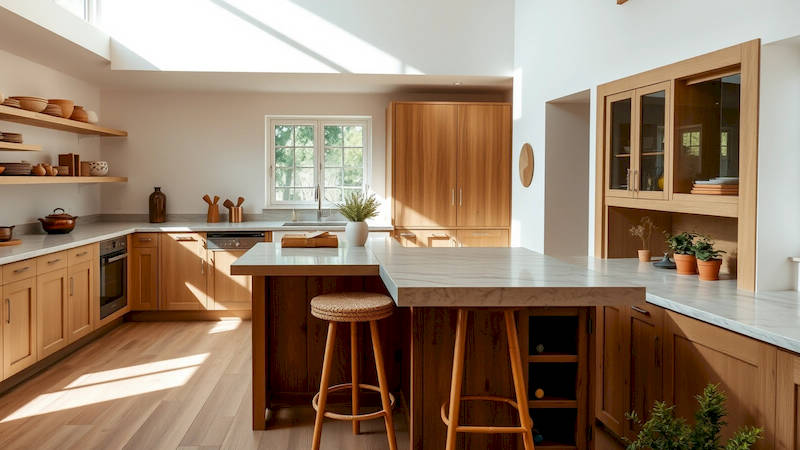
The kitchen, often considered the heart of the home, is a space constantly evolving in both functionality and style. For years, the dominant trend leaned towards concealed storage—cabinets that neatly tucked away clutter and presented a polished, uniform facade. However, a shift is underway. Open shelving has been steadily gaining popularity, moving beyond a fleeting trend to become a staple in modern kitchen design. This isn’t merely an aesthetic choice; it’s a reflection of a desire for more approachable, personalized, and visually interesting spaces. While visually appealing, successfully integrating open shelving requires careful planning and consideration beyond simply removing cabinet doors.
This growing appeal stems from several factors. Open shelving creates a sense of spaciousness, particularly valuable in smaller kitchens. It allows for a more casual and inviting atmosphere, showcasing treasured dishware, cookbooks, and decorative items. Furthermore, open shelves offer easy access to frequently used items, streamlining cooking and meal preparation. But, with increased visibility comes increased responsibility; maintaining a beautifully curated open shelf requires deliberate effort. This article will provide a detailed examination of incorporating open shelving into your kitchen, covering planning, styling, practicality, and potential challenges.
- Understanding the Appeal and Benefits of Open Shelving
- Planning Your Open Shelving Layout: Considerations and Best Practices
- Selecting the Right Shelving Materials and Styles
- Styling Your Open Shelves: Creating Visually Appealing Displays
- The Practical Realities: Dusting, Cleaning and Maintenance
- Counterarguments & Alternatives: When Open Shelving Isn’t the Right Fit
- Conclusion: Embracing the Open Shelving Aesthetic Responsibly
Understanding the Appeal and Benefits of Open Shelving
Open shelving’s popularity isn’t solely based on aesthetics. There's a functional logic driving the trend alongside the visual appeal. Part of the draw is the inherent perception of increased space. Traditional upper cabinets can visually dominate a kitchen, making it feel smaller and more enclosed. Removing these solid structures and replacing them with open shelving instantly lightens the space, allowing more natural light to flow and creating an airy atmosphere. This is particularly impactful in kitchens with limited square footage or lower ceilings. Architect and interior designer, Sarah Richardson, notes, "Open shelving is a great way to break up the monotony of wall cabinets and create visual interest. It makes a kitchen feel more open and inviting.”
Beyond the spatial illusion, accessibility is a major benefit. Everyday dishes, glassware, and spices are within easy reach, eliminating the need to rummage through cluttered cabinets. This practical advantage appeals to cooks who value efficiency and seamless workflow. Open shelving also lends itself to a more dynamic and personal aesthetic. Instead of hiding items away, you can proudly display collections, favorite pieces, and family heirlooms, transforming your kitchen into a reflection of your personality. A curated display, thoughtfully arranged, can add warmth and character that closed cabinetry simply can’t replicate.
However, it's crucial to acknowledge that accessibility also means everything is on show; therefore, conscientious upkeep is essential. This requires a commitment to decluttering and regular dusting, a commitment we’ll explore further as we delve into the practicalities.
Planning Your Open Shelving Layout: Considerations and Best Practices
Before you start removing cabinet doors, meticulous planning is paramount. This isn’t a project to undertake impulsively. Consider the existing layout of your kitchen and how open shelving will integrate with it. Start by deciding which cabinets you’ll convert. A common approach is to remove upper cabinets entirely above a countertop run, leaving the lower cabinets intact. Alternatively, you might opt for a mix of open and closed cabinetry, strategically balancing display space with concealed storage. Don't remove all of your upper cabinets; a combination typically works best for maintaining functionality.
Next, carefully measure the spaces where the shelves will go. Standard shelf depth is typically between 8-12 inches, sufficient for most dishes and glassware. The spacing between shelves will depend on the items you intend to display. Allow ample headroom for taller items and enough clearance to easily reach and retrieve things. Consider the visual weight of your items. Heavier, darker items will appear more prominent, so distribute them strategically. A good rule of thumb is to vary the height and scale of objects to create a more dynamic and balanced display. It is also crucial to consider existing electrical outlets and plumbing when planning the placement of shelves, ensure no interrupting these existing features.
Before installation, also determine the load-bearing capacity of your walls. Open shelves, especially if loaded with heavy dishes, require secure mounting. If you’re unsure about your wall’s structural integrity, consult with a qualified contractor.
Selecting the Right Shelving Materials and Styles
The material of your open shelving plays a significant role in both aesthetics and durability. Wood is a classic choice, offering warmth and character. Popular wood options include oak, maple, walnut, and pine. Each type has a unique grain pattern and color, allowing you to customize the look to match your kitchen’s overall style. However, wood requires regular sealing or finishing to protect it from moisture and wear. "Choosing the right wood is critical," emphasizes interior designer Emily Henderson. "Consider the existing wood tones in your kitchen to create a cohesive look. You don’t want the shelves to clash."
Alternatively, metal shelving offers a more industrial and contemporary aesthetic. Steel and wrought iron are durable and require minimal maintenance. Glass shelving, while visually striking, is less practical, as it requires frequent cleaning to maintain a spotless appearance. Consider the overall aesthetic of your kitchen - farmhouse, modern, or traditional - and choose materials that complement the existing style. The thickness of the shelves is also important; thicker shelves can support more weight and offer a more substantial look, while thinner shelves provide a more delicate and airy feel. Consider hidden bracket systems for a cleaner, more streamlined appearance.
Styling Your Open Shelves: Creating Visually Appealing Displays
Styling open shelves is an art form. It’s about creating a curated display that is both beautiful and functional. Start by grouping items by color, material, or function. This creates a sense of order and visual harmony. Introduce varying heights and textures to add visual interest. Consider arranging items in vignettes – small, intentional groupings that tell a story. Use cookbooks as risers to elevate smaller objects and add a touch of personalization.
Don’t be afraid to incorporate greenery. Small potted plants or fresh flowers can add a pop of color and life to your display. Mixing practical items with decorative objects is key. Display your favorite mugs, bowls, and platters alongside artwork, sculptures, or vintage finds. Avoid overcrowding the shelves. Less is often more. Leave enough negative space to allow each item to breathe. Rotate your displays seasonally to keep things fresh and interesting. Remember, the goal is to create a space that reflects your personality and tells your story.
The Practical Realities: Dusting, Cleaning and Maintenance
The biggest drawback of open shelving is the increased need for cleaning and maintenance. Dust accumulates quickly, and spills are immediately visible. Regular dusting is essential—at least once a week, and more frequently if you live in a dusty environment. Use a microfiber cloth to remove dust and fingerprints. Avoid using harsh cleaning chemicals, as they can damage the shelving material.
For spills, clean them up immediately to prevent staining or damage. Consider using shelf liners to protect the wood and make cleaning easier. While visually effective, shelf liners can diminish the aesthetic of open shelving, so a balance must be struck between protecting the materials and ensuring the intended visual display. Be realistic about your commitment to maintenance. If you’re not willing to dedicate the time and effort required to keep your shelves clean and organized, open shelving may not be the right choice for you.
Counterarguments & Alternatives: When Open Shelving Isn’t the Right Fit
While visually appealing, open shelving isn’t suitable for every kitchen or lifestyle. If you have small children or pets, open shelves can pose a safety hazard. Breakable items can be easily knocked off, and small objects can be a choking hazard. Furthermore, for those prone to clutter, open shelves can quickly become a visual mess, exacerbating the problem rather than solving it.
If you’re concerned about these issues, consider alternatives such as glass-front cabinets. These offer a similar visual openness while still providing protection from dust and accidental breakage. Another option is to incorporate a combination of open and closed shelving, using open shelves for display and closed cabinets for concealed storage. Alternatively, consider sections of open shelving broken up by dedicated pantry cupboards. The best approach depends on your individual needs and preferences.
Conclusion: Embracing the Open Shelving Aesthetic Responsibly
Open shelving represents a significant shift in kitchen design, moving away from concealed storage towards a more open, airy, and personalized aesthetic. While offering numerous benefits – increased spaciousness, accessibility, and visual appeal – it also requires careful planning, diligent maintenance, and a realistic assessment of your lifestyle. Successfully incorporating open shelving involves considering layout, materials, styling, and potential challenges proactively. Remember to select materials appropriate for your kitchen’s style, curate displays thoughtfully, and commit to regular cleaning and organization.
If implemented correctly, open shelving can transform your kitchen into a beautiful and functional space that reflects your personality and culinary passions. However, if you are not prepared for the upkeep or have specific safety concerns, exploring alternatives like glass-front cabinets or a balanced combination of open and closed storage is advisable. By carefully weighing the pros and cons, and approaching the project with mindfulness, you can embrace the open shelving aesthetic responsibly and create a kitchen you'll love for years to come.
Deja una respuesta