
Installing a Basement Bathroom: What You Need to Know
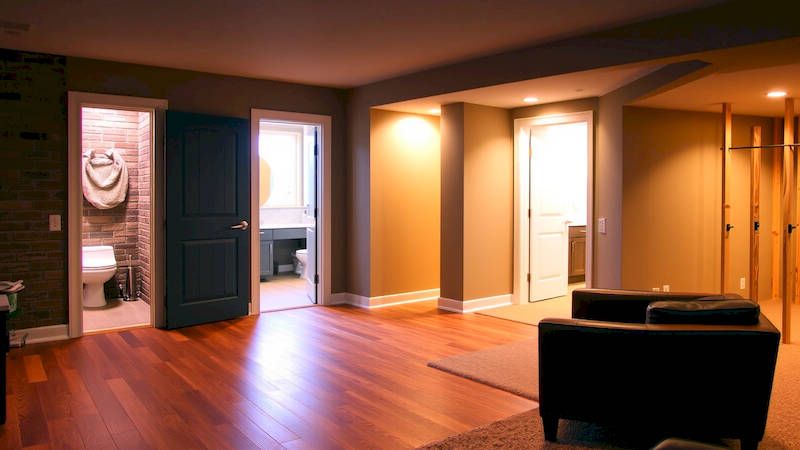
The allure of adding a bathroom to a basement is strong. It transforms unfinished space into valuable living area, increasing home value and providing convenience, particularly for growing families or those frequently hosting guests. Beyond the obvious benefits, a basement bathroom adds a level of self-sufficiency to the space, allowing it to function as a fully-fledged suite, in-law apartment, or entertainment area. However, installing a basement bathroom isn’t as simple as extending plumbing from an upstairs unit. It's a project rife with potential challenges – from navigating building codes and dealing with moisture to understanding the intricacies of ejector pumps. This guide will provide a comprehensive look at everything you need to know before embarking on this home improvement endeavor.
A successful basement bathroom installation requires diligent planning and a realistic understanding of the work involved. Many homeowners underestimate the complexities, leading to unexpected costs and frustrating delays. Proper permitting, adherence to plumbing codes, and a solid grasp of moisture control are paramount to avoiding future headaches. Ignoring these aspects can result in structural damage, mold growth, and costly repairs down the line. And remember, while DIY is possible for experienced homeowners, many aspects – especially plumbing and electrical work – are best left to professionals.
This deep dive will cover everything from initial planning and essential considerations, through plumbing and ventilation requirements, to finishing touches and potential pitfalls to avoid. Whether you envision a simple powder room or a full bathroom with a shower, you’ll find the information needed to approach this project with confidence, ensuring a functional and valuable addition to your home.
- Planning and Permitting: Laying the Foundation for Success
- Plumbing Considerations: The Core of the Project
- Moisture Control: Protecting Your Investment
- Ventilation and Electrical: Maintaining Safety and Comfort
- Finishing Touches and Potential Pitfalls
- Conclusion: A Valuable Addition with Careful Planning
Planning and Permitting: Laying the Foundation for Success
Before even considering fixtures or finishes, thorough planning is essential. Start with a detailed assessment of your basement’s layout, ceiling height, and existing plumbing. Access to existing pipes will drastically reduce the cost and complexity of the project. If your basement is unfinished, the location of support beams and electrical panels will also influence the bathroom’s design. Sketch out potential layouts, keeping in mind the minimum clearances required by local building codes for toilets, showers, and sinks. Consider the flow of traffic and ensure the bathroom doesn't obstruct access to other areas of the basement. Remember, accessible design may be beneficial depending on current or anticipated future needs.
Next comes the often-overlooked but critical step of obtaining the necessary permits. Building permits are required for plumbing, electrical, and structural changes, and failing to obtain them can result in fines and even forced removal of the bathroom. Contact your local building department to determine which permits are needed and what inspections will be required. They will have specific guidelines regarding drainage, ventilation, and accessibility requirements. The permitting process also ensures your work meets safety standards and protects both you and future homeowners. Don't assume previous work was permitted – verify everything!
Finally, budgeting realistically is vital. Beyond the cost of fixtures and labor, factor in potential unexpected expenses such as concealed plumbing issues, mold remediation, or structural reinforcements. A contingency fund of 10-20% is advisable. "Often, homeowners underestimate the cost of running new lines and dealing with concrete floors," says Mark Klein, a licensed general contractor specializing in basement renovations. “Those hidden costs can quickly derail a budget.”
Plumbing Considerations: The Core of the Project
Plumbing is the most complex aspect of installing a basement bathroom, particularly if your main sewer line is higher than the basement floor. In this situation, you'll need an ejector pump system to pump wastewater uphill to the sewer line. This system consists of a holding tank (the ejector pit) and a powerful pump. Selecting the right size pump is crucial – an undersized pump will struggle to handle the wastewater, while an oversized pump can be noisy and inefficient. Consider a system with a battery backup in case of power outages, which can prevent sewage backups. Regular maintenance, including cleaning and inspection of the pump and pit, is vital for long-term reliability.
If gravity drainage is possible, ensure the drain line is sloped correctly (typically ¼ inch per foot) to prevent clogs. The diameter of the drain pipes also needs to be adequate for the anticipated flow. Supply lines for hot and cold water will also need to be run, and properly insulated to prevent freezing in colder climates. PEX piping is a popular choice for its flexibility and ease of installation, but copper or CPVC can also be used. Consider noise reduction strategies – wrapping pipes or using sound-dampening materials can help minimize water hammer and other plumbing noises.
A crucial point often overlooked is access for future repairs. The ejector pump pit should have a readily accessible access panel for maintenance. Plumbing lines should also be routed in a way that allows for easy access if repairs are needed. This foresight can save significant time and money in the long run.
Moisture Control: Protecting Your Investment
Basement bathrooms are particularly susceptible to moisture problems. Leaks, condensation, and humidity can lead to mold growth, wood rot, and structural damage. Therefore, robust moisture control measures are crucial. Begin with thoroughly sealing the basement floor and walls. Even a small crack in the foundation can allow water to seep in. Consider applying a waterproof membrane to the walls and floor, especially in areas around the toilet and shower.
Proper ventilation is also paramount. An exhaust fan vented to the exterior is essential for removing moisture-laden air from the bathroom. The fan should be sized appropriately for the bathroom’s square footage; a general rule of thumb is 1 CFM (cubic feet per minute) per square foot. Consider a fan with a humidity sensor that automatically turns on when humidity levels rise. Dehumidifiers can also be used to supplement ventilation, particularly in damp basements.
Regularly inspect the bathroom for leaks and address them promptly. Pay attention to areas around the toilet, sink, and shower. Monitor for signs of mold growth (discoloration, musty odor) and take action immediately if detected. Investing in a quality waterproofing system and maintaining a vigilant monitoring schedule will protect your investment for years to come.
Ventilation and Electrical: Maintaining Safety and Comfort
Beyond moisture control, proper ventilation contributes to improved air quality and comfort. As mentioned previously, a properly sized and vented exhaust fan is essential, but consider the ductwork. Flexible ductwork can trap moisture and breed mold, so rigid ductwork is preferable. The exhaust fan should terminate outside the house, not into the attic or another enclosed space.
Electrical work must be performed by a licensed electrician and adhere to all local codes. Ground Fault Circuit Interrupters (GFCIs) are required for all bathroom outlets and circuits to protect against electric shock. Properly grounding all electrical components is also vital. Plan the location of outlets carefully, considering the needs of appliances such as hair dryers and electric toothbrushes. Don’t overload circuits; dedicate a separate circuit to the bathroom if possible.
Lighting is another important consideration. Combine ambient lighting (e.g., recessed lights) with task lighting (e.g., vanity lights) to create a functional and inviting space. LED lighting is energy-efficient and long-lasting. Remember to account for any existing ductwork or plumbing when planning electrical runs.
Finishing Touches and Potential Pitfalls
Once the plumbing and electrical work are complete, you can focus on finishing touches such as flooring, walls, and fixtures. Choose moisture-resistant materials such as tile, vinyl, or sealed concrete for the flooring. Mold-resistant drywall is recommended for the walls. When selecting fixtures, prioritize quality and durability. A high-efficiency toilet can save water, and a well-designed showerhead can provide a luxurious experience.
However, be aware of some common pitfalls. Overlooking proper soundproofing can result in noticeable noise transfer to other parts of the house. Ignoring the aesthetic impact of a low ceiling can make the bathroom feel cramped and claustrophobic. Trying to cut corners on materials or labor can lead to problems down the road. Finally, neglecting to properly waterproof the shower enclosure is a common mistake that can result in costly water damage. "The emphasis should always be on preventing water intrusion," states Emily Carter, a bathroom designer with over 15 years of experience. “Investing in quality waterproofing materials and skilled installation is crucial."
Conclusion: A Valuable Addition with Careful Planning
Installing a basement bathroom can significantly enhance your home’s value and functionality. However, it's a complex project that demands careful planning, diligent execution, and adherence to local building codes. Prioritize plumbing and moisture control, ensuring proper drainage, ventilation, and waterproofing. Don't underestimate the importance of permits and professional assistance, especially for electrical and plumbing work. By addressing potential pitfalls upfront and investing in quality materials and workmanship, you can create a beautiful, functional, and long-lasting basement bathroom that will serve your needs for years to come.
Key takeaways include: thorough planning is paramount, permitting is non-negotiable, moisture control is critical, and professional assistance is often essential. Your next step should be to contact your local building department to understand permit requirements and then gather quotes from qualified contractors. Careful preparation will set you on the path to a successful basement bathroom renovation.
Deja una respuesta