
Installing Heated Bathroom Floors: What You Need to Know
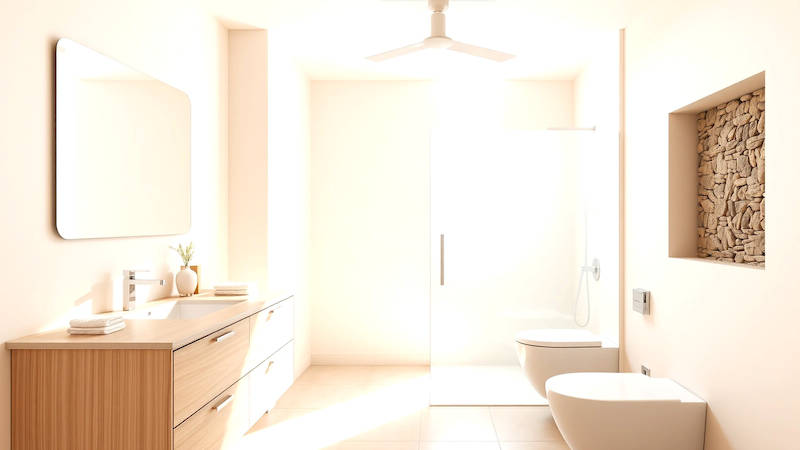
Stepping onto a cold bathroom floor on a chilly morning is a universally unpleasant experience. For decades, homeowners have sought solutions to combat this discomfort, and in recent years, heated bathroom floors have surged in popularity. What was once considered a luxury is becoming increasingly accessible, offering not just comfort but also a touch of sophisticated design and even potential energy savings. Beyond the sheer enjoyment of warm toes, heated floors can improve bathroom ambiance, increase home value, and provide a practical solution for those with mobility issues. This article will delve into everything you need to know about installing heated bathroom floors, from choosing the right system and understanding the installation process, to long-term maintenance and potential cost considerations.
The appeal of heated floors extends beyond mere comfort. Their even heat distribution eliminates cold spots, making the entire bathroom more inviting. Furthermore, heated floors contribute to faster drying times, reducing humidity and mitigating the risk of mold and mildew growth. The perception of warmth also stems from radiating heat, unlike traditional forced-air systems, providing a more natural and comfortable warmth. Considering the increasing focus on home wellness and the desire for enhanced bathroom experiences, it's no surprise that homeowners are investing in this feature. "The demand for heated bathroom floors is consistently rising," notes Sarah Jenkins, a design-build contractor specializing in bathroom renovations. "Clients are seeking that spa-like feel, and heated flooring delivers it beautifully."
This comprehensive guide will walk you through the entire process, equipping you with the knowledge to determine if heated floors are right for your bathroom and, if so, to navigate the installation process successfully. We’ll cover system types, installation methods, costs, and maintenance, allowing you to make informed decisions and enjoy the warmth of a heated bathroom for years to come.
- Understanding the Types of Heated Floor Systems
- Preparing for Installation: Subfloor and System Selection
- Step-by-Step Installation of an Electric Radiant Floor System
- Navigating the Electrical Requirements and Safety Considerations
- Cost Considerations: Materials, Labor, and Long-Term Operation
- Maintaining Your Heated Bathroom Floor & Troubleshooting Common Issues
- Conclusion: Embracing Warmth and Comfort in Your Bathroom
Understanding the Types of Heated Floor Systems
There are three primary types of heated floor systems available to homeowners: electric radiant floor heating, hydronic radiant floor heating, and radiant floor mats. Electric systems are by far the most common for bathroom renovations due to their relative ease of installation, making them ideal for retrofit projects. They utilize electric resistance cables or films to generate heat. Hydronic systems, on the other hand, circulate heated water through tubing embedded in the floor. These systems typically require a boiler and are more suited for new construction or major renovations, as they demand significant plumbing alterations. Radiant floor mats integrate pre-spaced heating cables within a fiberglass mesh, simplifying installation further.
Electric systems are generally categorized into cable systems and film systems. Cable systems offer greater flexibility in floor plan design and are suitable for irregularly shaped bathrooms. These involve manually laying the cables in a serpentine or spiral pattern. Film systems are thinner and simpler to install, working best with consistently shaped spaces. They are essentially sheets of heating elements sandwiched between layers of protective material. Hydronic systems, while achieving higher output, also bring higher installation costs and complexity depending on existing heating infrastructure. The choice between these types strongly depends on your budget, the existing infrastructure, bathroom layout, and DIY skill level.
Preparing for Installation: Subfloor and System Selection
Proper subfloor preparation is absolutely critical for the longevity and performance of any heated floor system. The subfloor must be structurally sound, clean, level, and free of debris. Any unevenness exceeding ⅛ inch over 10 feet needs to be addressed with a self-leveling compound. This ensures even heat distribution and prevents damage to the heating elements. Existing flooring, such as tile or vinyl, must be completely removed. It’s also important to verify that your bathroom’s electrical circuit can handle the additional load of the heating system—typically 12-15 amps per square meter.
Choosing the right system involves several factors beyond the type discussed in the previous section. Calculate the bathroom’s square footage accurately to determine the total wattage required. A general rule is 15 watts per square foot, but this can vary depending on your climate and preferred heating level. Always prioritize systems with built-in thermal protection and GFCI (Ground Fault Circuit Interrupter) functionality for safety. Consider the flooring material you plan to use; certain materials like porcelain and stone are better conductors of heat than others, influencing the system's efficiency. For example, a tile floor will feel warmer than a vinyl floor with the same heating system.
Step-by-Step Installation of an Electric Radiant Floor System
Installing an electric radiant floor system, such as a cable or mat system, involves several key steps. First, begin with the electrical connection: turn off the relevant circuit breaker and connect the heating system's cable to a dedicated circuit. Next, depending on the system chosen, lay out the heating cable or mat according to the manufacturer’s instructions. Cable systems require careful spacing and securing with tape, while mats are simply rolled out and secured. Crucially, avoid overlapping the cables or mats, as this can cause hot spots and system failure.
Once the heating element is in place, a thin layer of self-leveling compound (if required) is poured over it to create a smooth, even surface for the final flooring. This encapsulation protects the heating element and ensures efficient heat transfer. After the self-leveling compound dries, follow the flooring manufacturer’s recommendations for installing your chosen flooring material - tile, stone, or vinyl. Remember to use a flexible thin-set mortar designed for use with radiant floor heating systems, as it can accommodate the expansion and contraction of the heating elements. A thorough testing phase is vital upon completion to ensure the system operates safely and effectively.
Navigating the Electrical Requirements and Safety Considerations
Electrical work is arguably the most critical aspect of heated floor installation, and should only be undertaken by a qualified electrician if you lack sufficient experience. Incorrect wiring can lead to fire hazards or system failure. As mentioned earlier, a dedicated circuit is necessary, typically a 15 or 20-amp circuit. The GFCI protection is paramount, providing a vital safety net in case of ground faults. The thermostat plays a crucial role in controlling the system, offering programmable settings to optimize energy usage and comfort levels.
Many modern thermostats offer smart home integration, allowing you to control the floor temperature remotely via a smartphone app or voice commands. When choosing a thermostat, consider features like programmable schedules, floor sensors for accurate temperature control, and energy monitoring capabilities. Always consult your local building codes and obtain any necessary permits before starting the electrical work. Ignoring these requirements could lead to fines or necessitate costly rework.
Cost Considerations: Materials, Labor, and Long-Term Operation
The cost of installing heated bathroom floors varies significantly depending on the system type, bathroom size, labor rates, and flooring materials chosen. Electric systems are generally less expensive to install initially, with costs ranging from $10 to $20 per square foot, including materials and labor. Hydronic systems can easily exceed $20 per square foot due to the complex plumbing work involved. The cost of the heating system itself typically ranges from several hundred to over a thousand dollars. Flooring materials add to the overall expense, with prices varying widely based on material (tile, stone, vinyl).
Long-term operating costs depend on electricity rates and usage patterns. While heated floors consume energy, they can be surprisingly cost-effective when used judiciously with a programmable thermostat. Consider the benefit of reducing reliance on central heating as the bathroom becomes a comfortable space independent of the whole house's temperature. According to a study by the Radiant & Air Conditioning Company, heated floors typically add between 2-5% to a homeowner’s monthly energy bill, a comparatively modest increase for the enhanced comfort and convenience they provide.
Maintaining Your Heated Bathroom Floor & Troubleshooting Common Issues
Proper maintenance ensures your heated floor operates efficiently and reliably for years to come. Regular cleaning of the flooring material, following the manufacturer’s instructions, is essential. Avoid using harsh chemicals or abrasive cleaners, as these can damage the flooring and potentially the heating elements. Periodically check the thermostat settings and ensure it's operating correctly. If you notice uneven heating or areas that aren't warming up, it could indicate a problem with the heating element or the thermostat.
Common issues include tripped circuit breakers (indicating an overload or short circuit), thermostat malfunctions, and broken heating cables. Always consult a qualified electrician to diagnose and repair any electrical problems. If you're using a hydronic system, inspect the boiler and plumbing connections regularly for leaks. Early detection and proactive maintenance are key to preventing costly repairs and extending the lifespan of your heated floor system.
Conclusion: Embracing Warmth and Comfort in Your Bathroom
Installing a heated bathroom floor is a significant investment that can dramatically enhance your daily routine and add value to your home. From selecting the right system—electric, hydronic, or mat—to ensuring proper subfloor preparation and adhering to strict electrical safety protocols, careful planning and execution are paramount. While the initial costs may seem substantial, the long-term benefits, including increased comfort, reduced humidity, and potential energy savings, make heated floors a worthwhile consideration for many homeowners.
Key takeaways include the importance of electrical safety, the value of choosing a programmable thermostat, and the necessity of proper subfloor preparation. Before embarking on this project, carefully assess your budget, skill level, and the existing infrastructure of your bathroom. By understanding these factors and following the guidance outlined in this article, you can transform your bathroom into a warm and inviting sanctuary. Remember to consult with qualified professionals—electricians, plumbers, and flooring installers—to ensure a safe and successful installation. Embracing the warmth of a heated bathroom floor is not just a luxury; it's an investment in your comfort and well-being.
Deja una respuesta