
Installing Recessed Lighting: Tools, Techniques, and Tips
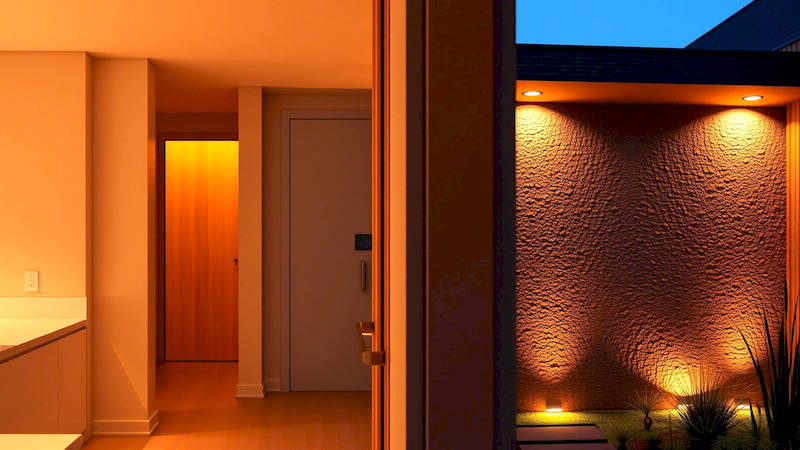
Recessed lighting, also known as can lighting, has become a cornerstone of modern home illumination. Moving beyond purely functional lighting, it provides a clean, streamlined aesthetic, enhances architectural features, and offers versatile illumination options for any room. While often perceived as a complex undertaking best left to professionals, installing recessed lighting is a surprisingly achievable DIY project for homeowners with a moderate level of electrical and carpentry skill. However, it requires meticulous planning, adherence to safety guidelines, and a solid understanding of electrical wiring, building codes, and proper installation techniques.
The benefits of recessed lighting extend beyond aesthetics. It maximizes ceiling space, making rooms feel larger and more open, and eliminates the visual clutter of hanging fixtures. Energy efficiency is another significant advantage, especially with the switch to LED recessed lights. According to the U.S. Department of Energy, LED bulbs use up to 75% less energy and last 25 times longer than incandescent bulbs. “Properly planned and installed recessed lighting dramatically increases a home’s visual appeal and resale value,” states interior design consultant, Sarah Klein, “but a poorly executed installation can be both dangerous and costly to rectify.” This article will serve as a comprehensive guide, covering everything from initial planning and tools required to the step-by-step installation process and essential safety considerations.
Planning Your Recessed Lighting Layout
Before you even think about purchasing lights or cutting into your ceiling, careful planning is critical. Start by defining the room's purpose and the overall desired ambiance. Kitchens and home offices demand brighter, more focused lighting than bedrooms or living rooms, for example. Consider how the space is used, where tasks are performed, and any focal points you want to highlight. Sketching a layout on graph paper, or utilizing online lighting design tools, is a valuable first step. Mark the locations of furniture, cabinets, and walkways to ensure lights aren't obstructed and provide adequate illumination where it's needed.
Spacing is perhaps the most important element of layout design. A common rule of thumb for general ambient lighting is to space recessed lights 4-6 feet apart, but this depends on the fixture's beam angle and the ceiling height. Wider beam angles require greater spacing, while higher ceilings necessitate more fixtures to achieve adequate brightness. Don't forget to consider existing ceiling joists! You’ll want to position lights between joists whenever possible to avoid extensive, and structurally compromising, framing modifications. It's also essential to verify local building codes; some jurisdictions require specific clearances from walls and other obstructions. Remember, anticipating potential issues before you start cutting is far easier than dealing with them mid-project.
Finally, determine the type of recessed lighting you want. Options include new construction (IC-rated vs. non-IC-rated – crucially important, see section below) and remodel housings. New construction housings are installed before drywall is up, while remodel housings are designed to be installed from below in finished ceilings. LED recessed lights come in integrated (the LED is part of the fixture) and retrofit (LED bulbs can be used in standard recessed fixtures) varieties, each with its own advantages in terms of cost, lifespan, and energy efficiency.
Understanding IC-Rated vs. Non-IC-Rated Housings & Safety
This is arguably the most important safety consideration in recessed lighting installation. "IC" stands for “Insulation Contact,” and IC-rated housings are designed to be safely covered with insulation material. Non-IC-rated housings are not – allowing insulation to touch them creates a fire hazard. Using the wrong type of housing is a serious safety violation and can have devastating consequences. Always check the housing’s label (it’s usually printed on the metal can) to confirm its rating. If you are unsure, always choose IC-rated.
Furthermore, before starting any electrical work, always turn off the power to the circuit at the breaker box. Double-check with a non-contact voltage tester to ensure the wires are de-energized. Wear appropriate safety gear, including eye protection, gloves, and a dust mask. Properly grounding the fixtures is also crucial to prevent electrical shock. Never attempt to work with wiring if you're uncomfortable or unsure about the process; consult a qualified electrician. Electrical codes vary by location, so research and adhere to local regulations throughout the installation process. Consider taking a weekend course on basic electrical work; this can provide a fundamental understanding of safety practices and proper wiring techniques.
Finally, be mindful of asbestos. Homes built before the 1980's may have asbestos-containing materials in the ceiling. If you suspect asbestos is present in the ceiling texture or drywall, do not disturb it. Hire a qualified asbestos abatement professional.
Tools and Materials Checklist
Assembling the right tools and materials before beginning the project will significantly streamline the installation process. Here’s a comprehensive list:
- Recessed Lighting Housings & Trims: Choose the appropriate type and quantity based on your layout.
- Electrical Wire: Typically 14/2 or 12/2 NM-B cable, depending on the circuit breaker amperage.
- Wire Connectors (Wire Nuts): For safely joining wires.
- Non-Contact Voltage Tester: To verify power is off.
- Drywall Saw or Hole Saw Kit: For cutting holes in the ceiling. A hole saw kit specifically designed for recessed lighting is highly recommended. It provides clean, precise cuts.
- Electrical Tape: For insulating exposed wires.
- Wire Strippers/Cutters: For preparing electrical wires.
- Screwdrivers (Various Types): To secure fixtures and housings.
- Drill with Drill Bits: For pilot holes and mounting brackets.
- Fish Tape: For running wires through walls or ceilings.
- Level: To ensure fixtures are installed straight.
- Safety Glasses, Gloves, and Dust Mask: Essential personal protective equipment.
- Stud Finder: To locate ceiling joists.
- Utility Knife: For scoring drywall.
Step-by-Step Installation: A Detailed Guide
With your planning complete and tools assembled, it's time for installation. This assumes you're using remodel housings, as those are more common for DIY projects.
- Cut the Holes: Using the template provided with the recessed light kit, carefully trace the outline of the fixture onto the ceiling. Then, using a drywall saw or hole saw, cut out the holes. Be precise! A slightly oversized hole is more difficult to fix than a slightly undersized one.
- Run the Wiring: Run the electrical cable from the power source to each fixture location. Use fish tape if necessary to navigate through walls or ceilings. Ensure the cable is securely fastened and protected as it runs through framing members.
- Connect the Wiring: Carefully strip the insulation from the ends of the wires. Connect the black (hot) wire to the black wire of the fixture, the white (neutral) wire to the white wire, and the bare copper (ground) wire to the green or bare copper ground wire. Secure the connections with wire connectors, ensuring they are tight and properly insulated.
- Install the Housing: Insert the recessed light housing into the hole. Secure it to the ceiling using the provided mounting brackets, ensuring it's level and flush with the surface.
- Install the Trim: Attach the trim piece to the housing. This typically involves twisting or clipping it into place.
- Repeat for Each Fixture: Repeat steps 1-5 for each recessed light fixture in your layout.
- Test and Enjoy: Restore power to the circuit and test each fixture. If all works correctly, congratulations! You've successfully installed recessed lighting.
Troubleshooting Common Issues
Even with careful planning, you may encounter problems during installation. Here are a few common issues and how to address them:
- Wiring Issues: Loose wire connections are a frequent cause of flickering or non-functioning lights. Double-check all connections and ensure they are secure.
- Fixture Not Flush: If the trim doesn't sit flush with the ceiling, adjust the mounting brackets.
- Overheating: This could indicate a non-IC-rated housing being covered with insulation, or a faulty fixture. Immediately turn off the power and investigate.
- Tripping Breaker: A tripped breaker often indicates a short circuit - carefully re-inspect all wiring before turning power back on.
Beyond the Basics: Dimmers & Smart Lighting
Once your recessed lighting is installed, consider enhancing its functionality with dimmers and smart lighting controls. Dimmers allow you to adjust the brightness of the lights, creating different moods and saving energy. Smart lighting systems, such as those from Lutron Caséta or Philips Hue, allow you to control your lights remotely using your smartphone or voice assistants. These features add convenience, energy savings, and increased control over the lighting in your home. Modern LED recessed lights are often compatible with a wide range of dimmers, but it’s important to check the fixture’s specifications to ensure compatibility before purchasing a dimmer.
In conclusion, installing recessed lighting can dramatically transform the look and feel of your home. It requires careful planning, diligent attention to safety, and a methodical approach. Remember the crucial importance of IC-rated housings, always disconnecting power before working with electricity, and adhering to local building codes. By following the steps outlined in this guide, you can confidently tackle this project and enjoy the many benefits of beautifully illuminated spaces. Don’t hesitate to consult a qualified electrician if you encounter any challenges or feel uncomfortable with any aspect of the installation. Ultimately, a thoughtfully designed and expertly installed recessed lighting system will enhance your home's aesthetic appeal, improve its functionality, and increase its value for years to come.
Deja una respuesta