
Modern Bathroom Lighting: Fixture Choices and Installation Tips
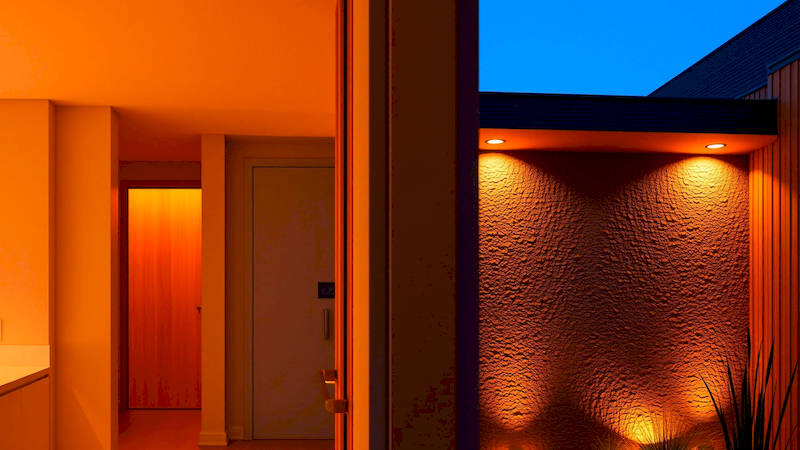
The bathroom, once solely a functional space, has evolved into a personal sanctuary – a place for relaxation, rejuvenation, and self-care. Consequently, bathroom design has become increasingly sophisticated, and lighting is no longer an afterthought but a crucial element shaping the overall ambiance and usability. Poor lighting can make even the most beautifully designed bathroom feel cold and uninviting, while well-planned illumination can dramatically enhance its aesthetic appeal and practical function. Beyond aesthetics, adequate bathroom lighting is essential for tasks like grooming, applying makeup, and simply navigating the space safely.
Modern bathroom lighting goes far beyond a single overhead fixture. It’s about layering light – combining ambient, task, and accent lighting to create a balanced and versatile scheme. This article will delve into the diverse world of modern bathroom lighting, exploring the fixture choices available, offering practical installation tips, and helping you create a bathroom that is both stylish and functionally brilliant. We'll consider everything from understanding color temperature to navigating electrical codes, empowering you to confidently plan and execute a successful bathroom lighting renovation.
- Understanding the Layers of Bathroom Lighting
- Fixture Choices for a Modern Bathroom
- Color Temperature and Bathroom Lighting
- Electrical Considerations & Safety First
- Installation Tips for Common Bathroom Fixtures
- Smart Bathroom Lighting & Future Trends
- Conclusion: Illuminating Your Bathroom Sanctuary
Understanding the Layers of Bathroom Lighting
The foundation of effective bathroom lighting lies in understanding the three primary layers: ambient, task, and accent. Ambient lighting provides overall illumination, essentially mimicking natural daylight. Think of it as the general, foundational layer. This is often achieved with recessed lighting, a central ceiling fixture, or a well-placed bathroom fan/light combination. However, modern designs often favor a softer, more diffused ambient light source to avoid harsh shadows. Dimmer switches are invaluable for ambient lighting, allowing you to adjust the intensity to match your mood or the time of day.
Task lighting focuses intense illumination on specific areas for practical purposes, such as the vanity. This is arguably the most critical layer, ensuring you have adequate light for shaving, applying makeup, or other grooming routines. Sconces flanking a mirror are a popular choice, providing even illumination and minimizing shadows. Alternatively, a dedicated vanity light bar can also serve this purpose. The key is to ensure the light source is positioned at eye level and angled to avoid glare. Finally, accent lighting adds visual interest and highlights architectural features or decorative elements. This could include lighting inside cabinets, under vanities, or spotlights directed at artwork.
Data from the National Kitchen & Bath Association (NKBA) shows that 83% of bathroom renovations include lighting updates, highlighting its increasing importance in bathroom design. Integrating all three layers creates a harmonious and functional space, enhancing both the aesthetic appeal and the practical usability of the bathroom.
Fixture Choices for a Modern Bathroom
The range of bathroom lighting fixtures is vast, encompassing everything from classic designs to cutting-edge innovations. Vanity lighting remains a cornerstone, with options like sconces, light bars, and integrated mirror lights gaining popularity. Sconces offer a classic and elegant look, while light bars provide more even illumination. Integrated mirror lights, often with built-in defogging features, are a sleek and modern choice, maximizing space and providing focused light. When selecting fixtures, consider the style of your bathroom - a minimalist space might benefit from streamlined designs, while a more traditional bathroom could pair well with ornate sconces.
Beyond the vanity, recessed lighting is incredibly versatile, offering clean, unobtrusive ambient illumination. LED recessed lights are particularly energy-efficient and long-lasting, making them an excellent investment. Shower lighting is another often-overlooked yet impactful element. Waterproof recessed lights or strip lighting can significantly enhance the showering experience, improving safety and creating a spa-like ambiance. Furthermore, don't underestimate the power of decorative pendants or chandeliers, particularly in larger bathrooms with higher ceilings. These can add a touch of luxury and personality to the space.
Color Temperature and Bathroom Lighting
Color temperature, measured in Kelvins (K), significantly impacts the feel of a bathroom. Warm white light (2700K-3000K) creates a cozy and relaxing atmosphere, ideal for a spa-like retreat. This is often preferred for bathrooms used primarily for relaxation. Cool white light (3500K-4100K) provides a brighter, more energetic feel, resembling daylight. This can be beneficial for bathrooms used for grooming and tasks requiring high visibility.
However, the latest trend leans towards a warmer color temperature even for task lighting. Experts recommend avoiding excessively cool light in bathrooms as it can cast unflattering shadows and make skin tones appear washed out. “The goal is to replicate natural daylight as closely as possible, but with a softer tone,” explains interior designer Sarah Johnson. “A color temperature around 3000K-3500K is a good starting point for most bathrooms, especially when paired with dimmer switches for adjustable brightness.” Mixing color temperatures can also be effective, using warmer tones for ambient and accent lighting and slightly cooler tones for task lighting.
Electrical Considerations & Safety First
Before embarking on any bathroom lighting installation, safety is paramount. Bathrooms are considered wet locations, requiring adherence to strict electrical codes to prevent electrocution. Ground Fault Circuit Interrupters (GFCIs) are mandatory for all bathroom circuits, protecting against electrical shock in the event of a ground fault. All fixtures must be rated for damp or wet locations, depending on their proximity to water sources.
Installation should ideally be handled by a qualified electrician, especially if you're unfamiliar with electrical work. If you're attempting a DIY installation, always turn off the power at the breaker before starting and carefully follow the manufacturer's instructions. Ensure all wiring connections are secure and properly insulated. Consider the bathroom's ventilation as well; proper ventilation helps prevent moisture buildup, which can damage electrical components. Never attempt to install electrical fixtures while standing in water or on a wet surface.
Installation Tips for Common Bathroom Fixtures
Installing bathroom lighting fixtures can range from relatively simple to quite complex. Replacing an existing light fixture is generally straightforward – turn off the power, disconnect the old fixture, and connect the new one, ensuring all wiring is properly connected. Recessed lighting installation, however, requires cutting holes in the ceiling and running electrical wiring, which is best left to a professional. When installing vanity sconces, carefully measure the placement to ensure they are at eye level and evenly spaced on either side of the mirror.
“A common mistake is failing to properly secure the mounting brackets for sconces and light bars,” cautions electrician Mark Thompson. “This can lead to fixtures becoming loose over time, potentially causing a safety hazard.” For strip lighting, ensure the adhesive is strong enough to hold it securely in place, and use silicone sealant to protect the connections from moisture. Regularly inspect all fixtures for any signs of damage or corrosion, and immediately address any issues that arise.
Smart Bathroom Lighting & Future Trends
Smart bathroom lighting is rapidly gaining traction, offering enhanced control, convenience, and energy efficiency. Smart bulbs and fixtures can be controlled via smartphone apps or voice assistants, allowing you to adjust brightness, color temperature, and even create custom lighting scenes. Many smart systems also integrate with other smart home devices, such as motion sensors and timers.
Looking ahead, expect to see even greater integration of technology into bathroom lighting. Chroma therapy lighting, utilizing different colors of light to influence mood and well-being, is gaining popularity. Biophilic design, incorporating natural elements, will likely influence lighting choices, with a focus on mimicking natural sunlight patterns. Furthermore, advancements in LED technology will continue to drive down costs and improve efficiency, making sophisticated bathroom lighting more accessible to everyone.
Conclusion: Illuminating Your Bathroom Sanctuary
Creating the ideal bathroom lighting scheme is a multifaceted process that requires careful planning and attention to detail. By understanding the layers of light – ambient, task, and accent – and selecting the right fixtures, you can transform a functional space into a relaxing and inviting sanctuary. Don't underestimate the importance of color temperature, opting for warmer tones for a cozy ambiance while ensuring adequate illumination for grooming tasks. Prioritizing safety through proper electrical installations and adhering to local codes is crucial.
The key takeaways are to layer your lighting, choose fixtures reflecting your style, pay close attention to color temperature, prioritize safety with GFCI protection, and consider embracing smart technology for enhanced control and convenience. Start by assessing your current bathroom layout and identifying areas where lighting can be improved. Then, carefully plan your lighting scheme, considering the function of each area and the overall aesthetic you want to achieve. With a little research and planning, you can illuminate your bathroom sanctuary to perfection.
Deja una respuesta