
Smart Home Integration for Aging in Place: Safety and Convenience Tips
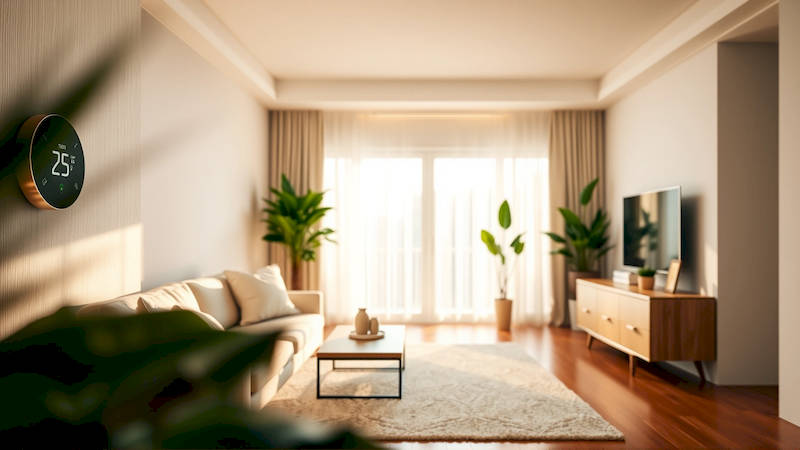
The desire to remain independent and within the comfort of one's own home is a deeply held aspiration for most people as they age. However, maintaining this independence can become increasingly challenging with age-related physical and cognitive changes. Fortunately, advancements in smart home technology offer an unprecedented opportunity to support aging in place – enabling seniors to live safely, comfortably, and with greater autonomy for longer. This isn't simply about futuristic gadgets; it’s about thoughtfully integrating technology to address specific needs, enhance quality of life, and provide peace of mind for both seniors and their families.
The growing senior population is driving significant demand for aging-in-place solutions. According to the U.S. Census Bureau, the number of Americans aged 65 and older is projected to nearly double between 2012 and 2060. This demographic shift is not only impacting healthcare systems but also the housing market and the need for innovative technologies that can facilitate independent living. Smart home integration offers a proactive approach to addressing potential challenges before they become problems, offering preventative measures and responsive assistance when required.
This article will delve into practical strategies for integrating smart home technology to support aging in place, focusing on safety, convenience, and the enhancement of overall well-being. We’ll explore specific technologies, discuss implementation considerations, and offer valuable tips to ensure a successful and impactful integration, moving beyond simple adoption to genuinely supportive solutions. We’ll also address some common concerns and misconceptions surrounding smart home tech for seniors, ensuring information provided is accessible and practical regardless of technological familiarity.
Enhancing Safety with Smart Sensors and Monitoring
Safety is often the paramount concern when considering aging in place. Falls are a leading cause of injury and hospitalizations for seniors, making preventative measures critical. Smart home technology provides numerous tools to mitigate these risks, ranging from simple motion sensors to sophisticated fall detection systems. Implementing a network of strategically placed sensors can create a virtual safety net, allowing for immediate alerts in case of an emergency.
Consider the use of passive infrared (PIR) motion sensors in key areas like the bathroom, kitchen, and bedroom. These sensors detect movement and can be programmed to send notifications to caregivers if no activity is detected during expected times, potentially indicating a fall or other health issue. Beyond basic motion detection, wearable fall detection devices – often in the form of watches or pendants – automatically call for help when a fall is detected, even if the individual is unable to respond. These devices utilize accelerometers and algorithms to differentiate between a fall and other movements. Importantly, proper set-up and testing of these systems with the individual are crucial to minimize false alarms and ensure timely responses during genuine emergencies.
Further enhancing safety involves monitoring for environmental hazards. Smart smoke detectors and carbon monoxide detectors not only alert residents but can also automatically contact emergency services. Water leak sensors can detect potential plumbing issues, preventing costly damage and hazardous conditions like slip-and-fall risks. “Integrating these layered safety technologies provides a greater sense of security, not just for the senior, but also for their family members who may live at a distance,” states Dr. Eleanor Vance, a geriatric specialist at the University of California, San Francisco.
Simplifying Daily Tasks with Smart Automation
Beyond safety, smart home technology can significantly enhance convenience and independence by simplifying daily tasks. Automating routine functions can reduce physical strain and cognitive load, enabling seniors to maintain a higher quality of life. This includes controlling lighting, temperature, and appliances with voice commands or automated schedules. Utilizing smart plugs, for example, allows for easy remote control of lamps, fans, and other devices, eliminating the need to bend, stretch, or reach.
Smart thermostats learn a senior’s preferences and automatically adjust the temperature, creating a comfortable environment without manual intervention. Voice-activated assistants like Amazon Alexa or Google Assistant can be invaluable tools for controlling various smart devices, making phone calls, playing music, and setting reminders. These assistants offer hands-free operation, which can be particularly beneficial for individuals with limited mobility or dexterity. Furthermore, smart appliances, like robotic vacuum cleaners, can automate household chores, freeing up time and energy for more enjoyable activities.
However, it’s vital to prioritize ease of use when selecting automation devices. Complex interfaces and complicated programming can be frustrating for seniors. Opt for devices with intuitive controls, clear voice commands, and minimal setup requirements. Consider partnering with a professional installer to ensure proper configuration and integration, tailoring the system to the specific needs of the individual.
Utilizing Smart Lighting for Enhanced Visibility and Security
Lighting plays a crucial role in both safety and well-being, particularly as vision naturally declines with age. Smart lighting systems offer a range of features designed to address these challenges, enhancing visibility and providing added security. Adjustable brightness levels allow for customized illumination based on time of day and individual preferences. Automatically increasing light levels during nighttime provides crucial illumination to prevent falls and enhance visual acuity.
Smart bulbs can be programmed to turn on and off at specific times, simulating occupancy and deterring potential intruders when the home is empty. Motion-activated lighting in hallways, stairways, and outdoor areas provides instant illumination when needed, reducing the risk of trips and falls. Implementing geofencing allows lights to automatically turn on as the senior approaches the house and off when they leave, promoting safety and energy efficiency.
Beyond functional benefits, smart lighting can also contribute to improved mood and cognitive function. Circadian rhythm lighting, which mimics natural sunlight patterns, can help regulate sleep-wake cycles and enhance overall well-being. Choosing bulbs with adjustable color temperatures allows for creating a more stimulating environment during the day and a relaxing ambiance in the evening. “The right lighting can make a significant difference in a senior’s ability to navigate their home safely and comfortably,” explains Sarah Chen, a certified aging-in-place specialist.
Integrating Communication and Remote Care Tools
Maintaining social connections and access to remote care are vital aspects of aging in place. Smart home technology facilitates communication and remote monitoring, enabling seniors to stay connected with loved ones and receive timely support when needed. Video conferencing devices simplify virtual visits with family and friends, combating social isolation and promoting emotional well-being. Dedicated video calling devices, like the GrandPad or Amazon Echo Show integrated with video calls, offer user-friendly interfaces designed specifically for seniors with limited tech experience.
Remote health monitoring devices, such as smart scales, blood pressure monitors, and glucose meters, can transmit vital health data to caregivers or healthcare providers, enabling proactive management of chronic conditions. These devices provide valuable insights into a senior’s health status, allowing for early detection of potential problems. Smart medication dispensers remind seniors to take their medication on time and can automatically dispense the correct dosage, improving medication adherence.
Furthermore, smart doorbells with video capabilities allow seniors to see and speak to visitors without opening the door, enhancing their safety and security. Remote access control systems allow caregivers to remotely unlock doors for healthcare professionals or emergency responders. These technologies work synergistically to create a connected care ecosystem, promoting independence while ensuring access to necessary support.
Addressing Concerns and Ensuring Privacy
While the benefits of smart home technology for aging in place are significant, it’s important to address potential concerns, particularly regarding privacy and security. Seniors may be hesitant to adopt technology that they perceive as invasive or complicated. Transparency and open communication are crucial to building trust and alleviating these concerns. Carefully explain the purpose of each device and how data is collected and used, ensuring the individual understands their rights and options.
Robust security measures are essential to protect sensitive data from unauthorized access. Choose devices from reputable manufacturers with strong security protocols, and regularly update software to patch vulnerabilities. Utilize strong passwords and enable two-factor authentication whenever possible. Consider segmenting the smart home network, creating a separate network for smart devices to isolate them from sensitive data on other devices.
“Privacy is paramount,” emphasizes Dr. Vance. “It’s crucial to involve the senior in the decision-making process and respect their preferences. Always obtain their consent before implementing any monitoring technologies and provide them with control over their data.” Regularly review privacy settings and ensure that data collection is limited to what is necessary for providing support and enhancing safety.
In conclusion, smart home integration offers a powerful toolkit for supporting aging in place, enhancing safety, convenience, and overall well-being. By thoughtfully selecting and implementing a network of smart devices, tailored to the specific needs of the individual, seniors can maintain their independence and quality of life for longer. Remember that successful integration requires a focus on ease of use, robust security measures, and open communication with the senior and their family. The key takeaway is that technology shouldn't replace human interaction, but rather enhance it, providing a supportive ecosystem that empowers seniors to live fulfilling lives in the comfort of their own homes. The actionable next step is to assess individual needs, research available technologies, and consult with professionals to create a customized smart home solution that promotes independence, safety, and peace of mind.
Deja una respuesta