
Step-by-Step Guide to Installing a Pot Filler Faucet Over Your Stove
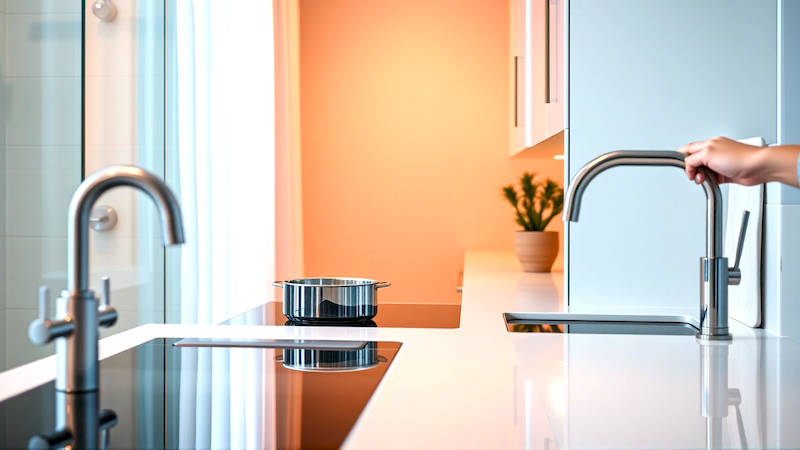
The kitchen is often hailed as the heart of the home, and its functionality is paramount. Increasingly, homeowners are seeking ways to elevate this space beyond aesthetics, focusing on convenience and efficiency. One frequently overlooked upgrade that delivers both is a pot filler faucet – a dedicated faucet installed directly over the stove, providing easy access to water for filling large pots. Beyond simple convenience, pot fillers reduce the risk of spills during the often precarious journey from sink to stove, saving you time, effort, and potential messes. This comprehensive guide will walk you through every step of installing a pot filler faucet, ensuring a successful and safe upgrade to your kitchen. From initial planning and tool gathering to the final connections and testing, we'll cover everything you need to know to confidently tackle this project.
Installing a pot filler isn’t necessarily a project exclusively for professional plumbers, but it does require a fair degree of DIY skill, understanding of basic plumbing, and diligent attention to detail. Mistakes can lead to leaks, water damage, and frustrating repairs, so proper preparation and execution are crucial. We’ll demystify the process, breaking it down into manageable stages, and offer practical advice for navigating common challenges. Ignoring building codes or performing shoddy work could have significant consequences, so we'll also touch on safety and compliance.
Planning and Preparation: Assessing Your Kitchen and Gathering Tools
Before even thinking about touching a wrench, careful planning is essential. You’ll need to assess your wall construction. Pot fillers require access to a water supply within the wall. This means identifying if there’s existing plumbing near your stovetop or if you’ll need to run new lines, a significantly more complex undertaking. Most pot fillers require a 1/2-inch or 3/8-inch water supply line and a corresponding hole through the wall. Consider the height of your cooktop and the reach of the pot filler arm to determine the ideal mounting location – typically 4-12 inches above the cooktop surface.
Next comes the toolbox inventory. You'll need a variety of tools, including a stud finder (crucial for safe drilling), a drill with various sized bits (including a hole saw appropriate for your pot filler’s spout), pipe wrench, adjustable wrench, channel-lock pliers, Teflon tape, a level, safety glasses, a pencil, a measuring tape, and potentially a drywall saw or rotary tool for cutting the wall opening. A basin or towels to catch drips is also highly recommended. Don't skimp on quality tools – they'll make the job easier and reduce the risk of damaging plumbing or your walls. A plumber’s snake can also be handy for fishing wires or pipes through the wall cavity, depending on your setup.
It’s also time to choose your pot filler. Styles range from traditional to modern, and spouts come in various lengths and configurations (single-jointed, double-jointed, etc.). Double-jointed spouts offer greater flexibility, but single-jointed designs are often more streamlined. Consider the finish to match your existing kitchen hardware. According to a 2023 report by the National Kitchen and Bath Association (NKBA), over 60% of kitchen remodels prioritized increased convenience features, which pot fillers directly address.
Accessing the Water Supply and Creating the Wall Opening
Once you’ve selected your pot filler and gathered your tools, it’s time to gain access to the plumbing and create the necessary opening in the wall. This is the most challenging part of the installation for many DIYers. Using a stud finder, locate the wall studs surrounding your desired mounting location. You absolutely must avoid drilling into studs – that's where your mounting bracket will secure. Mark the outline of the hole required for the pot filler’s spout and connection pipe directly onto the wall, ensuring it’s centered between the studs.
Carefully cut the hole using a drywall saw or a rotary tool. Start with a smaller pilot hole and gradually expand it to the correct size. Take your time; it’s far easier to enlarge a hole than to repair one that's too big. Once the hole is created, inspect the wall cavity. You need to confirm the presence of plumbing or adequate space to run new supply lines. If running new lines, you'll need to access them from either the basement, attic, or an adjacent room. "One common oversight is underestimating the effort involved in running new water lines," notes veteran plumber Mark Stevens, "It often involves opening up walls and ceilings, which adds significant complexity."
Connecting the Water Supply Lines
With the hole created and water access confirmed, it’s time to connect the water supply lines. Always shut off the water supply to the area you’re working on before proceeding! This is a non-negotiable safety step. Begin by threading a pipe nipple (the threaded pipe that extends from the wall) into the existing hot and cold water supply lines. Use Teflon tape on all threaded connections to prevent leaks – wrap it clockwise around the threads. Using your pipe wrench and adjustable wrench, tighten the connections securely, but avoid over-tightening, which could damage the pipes.
Next, connect the pot filler’s supply lines to the pipe nipples. Again, use Teflon tape and tighten securely. Many pot filler faucets include a supply line with a shut-off valve integrated into it, allowing you to isolate the pot filler for maintenance without shutting off the water to the entire kitchen. This is a highly recommended feature. Double-check all connections for tightness and ensure there are no visible gaps or leaks. A small bucket placed beneath the connections while you turn the water supply back on (slowly) will help you identify any drips.
Mounting the Pot Filler Body and Spout
With the water supply lines securely connected, you can now mount the pot filler body to the wall. Position the mounting bracket against the wall, ensuring it’s level and centered within the hole. Mark the screw holes and pre-drill pilot holes using an appropriately sized drill bit. Secure the mounting bracket to the wall studs using screws. Make absolutely sure the bracket is firmly attached - it will bear the weight of the faucet and the force of water pressure.
After the bracket is securely mounted, carefully attach the pot filler body to the bracket, following the manufacturer’s instructions. The spout then connects to the body. For spouts with multiple joints, ensure they move freely and smoothly. Tighten all connecting hardware according to the manufacturer's specifications. Before proceeding, take a moment to visually inspect the entire assembly, ensuring all components are properly aligned and secured. A common mistake is forcing fittings together, which can crack or damage pipes.
Testing for Leaks and Final Adjustments
The moment of truth: testing for leaks! Slowly turn on the hot and cold water supply valves. Carefully inspect all connections for any signs of dripping or water accumulation. If you detect a leak, immediately shut off the water supply and tighten the connection further. Repeat this process until all leaks are eliminated. It may take several attempts to achieve a completely leak-free connection.
Once you’ve confirmed there are no leaks, test the pot filler’s functionality. Rotate the spout through its full range of motion, ensuring it doesn't bind or catch. Check the water flow from both the hot and cold sides. If the flow rate is low, check for any kinks in the supply lines or obstructions in the faucet itself. Many pot fillers also have adjusters to regulate water flow and temperature. Ensure these are functioning correctly. Finally, clean up any debris or dust from the installation process and admire your handywork!
Addressing Potential Challenges and Considerations
While the above steps provide a comprehensive guide, expect potential hurdles. Older homes often have non-standard plumbing systems, requiring adapters or creative solutions to ensure compatibility. Working with galvanized steel pipes (common in older homes) can be particularly challenging. If you encounter unfamiliar plumbing configurations or feel uncomfortable making connections, consulting a professional plumber is always a wise decision. Furthermore, be mindful of electrical wiring within the wall cavity while cutting the opening – always use a stud finder and proceed with caution. Don’t hesitate to call a licensed electrician if you suspect the presence of electrical wiring.
In conclusion, installing a pot filler faucet can dramatically improve your kitchen’s convenience and functionality. However, it’s a project that demands careful planning, attention to detail, and a solid understanding of basic plumbing principles. By following these steps and taking the time to do the job right, you can enjoy the benefits of a pot filler for years to come. Remember to prioritize safety, double-check all connections, and don't hesitate to seek professional help when needed. The key takeaways are: thorough preparation, leak testing, and respect for your home’s infrastructure. A successful installation not only enhances your cooking experience but also adds value to your home.
Deja una respuesta