
Top Waterproofing Tips for Basement Renovations
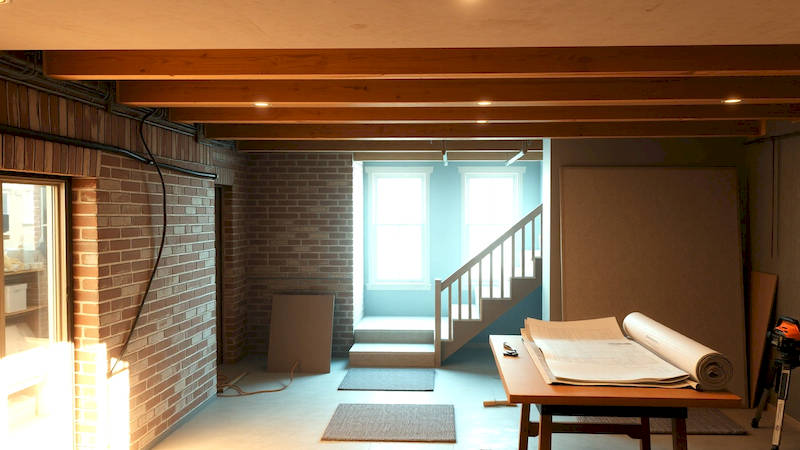
The allure of a finished basement is strong. It’s extra living space, a potential home office, a playroom for the kids, or even a rental unit – all within your existing property footprint. However, before you even dream of paint colors and furniture layouts, there’s a critical step that cannot be overlooked: waterproofing. A basement renovation without proper waterproofing is a recipe for disaster, leading to mold growth, structural damage, and ultimately, significant financial loss. Ignoring this essential aspect can quickly negate the benefits of your renovation, turning your dream space into a damp, unhealthy, and costly headache. Investing in effective waterproofing now will protect your investment and ensure a dry, comfortable, and valuable addition to your home for years to come.
Basement waterproofing isn’t a one-size-fits-all solution. The best approach depends on various factors, including your geographic location, the age of your home, the type of foundation, and the source of the moisture intrusion. Understanding these variables is crucial for selecting the most appropriate techniques. Common sources of basement moisture include hydrostatic pressure (water pushing through foundation walls and floors), surface water runoff, condensation, and plumbing leaks. Successfully renovating a basement requires a proactive, comprehensive strategy that addresses the root causes of these issues and prepares the space to withstand future water challenges.
- Understanding the Sources of Basement Moisture
- Exterior Waterproofing: The First Line of Defense
- Interior Waterproofing: Addressing Existing Moisture
- The Importance of a Sump Pump and Backup Systems
- Ventilation and Humidity Control
- Addressing Plumbing Leaks and Proper Drainage
- Conclusion: Protecting Your Investment
Understanding the Sources of Basement Moisture
Before diving into specific waterproofing methods, it’s critical to diagnose the source of the water. Misdiagnosing the problem can lead to wasted time and money applying treatments that don’t address the core issue. Hydrostatic pressure, arguably the most common culprit, occurs when water accumulates around the foundation and exerts pressure, finding its way through cracks or porous concrete. Surface water runoff, resulting from inadequate grading or clogged gutters, directly impacts the foundation and increases the likelihood of moisture penetration. Condensation forms when warm, humid air meets cool basement surfaces, often exacerbated by poor ventilation.
Identifying the source often requires a thorough inspection. Look for visible signs of water intrusion – staining, efflorescence (a white, powdery mineral deposit), and standing water. Check the exterior of your foundation for cracks, settling, and improper grading. Examine gutters and downspouts to ensure they’re functioning correctly and directing water away from the foundation. A simple test involves taping a plastic sheet to the basement floor and walls; condensation forming under the plastic indicates moisture is coming from within the concrete, suggesting hydrostatic pressure. A professional basement waterproofing contractor can perform more sophisticated tests, such as a water table test, to accurately assess the situation.
Exterior Waterproofing: The First Line of Defense
Exterior waterproofing focuses on preventing water from ever reaching the foundation in the first place. This often involves excavating around the foundation to expose the exterior walls. Once exposed, the wall is cleaned and a waterproof membrane, typically a rubberized asphalt coating, is applied. This membrane acts as a barrier, preventing water from seeping through the concrete. Simultaneously, a drainage board is installed over the membrane to protect it and facilitate water flow. This board creates a channel for water to travel down the foundation wall to a French drain system.
A well-installed French drain, consisting of a perforated pipe surrounded by gravel and fabric, collects water at the footing and directs it away from the foundation to a designated discharge point, like a storm drain or a sump pump. This system significantly reduces hydrostatic pressure. While exterior waterproofing is the most effective long-term solution, it’s also the most invasive and costly, requiring significant excavation. However, the longevity and peace of mind it provides often outweigh the initial investment, particularly in areas with high water tables or frequent rainfall. As expert contractor Peter Simpson of Simpson Waterproofing says, "Investing in exterior waterproofing is like giving your basement a raincoat – it protects it from the elements before they even have a chance to cause damage."
Interior Waterproofing: Addressing Existing Moisture
When exterior waterproofing isn’t feasible due to cost, accessibility or landscape features, interior waterproofing offers a practical alternative. Interior methods focus on managing water after it has entered the basement. One common approach is applying a waterproof coating directly to the interior foundation walls. These coatings, typically cementitious or epoxy-based, create a barrier that prevents water from migrating through the concrete. However, it's crucial to understand that these coatings don't stop water pressure, they merely redirect it, which can necessitate a secondary mitigation strategy.
Another effective interior solution is installing an interior drainage system. This involves creating a channel around the perimeter of the basement floor to collect water and direct it to a sump pump. The sump pump then pumps the water outside, away from the foundation. This system requires breaking up the concrete floor, so it’s often done during a renovation. Consider also applying a vapor barrier to the walls even with interior drainage. A vapor barrier prevents moisture from evaporating into the basement air, which can contribute to mold growth and humidity problems. Beware of simplistic solutions; using solely waterproof paint rarely solves core moisture problems and can even trap moisture within the concrete.
The Importance of a Sump Pump and Backup Systems
A sump pump is a critical component of almost any basement waterproofing system, especially when dealing with significant water intrusion. It acts as the last line of defense, automatically removing water that collects in the drainage system. Selecting the right sump pump is vital. Consider the horsepower, flow rate, and head height – the vertical distance the pump needs to lift the water. A higher horsepower pump is necessary for areas with heavy water flow or a high water table.
However, relying solely on a sump pump is risky. Power outages or pump failures can quickly lead to flooding. Therefore, investing in a backup system is crucial. Options include a battery-powered backup sump pump or a water-powered backup pump. A battery-powered pump provides power during grid outages, while a water-powered pump utilizes municipal water pressure to operate. Regular maintenance, including testing the pump and checking the discharge line for obstructions, is essential to ensure the system functions reliably when needed. A study by FEMA found that sump pump failure is a leading cause of basement flooding, emphasizing the need for redundancy.
Ventilation and Humidity Control
Even with effective waterproofing measures, controlling humidity and ensuring proper ventilation are crucial for a healthy basement environment. Basements are naturally cooler and more prone to moisture buildup. Poor ventilation can exacerbate humidity levels, creating a breeding ground for mold and mildew. A dehumidifier is a valuable tool for removing excess moisture from the air; select a model appropriate for the size of your basement.
In addition to a dehumidifier, ensure the basement is well-ventilated. Consider installing exhaust fans in areas prone to moisture, such as laundry rooms or bathrooms. Properly sealing cracks and gaps in the foundation and around windows and doors can also prevent humid air from entering the basement. Implementing a ventilation strategy isn't just about preventing moisture damage; it's about creating a comfortable and healthy living space. According to the EPA, maintaining indoor humidity levels between 30-50% is essential for preventing mold growth.
Addressing Plumbing Leaks and Proper Drainage
Waterproofing efforts shouldn't solely focus on external sources. Internal plumbing leaks are a significant, often overlooked, cause of basement moisture. Regularly inspect pipes, fittings, and water heaters for signs of leaks. Addressing even small leaks promptly can prevent significant water damage. Consider upgrading to high-quality plumbing materials, such as PEX tubing, which is less prone to corrosion and leaks than traditional copper piping.
Proper drainage around the house is vital. Ensure your gutters and downspouts are clean and functioning correctly, directing water away from the foundation. The ground around your home should slope away from the foundation to prevent water from pooling. If you notice standing water near the foundation, consider regrading the landscape or installing a drainage system to redirect the water. Ignoring these seemingly minor issues can contribute to long-term moisture problems.
Conclusion: Protecting Your Investment
Renovating a basement is a significant investment, and protecting that investment with robust waterproofing measures is paramount. This isn’t a cost-cutting area; adequate waterproofing is vital for the longevity and health of your renovated space. While the upfront cost may seem daunting, it pales in comparison to the expenses associated with repairing water damage, remediating mold, and potentially facing structural issues later on. Remember to accurately diagnose the source of moisture, consider both exterior and interior waterproofing options, and invest in a reliable sump pump with a backup system.
Prioritizing proper ventilation, humidity control, and addressing plumbing leaks are crucial finishing touches. By taking a proactive and comprehensive approach to basement waterproofing, you can transform your unfinished basement into a functional, comfortable, and valuable addition to your home, providing peace of mind for years to come. Don't treat waterproofing as an afterthought; build it into your renovation plan from the very beginning – your future self will thank you. Finally, always consult with qualified professionals to assess your specific needs and ensure the waterproofing solution is tailored to your home and environment.
Deja una respuesta