
Transforming an Unused Side Yard into a Private Outdoor Lounge
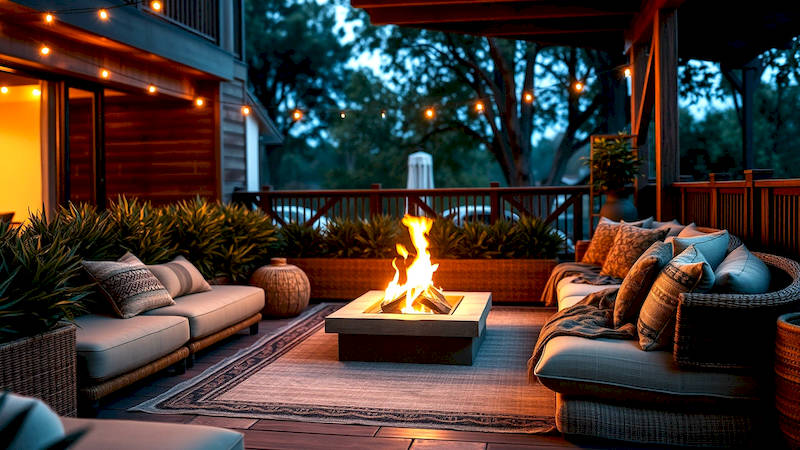
The often-overlooked side yard – that narrow strip of land between your house and the property line – frequently becomes a dumping ground for garden waste, a thoroughfare for accessing the backyard, or simply a neglected space. However, with a little planning and effort, this underutilized area can be transformed into a private outdoor lounge, extending your living space and offering a tranquil retreat. In today’s world, where indoor-outdoor living is increasingly valued, maximizing every square foot of your property is paramount. According to a recent survey by the American Society of Landscape Architects (ASLA), 70% of homeowners prioritize outdoor spaces as essential parts of their homes. This article will delve into the process of reimagining your side yard, providing actionable steps and design inspiration to create a personal oasis.
The appeal of a dedicated outdoor lounge goes beyond aesthetics. It’s about creating functionality – a space for relaxation, intimate gatherings, or simply enjoying the fresh air. In an increasingly busy world, having a readily accessible, peaceful escape right outside your door provides significant mental and emotional benefits. Further, thoughtfully designed side yard lounges can increase property value, offering a significant return on investment. This transformation isn’t just about adding space; it’s about enhancing your lifestyle and creating a sanctuary tailored to your needs and preferences.
This in-depth guide will explore every aspect of converting your unused side yard into a private haven, from initial planning and design considerations to construction, planting, and finishing touches. We'll cover privacy solutions, furniture selection, lighting options, and maintenance tips, ensuring you have the knowledge to create an outdoor lounge you’ll enjoy for years to come. Whether you’re a seasoned DIY enthusiast or planning to hire professionals, this article will serve as your comprehensive resource for turning that neglected side yard into a valuable extension of your home.
Assessing the Space and Defining Your Vision
Before diving into design specifics, a thorough assessment of your side yard is crucial. This involves measuring the available space, noting the sun exposure throughout the day, and identifying any existing features like trees, fences, or utility access points. Understanding the microclimate of your side yard – how wind, sun, and shade affect the area – will dictate plant choices and landscaping strategies. Don't underestimate the importance of considering local building codes and homeowner association regulations. Checking these beforehand can prevent costly setbacks and ensure your project adheres to all necessary guidelines.
Consider how you envision using the space. Will it be a quiet reading nook, an al fresco dining area, a cozy spot for evening cocktails, or a combination of these? Visualizing the intended function will inform your design choices. Sketching out a rough layout, even if it’s just a simple drawing, can help solidify your ideas. Think about how the lounge will connect to the rest of your property. Seamless transitions, whether through pathways, steps, or visual coherence in design elements, will create a more unified and inviting outdoor experience.
One of the biggest challenges with side yards is often limited space. Optimizing the layout is key. Multi-functional furniture, such as storage benches or ottomans, can maximize space efficiency. Vertical gardening, utilizing walls and fences for planting, is another excellent way to add greenery without compromising valuable floor space. Remember, the goal is to create a space that feels both comfortable and functional, despite its potentially constrained dimensions. Don't be afraid to embrace minimalist design principles to achieve a sense of openness.
Privacy – Creating an Intimate Sanctuary
A key element of a successful outdoor lounge is privacy. Unlike backyards, side yards are often more exposed to neighbors and street traffic. Fortunately, numerous options exist to create a sense of seclusion and intimacy. Strategic planting is perhaps the most natural and aesthetically pleasing solution. Evergreen trees and shrubs, such as arborvitae, holly, or bamboo, provide year-round screening. Consider the mature height and width of plants when selecting species to ensure they will provide adequate privacy over time.
Fencing solutions offer more immediate privacy. While a solid privacy fence is the most effective option, it can also feel imposing. Alternatives include lattice fences, which allow for airflow and can be adorned with climbing plants, or picket fences with strategically placed slats for partial screening. Another increasingly popular option is to utilize outdoor curtains or screens. These are relatively inexpensive, easy to install, and allow you to adjust the level of privacy as desired. They also add a touch of elegance and can create a cozy, secluded atmosphere.
Beyond visual barriers, consider incorporating sound management techniques. Water features, such as small fountains, create a soothing ambient noise that can mask traffic sounds. Strategically placed landscaping can also help deflect and absorb noise. According to a study by the University of Missouri, incorporating vegetation into outdoor spaces can reduce noise pollution by up to 5 decibels. Remember that privacy is not just about blocking views but also about creating a sense of peace and tranquility.
Hardscaping and Layout – Defining the Space
Once you’ve addressed privacy, it’s time to focus on the hardscaping – the non-living elements of your design. Patios, pathways, and retaining walls are all examples of hardscaping that define the space and provide functional surfaces. Choosing the right materials is crucial. Pavers, flagstone, and concrete are durable and versatile options for patios. Gravel or mulch can be used for pathways, offering a more natural and cost-effective alternative. Consider the overall aesthetic of your home when selecting materials to ensure a cohesive look.
The layout of your lounge should be carefully planned to maximize the available space and create a comfortable flow. Define distinct zones for seating, dining, or other activities. A well-placed seating area, oriented towards a focal point like a fire pit or water feature, can create a sense of intimacy. Consider incorporating curved pathways and organic shapes to soften the landscape and create a more inviting atmosphere. Adequate lighting is also essential for creating a welcoming ambiance and ensuring safety.
Don’t overlook the importance of drainage. Proper grading and drainage systems are essential to prevent water from pooling in your lounge area. Installing a French drain or incorporating permeable paving materials can help manage water runoff. A well-designed hardscape not only enhances the aesthetic appeal of your side yard but also ensures its functionality and longevity. When considering your layout, always think about accessibility and how people will move through the space.
Furniture and Décor – Creating Comfort and Style
Choosing the right furniture is paramount to creating a comfortable and inviting outdoor lounge. Opt for pieces that are durable, weather-resistant, and comfortable. Wicker, teak, and aluminum are excellent choices for outdoor furniture. Consider using cushions and throw pillows to add comfort and style. When selecting furniture, think about the size and scale of the space. Oversized furniture can overwhelm a small side yard, while smaller pieces may get lost in a larger area.
Décor elements can further enhance the ambiance of your lounge. Outdoor rugs define seating areas and add a touch of warmth. String lights or lanterns create a soft, inviting glow. Incorporate potted plants to bring life and color to the space. Consider adding a fire pit or outdoor heater to extend the usability of your lounge into the cooler months. “The key is creating a space that reflects your personal style,” says interior designer Sarah Montgomery. “Don’t be afraid to experiment with different colors, textures, and accessories.”
Remember to choose materials that can withstand the elements. UV-resistant fabrics and rust-proof hardware are essential for ensuring the longevity of your furniture and décor. Regular cleaning and maintenance will also help to keep your lounge looking its best. Finally, don’t forget the little details – a side table for drinks, a cozy blanket for cooler evenings, or a favorite outdoor sculpture can all contribute to creating a truly inviting and personalized space.
Lighting and Ambiance – Setting the Mood
Lighting plays a critical role in setting the mood and extending the usability of your outdoor lounge into the evening. Layering different types of lighting is key to creating a dynamic and inviting atmosphere. Ambient lighting, such as string lights or lanterns, provides a soft, overall glow. Task lighting, such as spotlights or path lights, illuminates specific areas for functional purposes. Accent lighting, such as uplighting on trees or shrubs, highlights architectural features and adds visual interest.
Consider using low-voltage lighting to save energy and reduce maintenance costs. LED lights are a particularly efficient and long-lasting option. Solar-powered lights are another eco-friendly alternative. Don’t underestimate the power of color temperature. Warm white light creates a cozy and inviting atmosphere, while cool white light provides a more modern and energetic feel. "Lighting should be thought of as an extension of your interior design," explains lighting expert David Thompson. "It can dramatically alter the mood and atmosphere of a space."
Beyond the practical aspects of lighting, consider the aesthetic impact. Stylish lanterns, modern pathway lights, or whimsical string lights can all contribute to the overall design of your lounge. Incorporating dimmers allows you to adjust the lighting levels to create the perfect ambiance for any occasion. A well-lit outdoor lounge feels safe, inviting, and conducive to relaxation and enjoyment.
Conclusion: Your Private Outdoor Escape Awaits
Transforming an unused side yard into a private outdoor lounge is a rewarding project that can significantly enhance your lifestyle and property value. The key lies in careful planning, thoughtful design, and a commitment to creating a space that reflects your personal style and meets your specific needs. From assessing the space and defining your vision to tackling privacy concerns, hardscaping, furniture selection, and lighting, each stage of the process requires attention to detail and a focus on creating a cohesive and inviting atmosphere.
Remember to prioritize privacy through strategic planting or fencing, optimize the layout for functionality, select durable and comfortable furniture, and incorporate lighting to extend the usability of the space. By embracing these principles, you can unlock the hidden potential of your side yard and create a tranquil retreat right outside your door. Don’t be afraid to experiment, personalize, and most importantly, enjoy the process of transforming your outdoor space into a haven for relaxation and enjoyment. Taking the initial steps of sketching a design and researching local regulations are critical first actions. With a little effort, your side yard can become your favorite spot to unwind and connect with nature.
Deja una respuesta