
Best Storage Baskets and Bins for Under-Sink Bathroom Organization
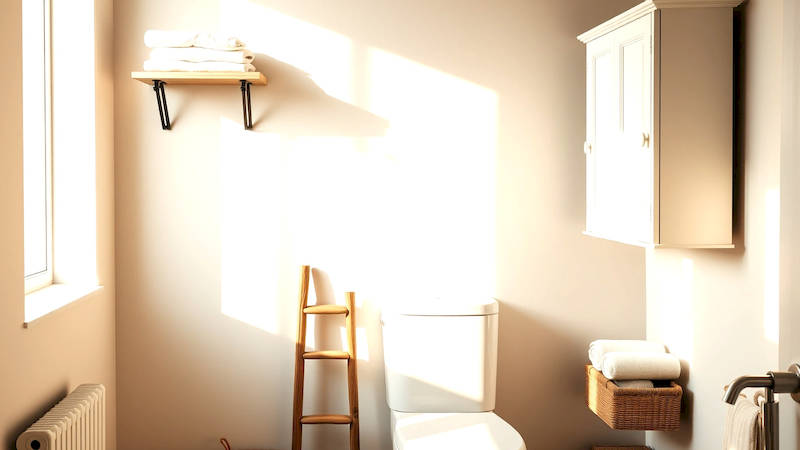
The bathroom, often a sanctuary for personal care, can quickly devolve into a haven of clutter. From overflowing toiletries to a jumble of cleaning supplies, the space under the sink is particularly notorious for becoming a black hole for forgotten items. This isn't just an aesthetic issue; a disorganized bathroom impacts our daily routines, increases stress, and can even be a breeding ground for mildew and bacteria. A well-organized under-sink area, however, can significantly improve bathroom functionality and contribute to a more peaceful home environment. Thankfully, strategic use of storage baskets and bins offers a powerful solution for taming this tricky space.
Successfully organizing under the sink requires a shift in mindset. It’s not simply about stuffing everything in there, but about creating a system that maximizes vertical space, allows for easy access, and categorizes items logically. This article will delve into the world of under-sink organization, exploring the different types of baskets and bins available, providing practical tips for assessing your needs, and offering detailed advice on maximizing space and maintaining order. We will move beyond simply suggesting products to providing a framework for long-term success.
- Assessing Your Under-Sink Space and Needs
- Types of Storage Baskets and Bins: Materials & Functionality
- Maximizing Vertical Space: Stackable Solutions & Shelf Dividers
- Dealing with Pipes and Plumbing: Workaround Strategies
- Labeling and Categorization: The Key to Long-Term Maintenance
- Budget-Friendly Options and DIY Solutions
- Conclusion: Creating a Sustainable System
Assessing Your Under-Sink Space and Needs
Before you even think about purchasing storage solutions, a thorough assessment of your existing under-sink area is crucial. This includes taking inventory of everything currently residing there, and honestly evaluating what’s essential, what’s expired, and what can be relocated elsewhere. Don’t underestimate the amount of space often wasted on rarely-used items that could be stored in linen closets, hallway cupboards, or even other bathrooms. A decluttering session is the vital first step; there’s no point in organizing clutter.
Measuring the available space is equally important. Measure the height, width, and depth, paying particular attention to any pipes or plumbing that might obstruct your storage options. Sketching a rough diagram of the space, including the location of obstacles, will help visualize potential configurations. Consider not only the overall dimensions, but also the accessibility. How easily can you reach the back of the cabinet? This will inform the types of containers you choose – pull-out options are invaluable for deeper spaces. According to a study by the National Association of Professional Organizers (NAPO), homeowners underestimate the amount of unused space in their bathrooms by an average of 20%, highlighting the potential for significant improvement with thoughtful organization.
Finally, consider your typical usage patterns. What items do you access daily? What are used weekly or monthly? This frequency dictates where those items should be stored – frequently-used items need to be easily accessible, while less-used items can be tucked away in the back or on higher shelves. This upfront planning prevents frustration and ensures your organization system is sustainable.
Types of Storage Baskets and Bins: Materials & Functionality
The market is flooded with under-sink storage solutions, varying widely in materials, sizes, and functionalities. Choosing the right ones requires understanding the pros and cons of each type. Plastic bins are a popular choice due to their affordability, durability, and water resistance – crucial in a bathroom environment. Look for bins with lids to contain spills and prevent dust accumulation. However, plastic can sometimes appear cheap and lack aesthetic appeal.
Woven baskets, made from materials like water hyacinth, seagrass, or bamboo, offer a more natural and stylish aesthetic. They're great for storing neatly folded towels or organizing aesthetically pleasing items. Be mindful that natural materials are generally not as water-resistant as plastic and may require more care. Metal wire baskets are another option, providing good ventilation and a modern look. They're particularly useful for storing items that need to dry quickly, but can sometimes be less stable and may rust if exposed to excessive moisture. A comprehensive review conducted by Consumer Reports found that bins with handles and open tops were generally easier to access and use, particularly in tight spaces.
Finally, consider specialty bins designed for specific purposes, such as hair tool organizers or cleaning supply caddies. These can be incredibly effective for containing specific categories of items and maximizing space. Don’t be afraid to mix and match different materials and styles to create a custom organization system that suits your needs and preferences.
Maximizing Vertical Space: Stackable Solutions & Shelf Dividers
Under-sink cabinets often suffer from a lack of vertical utilization. Simply stacking items on top of each other often leads to instability and makes accessing lower items difficult. Stackable storage bins are a game-changer for maximizing vertical space, allowing you to create multiple layers of organized storage. Look for bins with interlocking lids or designs that provide added stability. Clear bins are particularly useful as they allow you to easily see the contents without having to rummage through them.
Shelf dividers are another brilliant, often overlooked, tool. They transform a single shelf into multiple compartments, preventing items from toppling over and keeping everything neatly separated. These are particularly effective for organizing smaller items like skincare products, cotton balls, and makeup. Adjustable shelf dividers offer even greater flexibility, allowing you to customize the compartment sizes to suit your specific needs.
To further enhance vertical space, consider adding a tiered organizer. These units create multiple levels of storage within the cabinet, often utilizing the space above pipes and plumbing. These are especially impactful in bathrooms with significant under-sink obstructions. An excellent example is a sliding organizer that pulls out, creating easy access to items stored in the back.
Dealing with Pipes and Plumbing: Workaround Strategies
The presence of pipes and plumbing is the biggest challenge when organizing under the sink. Simply trying to fit square bins around round pipes is a recipe for frustration. Instead, embrace the asymmetry and work around the obstacles. Utilize U-shaped organizers specifically designed to fit around pipes. These organizers typically feature cutouts that accommodate the plumbing, maximizing storage space while maintaining access.
Flexible containers, such as fabric bins or collapsible silicone containers, are also excellent options as they can be molded to fit around irregular shapes. Consider using smaller bins to fill in the gaps around the pipes, creating additional storage pockets. Don’t be afraid to leave some empty space around the plumbing to allow for easy access for maintenance and repairs. A clogged pipe is far more stressful to deal with when surrounded by piles of stored items. “Accessibility is key,” emphasizes Mary Jo Maxwell, a professional organizer and author of “The Organized Home.” “Leaving a clear path to the plumbing prevents future headaches and costly repairs.”
Labeling and Categorization: The Key to Long-Term Maintenance
Organization isn't a one-time event; it's a continuous process. Even the most meticulously arranged under-sink area will quickly descend into chaos without a system for maintaining order. Labeling is the cornerstone of long-term maintenance. Clearly label each bin or basket with its contents, using permanent markers, label makers, or pre-printed labels.
Categorizing items logically is equally important. Group similar items together – dedicate one bin for cleaning supplies, another for hair care products, and another for first aid items. When returning an item to its place, always take a moment to ensure it's going into the correct bin. This seemingly small habit prevents clutter from accumulating.
Regularly reassess your organization system. Every few months, take a few minutes to re-evaluate what’s working and what isn’t. Are certain bins overflowing? Are certain items rarely used? Adjust your system accordingly. Consider a "one in, one out" rule – for every new item you bring in, remove an existing one.
Budget-Friendly Options and DIY Solutions
Under-sink organization doesn’t require a costly overhaul. Many affordable options are available at discount stores and online retailers. Dollar stores are a treasure trove of inexpensive plastic bins and baskets. Repurposing existing containers is another excellent way to save money. Old shoe boxes, cereal boxes, or even ice cream containers can be transformed into functional storage solutions with a little creativity.
DIY solutions can be particularly effective. Creating your own shelf dividers from cardboard or foam board is a simple and inexpensive project. Wrapping existing bins and baskets in decorative contact paper or fabric can instantly elevate their aesthetic appeal. Numerous online tutorials offer step-by-step instructions for creating custom organization solutions. Resourcefulness can save money and result in a uniquely personalized organization system.
Conclusion: Creating a Sustainable System
Conquering the chaos under the sink requires planning, effort, and a commitment to maintaining order. By thoughtfully assessing your space, selecting the right storage solutions, maximizing vertical space, and implementing a clear labeling and categorization system, you can transform this often-neglected area into a functional and organized haven. Remember that the best organization system is the one that works for you – don’t be afraid to experiment and adapt to your specific needs and preferences.
The key takeaways are: declutter ruthlessly, measure your space meticulously, categorize items logically, and label everything clearly. Invest in stackable bins, utilize shelf dividers, and embrace workaround strategies for pipes and plumbing. Finally, remember that organization is a continuous process, not a one-time fix. Regular maintenance and reassessment will ensure your under-sink area remains a source of calm and efficiency, rather than a source of frustration. Taking these steps won’t just improve your bathroom; it will contribute to a more organized and peaceful home overall.
Deja una respuesta