
Budget-Friendly Hacks for Upgrading Pantry Storage
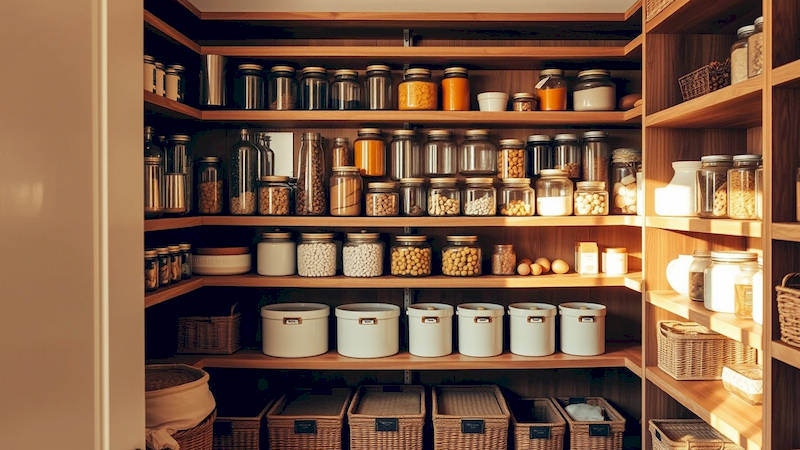
The kitchen pantry: often a chaotic abyss of forgotten snacks, mismatched containers, and expired goods. It’s a space that quickly descends into disarray, despite our best intentions. But a well-organized pantry isn’t just aesthetically pleasing; it’s a cornerstone of efficient cooking, reduces food waste—saving you money—and even minimizes stress. Many believe achieving this requires a complete kitchen remodel or investment in expensive organizational systems, but that simply isn’t true. Clever, budget-friendly hacks can dramatically improve your pantry’s functionality and appearance without breaking the bank. This article will explore effective strategies to maximize your pantry space, enhance accessibility, and streamline your kitchen workflow, all while keeping your budget firmly in check.
The frustration of a disorganized pantry extends beyond simple annoyance. According to a study by the USDA, approximately 30-40% of the food supply is wasted. Poor pantry organization is a significant contributor to this statistic, as items are forgotten, expiration dates are missed, and impulse purchases lead to overstocking. Investing a little time and effort into thoughtful pantry organization can therefore have a tangible impact on your household budget and sustainability efforts. Furthermore, a calm and ordered kitchen environment fosters a more peaceful cooking experience, ultimately enhancing your overall lifestyle.
This guide focuses on practical, affordable solutions. We’ll move beyond expensive shelving units and elaborate systems, and instead, leverage repurposed materials, strategic arrangement, and simple DIY projects to transform your pantry. We’ll cover everything from decluttering and maximizing vertical space to utilizing clever storage containers and creating a system that works for your specific needs. Get ready to reclaim your pantry and unlock the potential for a more organized, efficient, and cost-effective kitchen!
Decluttering & Inventory: The Foundation of Pantry Organization
Before even thinking about containers or shelving, the crucial first step is ruthless decluttering. Be honest with yourself about what you actually use. Expired items, duplicate products, and things you purchased on a whim but will likely never consume need to go. This isn’t just about tidying up; it’s about understanding your consumption habits and preventing future waste. Start by emptying the entire pantry – yes, everything. This allows you to see the space with fresh eyes and truly assess what you have. The process is surprisingly therapeutic; it's like a mini-reset for your kitchen.
Once everything is out, meticulously check expiration dates. Be particularly mindful of pantry staples like spices, flour, and baking powder, as they lose potency over time. For items that are still good but you won’t use, consider donating them to a local food bank or offering them to friends and family. A useful tip is to create a “use-it-up” box for those items – a designated spot where you’ll focus your meal planning efforts until they’re gone. This actively combats the tendency to let these items languish at the back of the pantry.
Following the initial purge, conduct a detailed inventory. Categorize what's left: baking goods, canned goods, snacks, breakfast items, etc. This inventory will be invaluable when you begin reorganizing, as it will inform where to place items for optimal accessibility and efficiency. Keep a running list on your phone or a small notepad, and update it as you use items. Some organizational experts recommend taking a photo of your pantry after each shopping trip to help you quickly see what you have on hand and avoid overbuying.
Maximizing Vertical Space: The Power of Shelving & Risers
Many pantries suffer from underutilized vertical space. We tend to fill the lower shelves with larger items, leaving valuable headroom above. Exploiting this space is essential for maximizing storage capacity, particularly in smaller pantries. Adjustable shelving is an ideal solution, but if a remodel isn't feasible, affordable alternatives exist. Consider adding inexpensive wire shelving units or freestanding shelves to create more levels. These can usually be found for under $30 at most home goods stores.
Beyond shelving, shelf risers are pantry organization heroes. These simple, tiered organizers instantly double the usable space on each shelf. They’re perfect for organizing cans, spices, and smaller jars, allowing you to see everything at a glance. You can find plastic or metal risers at most dollar stores or discount retailers. A creative DIY option involves repurposing cardboard boxes (securely taped, of course). Just ensure they are sturdy enough to hold the weight of your items.
Don't forget about the pantry door! Over-the-door organizers with pockets are fantastic for storing snacks, spices, cleaning supplies, or small kitchen tools. These are especially useful in small kitchens or pantries where floor space is limited. Choosing clear pockets allows you to easily see the contents without having to rummage through everything. Remember to consider the weight capacity of the door before loading it up.
Repurposed Containers: A Budget-Friendly Storage Solution
Investing in matching, airtight containers is often touted as the key to a beautiful pantry – but it can be expensive. Thankfully, you can achieve a similar aesthetic and functionality without the hefty price tag by repurposing what you already have. Glass jars (from pasta sauce, pickles, etc.) are excellent for storing dry goods like rice, pasta, beans, and cereals. Simply wash and thoroughly dry the jars before use. Remove any labels and decorate them with chalkboard paint or handwritten labels for a cohesive look.
Plastic food containers (think yogurt tubs, margarine containers, etc.) can also be repurposed, but ensure they are BPA-free and airtight. They’re great for storing smaller items like nuts, seeds, or granola. While they might not be as visually appealing as glass jars, they are practical and cost-effective. A simple way to improve their appearance is to apply uniform labels. Consider using masking tape and a sharpie for a minimalist aesthetic.
Don't underestimate the power of a good label maker! If you don't have one, printable label templates are readily available online. Clearly labeling your containers is crucial for maintaining organization and preventing confusion. Include the item name and expiration date (if applicable) for extra clarity. A consistent labeling system is key to making your pantry truly functional.
Smart Zoning: Grouping Like with Like
Once you’ve decluttered and have your storage solutions in place, it’s time to think about organization strategy. "Zoning" simply means grouping similar items together. This makes it much easier to find what you need quickly and prevents items from getting lost in the shuffle. Designate specific zones for different categories: a baking zone, a breakfast zone, a snack zone, a dinner/pantry items zone, and so on.
Consider your cooking habits when creating your zones. If you bake frequently, place all your baking supplies in one accessible area. If you pack lunches daily, keep all the lunch-related items together. Customize the zones to fit your needs and preferences. Think about frequently used items – these should be placed at eye level or within easy reach. Less frequently used items can be stored on higher shelves or in the back of the pantry.
To make the zoning process even more effective, create visual cues. Use different colored containers or labels for each zone. This helps you quickly identify which items belong where. You can also use shelf dividers to create distinct boundaries between zones. The aim is to create a pantry that is intuitive and easy to navigate.
Utilizing Baskets & Bins: Contain the Chaos
Baskets and bins are invaluable tools for containing chaos and adding visual appeal to your pantry. They’re particularly useful for corralling smaller items that tend to get lost, such as snack bars, tea bags, or spice packets. Woven baskets add a touch of texture and warmth, while plastic bins are more durable and easy to clean. Focus on finding options that fit your pantry shelves and overall aesthetic.
You don't have to spend a fortune on fancy baskets. Dollar stores and discount retailers often carry affordable options. Repurposing existing baskets or bins from around the house is also a great way to save money. For items that need to be easily visible, choose clear plastic bins. For items that you don’t need to see as often, opaque baskets are a good choice.
Remember to label your baskets and bins clearly. This will prevent confusion and ensure that everything stays in its designated place. Using uniform labeling (the same font, color, and style) will create a more cohesive and organized look. Baskets and bins aren't just about storage; they're about creating a visually appealing and functional pantry that you'll enjoy using.
Conclusion: A Pantry Transformed
Upgrading your pantry storage doesn't require a complete overhaul or a significant investment. By focusing on decluttering, maximizing space, repurposing materials, and implementing smart organizational strategies, you can transform your pantry into a functional and aesthetically pleasing space. Remember, the key is to create a system that works for you – one that reflects your cooking habits, lifestyle, and budget.
The initial effort of decluttering and reorganizing will pay dividends in the long run, saving you time, money, and stress. You’ll reduce food waste, streamline your cooking process, and create a more peaceful kitchen environment. Start with one section of your pantry, and gradually work your way through the entire space. Don’t try to do everything at once – it can be overwhelming. Focus on making small, sustainable changes that you can maintain over time. Remember, a well-organized pantry isn't just about having a tidy kitchen; it's about creating a more efficient and enjoyable cooking experience.
Deja una respuesta