
Budget-Friendly Hacks to Upgrade Your Home Desk Organization
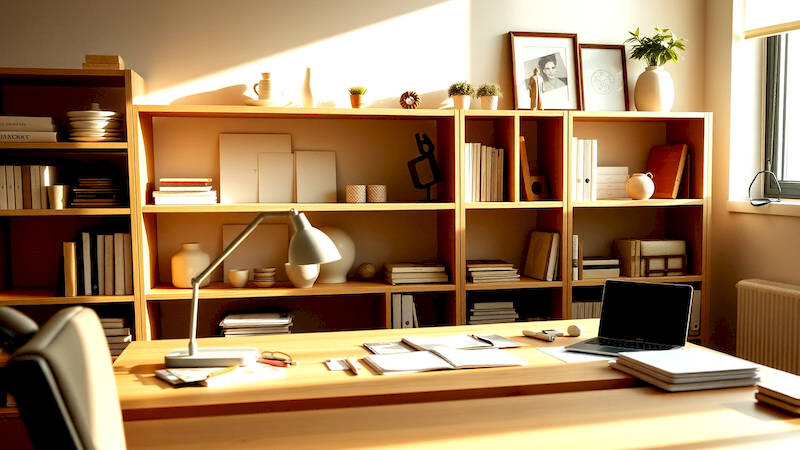
The modern home office, for many, is no longer a temporary solution but a permanent fixture. Whether you’re a remote employee, a freelancer, a student, or simply manage household affairs from a dedicated space, a well-organized desk is paramount. It’s more than just aesthetics; it's about boosting productivity, reducing stress, and fostering a more focused work environment. However, achieving this doesn't necessitate a complete overhaul with expensive organizers and furniture. A cluttered workspace correlates directly to reduced efficiency – studies show that employees spend an average of 4.3 hours per week searching for misplaced items. This lost time, coupled with the mental drain of disorganization, impacts output and overall well-being.
Fortunately, effective desk organization doesn't require breaking the bank. This article delves into a comprehensive collection of budget-friendly hacks, transforming your workspace from chaotic to calm without significant financial investment. We'll explore clever repurposing strategies, utilize readily available materials, and introduce affordable solutions to cultivate a productive and inspiring work environment. We'll move beyond the superficial "tidy up" and focus on establishing systems that maintain organization long-term.
- Repurposing Everyday Items for Maximum Impact
- The Power of Vertical Storage and Wall Organization
- DIY Desk Organizers: Crafting Solutions on a Dime
- Harnessing the Power of Labels and Categorization
- Utilizing Free and Low-Cost Digital Tools
- Maximizing Drawer Space and Utilizing Drawer Dividers
- Final Thoughts: Sustainable Organization & Continuous Improvement
Repurposing Everyday Items for Maximum Impact
One of the most impactful and cost-effective strategies lies in reimagining items you already own. Before rushing out to buy new containers or organizers, take inventory of what you have. Shoe boxes, mason jars, cereal boxes, and even tin cans can be transformed into surprisingly sophisticated storage solutions. The key is to think creatively and tailor the repurposing to your specific needs. For instance, decorative tins can hold pens, pencils, and paperclips, instantly elevating the look of your desk while providing accessible storage – a far cry from their original purpose holding cookies.
Beyond individual items, consider larger-scale repurposing. An old bookshelf, even one with a slightly worn appearance, can be painted, refinished, or simply re-styled to serve as a robust storage unit. Similarly, an unused kitchen cart can be rolled into your office space to provide additional surface area and storage drawers. The goal is to avoid unnecessary purchases and embrace a sustainable approach to organization. This not only saves money but also adds a unique, personalized touch to your workspace. “The most sustainable form of organization is reusing what you already have,” notes Marie Kondo, popular organization expert, “because it reduces waste and connects you to the value of your belongings.”
This strategy also extends to digital decluttering. Repurposing old external hard drives to back up important work files or decluttering your desktop by creating organized folders utilizes existing resources to improve efficiency, even if it's not physically tangible.
The Power of Vertical Storage and Wall Organization
Limited desk space is a common challenge, especially in smaller homes. The solution? Look up. Vertical storage dramatically increases organizational capacity without consuming valuable surface area. Utilize wall space with readily available and affordable options such as corkboards, pegboards, and floating shelves. Corkboards aren’t just for pinning reminders; they can also hold small supplies in decorative pouches or even act as a visual mood board for projects. Pegboards, increasingly popular for their versatility, allow you to customize storage with hooks, baskets, and shelves, adapting to your ever-changing needs.
Floating shelves provide a more permanent solution for displaying books, plants, or decorative items while keeping essential supplies within reach. When selecting shelves, opt for lightweight materials like MDF or composite wood to minimize wall stress and installation complexity. Websites like IKEA and Amazon offer affordable options in various sizes and finishes. Furthermore, consider over-the-door organizers – typically used in closets – to hang supplies or small essential items within easy reach near your desk. This approach optimizes space and keeps frequently used items readily accessible, streamlining your workflow.
Don't underestimate the visual impact of organized walls. A well-curated display not only enhances the aesthetics of your workspace but also minimizes clutter on your desk, contributing to a more focused atmosphere.
DIY Desk Organizers: Crafting Solutions on a Dime
For those who enjoy a hands-on approach, crafting your own desk organizers is a remarkably budget-friendly and rewarding experience. There are countless online tutorials demonstrating how to create functional and aesthetically pleasing organizers from simple materials. For instance, cardboard boxes covered in decorative contact paper can be easily transformed into pen holders, file sorters, or drawer dividers. Similarly, toilet paper rolls or paper towel rolls can be cut to various heights and decorated to create a custom pen and pencil stand.
Another popular DIY project involves repurposing glass jars. These can be painted, decorated with twine, or simply labeled to hold pens, paperclips, rubber bands, or other small supplies. These offer both good visibility and a touch of rustic charm. Beyond simple containers, you can create more elaborate organizers using materials like wood scraps or reclaimed pallet wood. While this may require some basic woodworking skills, the result is a unique and tailored storage solution that perfectly complements your workspace. Numerous free plans are available online, catering to various skill levels and aesthetics.
Remember to prioritize functionality and durability when designing your DIY organizers. Choose materials that can withstand regular use and consider adding protective coatings to prevent damage.
Harnessing the Power of Labels and Categorization
Organization isn’t simply about having a place for everything; it's about knowing where everything is. This is where labels and categorization become invaluable tools. Invest in a simple label maker or a set of pre-printed labels and apply them to drawers, boxes, folders, and containers. Be specific and descriptive with your labels – "Pens (Black Ink)" is far more helpful than simply "Pens."
Categorize your supplies logically based on usage frequency and project type. For example, create separate folders for current projects, completed projects, and reference materials. Within each folder, further categorize documents by date, topic, or client. This system will save you countless hours searching for misplaced items. This also applies to digital files - establishing a clear file naming convention can be extremely beneficial.
Consider color-coding your system. Assign different colors to different categories or projects, making it easier to quickly identify the items you need. This visual cue can significantly improve efficiency and reduce frustration. A well-labeled and categorized system transforms your workspace from a source of chaos to a haven of order.
Utilizing Free and Low-Cost Digital Tools
Desk organization extends beyond the physical realm. In today's digital age, managing digital clutter is just as crucial as organizing physical items. Leverage free and low-cost digital tools to streamline your workflow and enhance productivity. For task management, consider using free options like Trello, Asana, or Google Tasks. These tools allow you to create to-do lists, set deadlines, and collaborate with others.
Cloud storage services like Google Drive, Dropbox, and OneDrive offer ample free storage space for backing up important files and accessing them from anywhere. This eliminates the need for physical file cabinets and reduces the risk of data loss. For note-taking, explore free apps like Evernote or OneNote. These applications allow you to create digital notebooks, organize notes by topic, and sync them across multiple devices. "Digital organization is as important as physical organization" states productivity coach, Francesca Lauricella, "because it directly impacts your focus and ability to complete tasks efficiently."
Don't overlook the power of email management. Utilize filters, labels, and folders to organize your inbox and prioritize important messages. Unsubscribe from unnecessary email lists to reduce clutter and improve focus.
Maximizing Drawer Space and Utilizing Drawer Dividers
Drawers are often black holes of stationery and supplies. Effectively maximizing drawer space is critical for sustained organization. Avoid simply tossing items into drawers; instead, utilize drawer dividers to create designated zones for different categories of supplies. These dividers can be purchased affordably online or at office supply stores, or you can easily create your own using cardboard or foam core board.
Consider the Pareto principle (the 80/20 rule) when organizing your drawers. Focus on organizing the 20% of items you use 80% of the time, keeping them readily accessible. Less frequently used items can be stored in lower drawers or in less accessible locations. Roll up items like cables and chargers to save space and prevent tangling. Utilize small containers or trays to corral small items like paperclips, rubber bands, and pushpins.
Regularly declutter your drawers to remove unused or outdated items. This prevents clutter from accumulating and ensures that your organization system remains effective. A well-organized drawer is a joy to use and significantly contributes to a more efficient workflow.
Final Thoughts: Sustainable Organization & Continuous Improvement
Upgrading your home desk organization doesn’t require a significant financial investment. By embracing resourcefulness, creativity, and a commitment to simplifying, you can create a highly functional and inspiring workspace. Repurposing everyday items, utilizing vertical storage, crafting DIY organizers, and harnessing the power of labels and digital tools are all cost-effective strategies that yield significant results.
Remember that organization is not a one-time event but an ongoing process. Schedule regular decluttering sessions to maintain order and prevent clutter from accumulating. Continuously evaluate your organization system and make adjustments as needed to adapt to your evolving needs. The key takeaway is that a well-organized workspace fosters productivity, reduces stress, and enhances overall well-being. Start small, be consistent, and enjoy the benefits of a clutter-free, focused work environment. The most important tool you have is your commitment to creating a space where you can thrive.
Deja una respuesta