
Building a Drop Zone: Organizing Mail, Electronics, and Essentials Near the Door
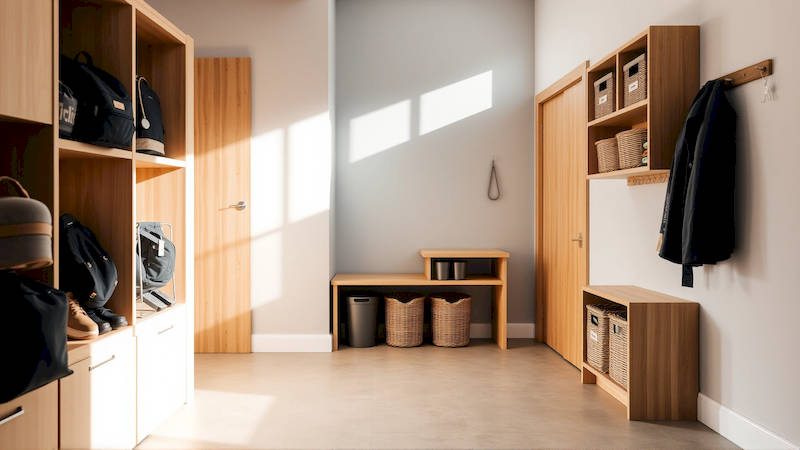
The entryway or mudroom: often the first and last spaces we interact with each day, yet frequently the most cluttered. These transitional zones bear the brunt of daily life’s influx – mail, keys, bags, shoes, charging devices, and a constellation of “just put it here” items. This constant accumulation isn't just an aesthetic problem; research suggests that clutter significantly impacts our stress levels and cognitive function. A study by Princeton University Neuroscience Institute found that clutter competes for our attention, reducing our ability to focus and potentially increasing cortisol levels, the hormone associated with stress. Creating a dedicated “drop zone” isn’t merely about tidiness; it’s about establishing a sense of calm and control from the moment we step inside (or leave) our homes.
This article delves into the art and science of building an effective drop zone, a designated area near the entrance designed to handle the daily deluge of possessions. We’ll move beyond superficial solutions and explore strategies tailored to various lifestyles and space constraints, offering actionable steps to transform a chaotic entry into a functional and welcoming space. From evaluating your specific needs to choosing the right organizational tools and establishing sustainable habits, we’ll cover every aspect of designing a drop zone that actually works for you.
- Defining Your Drop Zone Needs: The Initial Assessment
- The Mail Command Center: Taming the Paper Tiger
- Power Up & Stow Away: Managing Electronics in the Entryway
- The Outwear Oasis: Coats, Hats, and Shoe Storage Solutions
- Beyond the Basics: Personalizing and Maintaining Your Drop Zone
- Rethinking the Space: Creative Solutions for Small Entries
- Establishing Sustainable Habits: Making Organization a Lifestyle
Defining Your Drop Zone Needs: The Initial Assessment
Before rushing out to buy baskets and hooks, the most crucial step is a thorough assessment of what you need to organize. This isn’t just about identifying clutter; it’s about understanding your routines and how you interact with the entryway. Start by tracking, for a week, everything that ends up in the entry or mudroom. What items are consistently left there? Mail? Keys? Backpacks? Charging cables? Dog leashes? This data will reveal patterns and highlight the specific organizational challenges you face.
Once you have a clear picture of the items, consider the members of your household. Do you have children needing to drop off school bags and artwork? A busy partner who needs a dedicated space for work essentials? Pets requiring leash and treat storage? Tailoring the drop zone to the specific needs of each household member will dramatically increase its functionality and adherence. Ignoring individual needs often leads to the drop zone itself becoming disorganized as people revert to old habits.
Finally, realistically evaluate the available space. A grand mudroom offers significantly more possibilities than a small hallway alcove. Don’t try to force a complex system into a cramped space; focus on maximizing vertical space and utilizing multi-functional furniture. Think about exploiting often-overlooked areas such as the back of the door, the space above coat hooks, and even the area under a bench.
The Mail Command Center: Taming the Paper Tiger
Mail, unfortunately, remains a significant contributor to entryway clutter. The key to managing the paper influx isn't just having a designated spot for it, but establishing a system for processing it immediately. A simple “inbox” tray isn’t enough; you need a multi-stage approach. This could include labeled sections for “To Pay,” “To Read,” “To File,” and “Shred.”
Many experts advocate for the “4-D” method: Deal with it Immediately, Delegate it, Defer it (schedule a time to handle it), or Delete it (discard it). Applying this principle to mail means opening it as soon as it enters the house and immediately sorting it into the appropriate category. According to the Paperless Movement, the average American household receives 84 pieces of junk mail per year. Minimize this inflow by opting for paperless billing statements and unsubscribing from unwanted catalogs. Consider a wall-mounted file organizer to keep important documents readily accessible, and keep a shredder nearby for sensitive information. The goal is to prevent mail from accumulating and becoming a source of anxiety.
Power Up & Stow Away: Managing Electronics in the Entryway
The entryway often becomes a charging station, with cables snaking across the floor and devices competing for outlet space. This not only looks messy but also poses a safety hazard. Creating a dedicated electronics organization station is essential. Utilize a charging drawer or a charging cabinet, offering both concealed storage and organized cord management. Look for options with built-in USB ports and surge protection.
Beyond charging, consider a designated spot for frequently used devices like tablets or e-readers. Small wall shelves or a designated basket can keep these items contained. A cable management box is a lifesaver for concealing unsightly cords and preventing tangles. Regularly decluttering unused cables and devices is equally important. A good rule of thumb: if you haven’t used a cable in six months, it’s likely time to discard it. Promote responsible charging habits by encouraging family members to unplug devices once fully charged.
The Outwear Oasis: Coats, Hats, and Shoe Storage Solutions
Coats, hats, and shoes inevitably pile up near the door, creating an obstacle course. Maximize vertical space with a combination of coat hooks, shelves, and a coat rack. Consider different types of hooks for varying outerwear – heavier duty hooks for winter coats and smaller hooks for lighter jackets. For families with young children, lower hooks are essential for accessibility.
Shoe storage is often the most challenging aspect. A shoe rack, whether closed or open, is a basic necessity. For limited space, consider a vertical shoe organizer that mounts on the wall. Baskets or bins can corral shoes neatly, and a doormat inside the door will help trap dirt and debris. Encourage everyone to remove shoes upon entry to maintain cleanliness. In colder months, dedicated boot trays can contain wet and muddy footwear, preventing damage to your floors. Regularly rotate seasonal footwear, storing out-of-season items in closets or storage bins.
Beyond the Basics: Personalizing and Maintaining Your Drop Zone
Once the functional elements are in place, personalize the drop zone to make it a welcoming space. Add a small mirror for last-minute checks, a key rack to prevent frantic searches, and a decorative rug to define the area. A small bulletin board or whiteboard can serve as a family communication hub. A small plant can add a touch of life and freshness.
However, even the most well-designed drop zone will fall into disarray without regular maintenance. Establish a daily “reset” routine – five to ten minutes spent tidying up, sorting mail, and returning items to their designated spots. Encourage all household members to participate. Weekly decluttering sessions can prevent a significant buildup of clutter. Periodically reassess the system to ensure it continues to meet your evolving needs. Don’t be afraid to make adjustments as your lifestyle changes.
Rethinking the Space: Creative Solutions for Small Entries
For those with limited space, creativity is key. Multi-functional furniture is your best friend. A storage bench provides seating and concealed storage for shoes, bags, or seasonal items. Wall-mounted organizers can maximize vertical space without taking up valuable floor area. Utilize the back of the door with an over-the-door organizer for keys, mail, or small accessories.
Consider a "floating" drop zone – a collection of wall-mounted shelves and hooks that create the illusion of space. Mirrors can also make a small entryway feel larger and brighter. Prioritize essential items and minimize unnecessary clutter. A minimalist approach is often the most effective solution in a small space. Remember that even a small, well-organized drop zone is significantly more functional than a large, cluttered one.
Establishing Sustainable Habits: Making Organization a Lifestyle
Ultimately, the success of your drop zone hinges on establishing sustainable habits. This requires a commitment from all household members. Lead by example, consistently demonstrating the importance of organization. Make it easy for everyone to participate by clearly labeling storage containers and providing convenient access to organizational tools.
Regularly reinforce the system and address any challenges proactively. If a particular system isn't working, be willing to experiment and find alternatives. The goal is not to achieve perfect organization overnight but to create a functional system that simplifies your daily life and reduces stress. A well-maintained drop zone isn’t just about a tidy entryway; it’s about creating a more peaceful and functional home.
In conclusion, building a functional drop zone is an investment in your well-being. It’s not about striving for an unattainable level of perfection, but about creating a system that manages the daily influx of belongings, reduces clutter, and promotes a sense of calm and control. By carefully assessing your needs, implementing practical storage solutions, and establishing sustainable habits, you can transform your entryway from a chaotic catch-all into a welcoming and organized sanctuary. Remember to prioritize functionality, personalize the space to reflect your style, and consistently maintain the system to reap the long-term benefits of a well-organized home. The key takeaways are to assess, organize, personalize, and maintain—these four steps will pave the way for a drop zone that truly makes a difference in your daily life.
Deja una respuesta