
Creating a Distraction-Free Zone in Your Home Office
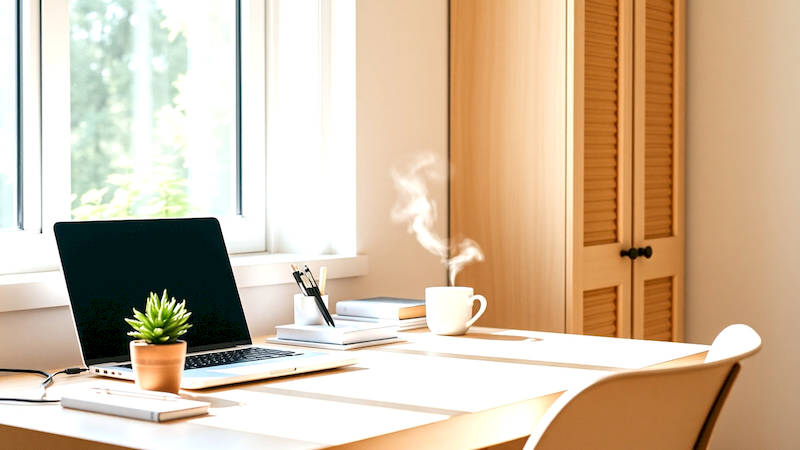
The modern home office is often a multifaceted space, blurring the lines between work and personal life. While the flexibility of remote work is incredibly valuable, it also presents a significant challenge: maintaining focus amidst a constant barrage of potential distractions. From family members and household chores to the siren call of social media and entertainment, the home environment lacks the natural barriers present in a traditional office. This constant pull on our attention doesn't just reduce productivity; it significantly impacts the quality of our work, increases stress levels, and can even contribute to burnout. Creating a dedicated, distraction-free zone isn’t simply about aesthetics – it’s about protecting your cognitive resources, fostering deep work, and ultimately, achieving a healthier and more fulfilling work-life balance.
The rise of remote work has only amplified this need. According to a recent study by Stanford economist Nicholas Bloom, employees working from home are, on average, 13% more productive than their in-office counterparts – but this is heavily reliant on the individual’s ability to create a dedicated workspace and minimize distractions. Without intentional strategies for creating focus, the benefits of remote work can quickly evaporate. This article will delve into practical, actionable steps you can take to transform your home office into a haven of concentration, allowing you to reclaim your attention and unlock your full potential.
- Defining Your "Distraction Profile" & Space Assessment
- Physical Barriers & Sound Management: Creating a Physical Boundary
- Digital Declutter & Technological Boundaries
- The Power of Routine & Time Blocking: Structuring Your Focus
- Ergonomics, Wellbeing, & the Final Touches
- Communicating Boundaries to Household Members
- Conclusion: Reclaiming Your Focus, Reclaiming Your Work
Defining Your "Distraction Profile" & Space Assessment
Before diving into solutions, it's crucial to understand your specific distractions. What consistently pulls your attention away from your work? Is it the noise from the street, the temptation to check your phone, or the constant interruptions from family members? Truly identifying these patterns is the first vital step. Keep a distraction log for a few days, noting when distractions occur, what they are, and how long they last. This data-driven approach will highlight your personal “distraction profile,” allowing you to tailor your solutions for maximum effectiveness.
Beyond identifying what distracts you, also critically assess your physical workspace. Is it located in a high-traffic area? Is it comfortable and ergonomically sound, or does discomfort contribute to your wandering attention? Consider the visual environment – is it cluttered and chaotic, or clean and organized? A cluttered space can translate to a cluttered mind. Regularly decluttering isn't merely about aesthetics; it actively reduces cognitive load and promotes a sense of calm, making it easier to concentrate.
Finally, be honest about the space's limitations. A corner of the living room will always be more prone to interruption than a dedicated spare room. If a dedicated room isn't feasible, explore options like room dividers, noise-cancelling headphones, and clear communication with household members to establish boundaries. The goal isn’t perfection, but mindful adjustment to minimize avoidable disruptions.
Physical Barriers & Sound Management: Creating a Physical Boundary
Once you understand your distraction profile, you can begin constructing physical barriers. This doesn’t necessarily mean a complete renovation, but rather strategic adjustments to delineate your workspace. Leading organizational psychologist, Dr. Joseph Grenny, emphasizes the importance of ‘boundary setting’ in remote work, stating that “physical boundaries reinforce mental boundaries.” A dedicated door is ideal, but if that’s not possible, utilize room dividers, bookshelves, or even strategically placed furniture to create a visual and psychological separation.
Sound is frequently a major culprit in home office distractions. Invest in noise-cancelling headphones. They're not just for blocking out conversations; they can significantly reduce ambient noise like traffic or construction. Explore white noise generators or ambient sound machines offering sounds like rain, ocean waves, or nature sounds. These can effectively mask distracting noises and create a soothing, focus-enhancing atmosphere. Be mindful of your preferences, though – some people find certain sounds more distracting than silence.
Don’t underestimate the power of acoustic panels or rugs to absorb sound. Hard surfaces reflect sound, amplifying noise levels, while softer materials absorb them. Even strategically placed houseplants can subtly contribute to sound dampening. Consider a door sweep to block sound travelling under the door if privacy is crucial.
Digital Declutter & Technological Boundaries
Distractions aren’t limited to the physical realm. Your digital environment is often an even greater source of interruptions. The constant notifications from email, social media, and messaging apps are designed to hijack your attention. Implement a strict notification management strategy. Turn off non-essential notifications entirely. For essential apps, customize notification settings to minimize disruptions – for example, only allow notifications from specific people or groups via messaging apps during designated hours.
Employ website blockers and app timers. Tools like Freedom, Cold Turkey, or StayFocusd (a Chrome extension) allow you to block distracting websites and applications for specified periods. These tools can be invaluable for preventing impulsive visits to social media or news sites. Furthermore, utilizing browser extensions specifically designed for task management and focus, like Forest (which "plants" a virtual tree that dies if you leave the app), can gamify the process of staying on track.
Finally, create dedicated work profiles on your devices. This separates your work apps and data from your personal ones, reducing the temptation to switch between work and leisure activities. Utilize "Do Not Disturb" mode liberally, and schedule specific times for checking emails and engaging with social media, rather than allowing them to interrupt your workflow throughout the day.
The Power of Routine & Time Blocking: Structuring Your Focus
Even with a physically and digitally optimized workspace, sustaining focus requires structure. Establish a consistent daily routine. This doesn't mean rigidity, but rather a predictable rhythm that signals to your brain it’s time to work. This could include a specific wake-up time, a designated start and end time for work, and regular breaks. Our brains function best with predictability.
Time blocking is a powerful technique for protecting your focused time. Schedule specific blocks of time for specific tasks, treating these appointments with yourself just as seriously as you would a meeting with a client. For example, block out 9:00 AM – 11:00 AM for “Deep Work: Report Writing.” During that time, eliminate all distractions and focus solely on the assigned task. Author Cal Newport, in his book Deep Work, argues that the ability to focus deeply is becoming increasingly rare and valuable in the modern economy.
Experiment with different time blocking strategies. The Pomodoro Technique (working in focused 25-minute intervals followed by short breaks) is a popular choice, while others prefer longer, uninterrupted blocks of time. The key is to find a rhythm that works for you and consistently adhere to it.
Ergonomics, Wellbeing, & the Final Touches
Creating a distraction-free zone involves not just minimizing interruptions, but also fostering a supportive and comfortable work environment. Invest in an ergonomic chair, monitor, and keyboard to prevent physical discomfort and promote good posture. Discomfort is a major distraction. Proper ergonomics directly contribute to sustained focus by reducing physical strain. Ensure adequate lighting – a combination of natural light and a well-placed desk lamp is ideal.
Prioritize your wellbeing. Take regular breaks to stretch, walk around, and disconnect from work. Staring at a screen for hours on end can lead to eye strain, headaches, and mental fatigue. Incorporate mindfulness exercises or brief meditation sessions into your routine to reduce stress and improve focus. A plant on your desk isn’t just for aesthetics; research shows that the presence of nature can improve mood and cognitive performance.
Finally, personalize your space with elements that inspire and motivate you. A favorite piece of art, a inspirational quote, or a photograph of loved ones can create a positive and uplifting atmosphere, enhancing your overall wellbeing and productivity.
Communicating Boundaries to Household Members
A critical – often underestimated – component of creating a distraction-free zone is establishing clear boundaries with your household. This requires open and honest communication. Explain to your family members the importance of uninterrupted time for work. This isn’t about being inflexible, but about setting realistic expectations and fostering mutual respect.
Develop a visual cue to signal when you need uninterrupted time. A closed door, a specific sign, or wearing headphones can all serve as signals. Establish agreed-upon “do not disturb” hours and scenarios. Be prepared to calmly but firmly reinforce these boundaries when necessary.
It’s also important to be flexible and understanding. Life happens, and emergencies will inevitably arise. However, consistent boundary setting reinforces the importance of your work and creates a more sustainable work-life balance for everyone involved.
Conclusion: Reclaiming Your Focus, Reclaiming Your Work
Creating a truly distraction-free zone in your home office isn’t a one-time fix, but an ongoing process of experimentation, adjustment, and refinement. It requires a deep understanding of your personal distractions, a proactive approach to minimizing interruptions, and a commitment to prioritizing your focus and wellbeing. The key takeaways are clear: define your distraction profile, build physical and digital barriers, structure your time effectively, prioritize ergonomics and self-care, and communicate boundaries clearly.
The investment in creating this sanctuary for focus isn’t merely about productivity gains – although those are significant. It’s about protecting your cognitive resources, reducing stress, and fostering a healthier, more sustainable approach to work and life. Start small, implement one or two changes this week, and gradually build upon them. Reclaiming your focus is reclaiming control of your work, your time, and ultimately, your life.
Deja una respuesta