
Creating a Tool Zone: Efficient Organization for Hand Tools and Power Tools
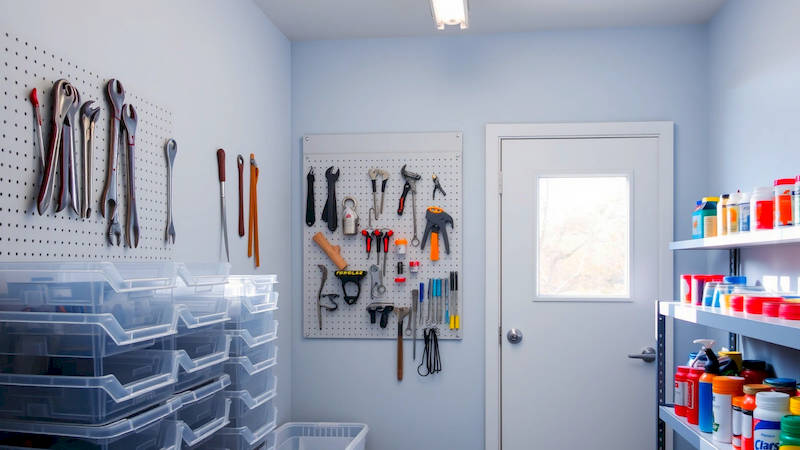
The garage and utility room often become the dumping grounds for everything from seasonal decorations to forgotten projects. But for homeowners, DIY enthusiasts, and professionals alike, these spaces can and should be highly functional work areas. At the heart of any useful workshop lies a well-organized tool collection. A disorganized tool setup isn't just frustrating; it’s a safety hazard, wastes valuable time, and can even lead to tools being damaged or lost. This article will guide you through the process of creating a dedicated “Tool Zone” – a system that maximizes space, protects your investment, and boosts your productivity.
Getting tools organized isn’t about aesthetics (though a tidy shop is satisfying!). It’s about respecting the value of your tools and optimizing your workflow. According to a survey by the Home Innovation Research Labs, over 65% of homeowners identify garage organization as a top priority, with tool storage being a major component. Investing the time and effort into a well-planned organization system pays dividends in efficiency, safety, and the longevity of your tools. This is particularly crucial given the rising cost of quality tools – an investment worth protecting and easily accessible when needed.
- Assessing Your Tool Collection & Space
- Wall-Mounted Solutions: Maximizing Vertical Space
- Dedicated Cabinets & Drawers: Protection & Security
- Power Tool Parking: Specialized Storage Solutions
- Handling Cord Clutter & Small Parts
- Adapting and Maintaining Your Tool Zone
- Conclusion: A Tool Zone for a Productive Workspace
Assessing Your Tool Collection & Space
Before you start buying storage solutions, a thorough assessment of your existing tools and available space is vital. This isn't just about counting hammers and screwdrivers; it's about categorizing and understanding how you use your tools. Start by taking everything out – absolutely everything – and laying it out where you can see it all. This initial step is often the most overwhelming, but it’s essential for gaining a clear picture. Then, divide your tools into logical categories: hand tools (screwdrivers, wrenches, pliers), power tools (drills, saws, sanders), specialized tools (plumbing, electrical, automotive), and consumables (nails, screws, drill bits).
Once categorized, evaluate the frequency of use. Tools used daily or weekly should be readily accessible, while those used only occasionally can be stored in less convenient locations. Consider the size and shape of your space. Do you have ample wall space? Is the ceiling height sufficient for overhead storage? Is the floor space limited? A detailed sketch of your space with dimensions will be incredibly helpful when planning the layout. Don’t forget to account for workspace around the storage – you’ll need room to actually use the tools once you retrieve them.
Finally, be realistic about your collection. Are there tools you haven’t used in years? Consider selling or donating them. Holding onto unused tools only contributes to clutter and takes up valuable space. Remember, the goal isn’t just to store your tools, it’s to create a functional and efficient workshop.
Wall-Mounted Solutions: Maximizing Vertical Space
Wall-mounted storage is arguably the most effective way to organize tools, especially in smaller garages or utility rooms. It utilizes vertical space that often goes unused, keeping tools visible, accessible, and off the floor. Several options are available, ranging from simple pegboards to more sophisticated modular systems. Pegboards are a classic choice – they are affordable, customizable, and versatile. They can accommodate a wide range of tools with the right hooks and accessories. However, they can sometimes look cluttered if not carefully arranged.
For a cleaner and more organized look, consider French cleats. This system involves attaching angled wooden strips to the wall and corresponding strips to the backs of tool holders and shelves. This allows for easy rearrangement and provides a sturdy and secure storage solution. Modular systems, such as those offered by brands like Gladiator GearTrack or Triton, are another excellent option. These systems typically consist of vertical rails and interchangeable accessories – shelves, cabinets, hooks, and baskets – allowing you to create a customized storage layout. A key aspect of any wall-mounted solution is weight capacity; ensure the system you choose can safely support the weight of your tools. Consider grouping tools by type – all screwdrivers together, all wrenches together – for quick retrieval.
Dedicated Cabinets & Drawers: Protection & Security
While wall-mounted systems are great for frequently used tools, closed storage like cabinets and drawers is essential for protecting valuable power tools and keeping a cleaner aesthetic. Cabinets offer security against dust, moisture, and accidental damage. Drawers are ideal for smaller hand tools, fasteners, and accessories. When selecting cabinets and drawers, consider the material. Steel cabinets are durable and secure, while wooden cabinets offer a more traditional look.
Organizing drawers effectively is crucial. Using drawer dividers is highly recommended. These dividers create individual compartments for each tool, preventing them from shifting around and getting damaged. Foam tool organizers, often cut to custom shapes using CNC machines, provide a professional and highly organized solution – especially effective for sensitive electronic tools. Labeling drawers and cabinets clearly is a simple but often overlooked step that can save a significant amount of time searching for tools. Regularly declutter and reorganize cabinets and drawers to maintain efficiency.
Power Tool Parking: Specialized Storage Solutions
Power tools require specific storage solutions to protect them and keep them in working order. Simply tossing them into a bin is a recipe for damage. Utilizing racks, shelves, or dedicated rolling cabinets designed for power tools is essential. Wall-mounted power tool holders are space-saving and keep tools readily accessible. Rolling cabinets with multiple drawers offer both storage and portability, allowing you to move your tools around the workshop.
Consider the weight of your power tools when selecting storage solutions. Heavier tools should be stored lower to the ground for safety and ease of access. Storing power tools with their accessories (batteries, chargers, blades, bits) together is crucial. Utilize clear plastic bins or organizers to keep accessories neatly contained. Where possible, store power tools in their original cases to provide additional protection. Finally, consider a dedicated charging station for batteries to prevent overcharging and extend battery life.
Handling Cord Clutter & Small Parts
Cord clutter is a common problem in any workshop, creating a tripping hazard and making it difficult to find the tool you need. Invest in cord winders, Velcro straps, or dedicated cord management boxes to keep cords neatly organized. Wall-mounted hose reels can also be used to manage extension cords. For small parts like screws, nails, and bolts, utilizing a multi-drawer parts cabinet is a game-changer. These cabinets typically have numerous small drawers, allowing you to organize and store a wide variety of fasteners.
Labeling each drawer clearly is essential. Alternatively, plastic containers with clear lids can be used to store small parts. Magnetic bowls or trays are useful for holding screws and nails while working. A dedicated “bits and pieces” drawer or container can be used for miscellaneous small parts that don’t fit into standard categories. Properly managing cords and small parts not only improves organization but also enhances safety and efficiency.
Adapting and Maintaining Your Tool Zone
Organization is not a one-time project; it requires ongoing maintenance and adaptation. Regularly evaluate your tool storage system and make adjustments as needed. As your tool collection grows, you may need to add more storage or reconfigure your layout. Periodically declutter and remove unused tools to prevent clutter from accumulating. At least annually, take a dedicated afternoon to re-evaluate your setup, refocus, and reorganize.
Consider your changing needs. If you take on new DIY projects, you may need to add specialized storage for new tools. If your workspace changes, you may need to adapt your storage layout. Don't be afraid to experiment with different storage solutions until you find a system that works best for you. A flexible and adaptable tool zone is essential for long-term organization and efficiency. Remember to involve family members who use the space – keeping everyone on the same page regarding organization will dramatically improve long-term success.
Conclusion: A Tool Zone for a Productive Workspace
Creating an organized "Tool Zone" is more than just tidying up; it's an investment in your time, safety, and the longevity of your tools. By thoroughly assessing your collection and space, embracing vertical storage with wall-mounted solutions, utilizing protective cabinets and drawers, specifically addressing power tool storage, and mastering cord and small parts management, you can transform your garage or utility room into a functional and efficient workshop. Remember that maintenance and adaptation are key to sustained organization.
The core takeaways are: categorize relentlessly, maximize vertical space, protect your investments, and prioritize accessibility. Start with a small section of your workshop and gradually work your way through the entire space. Don't try to do everything at once – it can be overwhelming. Take it one step at a time, and celebrate your progress along the way. A well-organized Tool Zone will not only make your projects more enjoyable but will also empower you to tackle new challenges with confidence and efficiency. Take some time this week to dedicate one hour to your workshop’s organizational changes and build a foundation for lasting improvement.
Deja una respuesta