
DIY Clear Container Labels for a Uniform Pantry Look
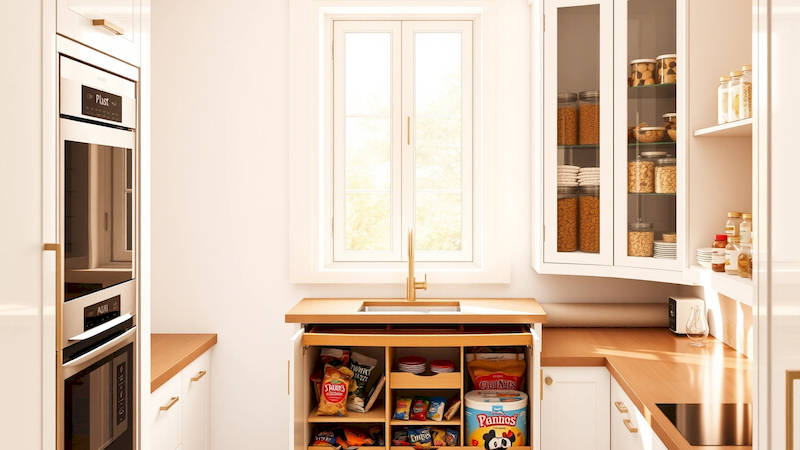
The kitchen pantry: a space often relegated to a chaotic jumble of mismatched containers, forgotten ingredients, and a general sense of overwhelm. In today’s world, where aesthetics and functionality increasingly intertwine, a well-organized pantry isn't just about efficiency; it’s about creating a calm, inviting space that contributes to overall well-being. A key component of achieving this idyllic pantry picture? Uniform labeling. Moving beyond scribbled sticky notes and faded marker, DIY clear container labels offer a cohesive, visually appealing, and incredibly practical solution. This article will guide you through the process of creating professional-looking pantry labels, transforming your storage space from a source of stress to a source of pride.
The desire for organization isn’t merely a modern trend; it's a response to increasingly busy lives. Studies show that a cluttered environment can increase stress levels and decrease productivity. According to a 2019 study by Princeton University Neuroscience Institute, clutter competes for our attention, reducing our ability to focus and ultimately impacting cognitive function. A visually streamlined pantry, achieved through consistent labeling, can mitigate these effects, promoting a sense of control and calm. Moreover, consistent labeling minimizes food waste by ensuring items are visible and used before their expiration dates.
- Why Clear Containers and Consistent Labels Matter
- Choosing Your Labeling Method: A Comprehensive Overview
- Design Considerations: Fonts, Sizes and Placement
- Step-by-Step Guide to Creating Printable Labels
- Waterproofing and Protecting Your Labels: Best Practices
- Beyond Food: Extending Labeling to Other Pantry Items
- Conclusion: The Transformative Power of a Labeled Pantry
Why Clear Containers and Consistent Labels Matter
Clear containers have become a staple in modern pantry organization for good reason. They allow you to instantly see what you have, eliminating the guesswork and reducing the chances of buying duplicates. However, simply transferring your goods to clear containers isn't enough. Without labels, you've just traded a colorful mishmash of packaging for a clear mishmash of contents. This is where the power of consistent labeling comes into play. Uniform labels not only enhance the aesthetic appeal but also create a system that's easy to understand and maintain.
Imagine someone new entering your kitchen, or even yourself after a long day - a clearly labeled pantry allows anyone to locate items quickly and efficiently. This is significantly more intuitive than deciphering partially obscured original packaging or relying on memory. Consistency is paramount – choosing one font, one label size, and one placement method will dramatically elevate the overall look. Think of it as applying the principles of visual merchandising to your own kitchen! A professional-looking pantry can even increase the enjoyment of cooking, making the entire process more streamlined and less frustrating.
Choosing Your Labeling Method: A Comprehensive Overview
Numerous options exist for creating DIY clear container labels, each with its own advantages and disadvantages. The most popular methods include using a label maker, printable labels, vinyl decals, and even chalkboard labels. Label makers, such as those from Brother P-Touch or DYMO, are incredibly convenient for on-the-spot labeling. They offer a variety of fonts, sizes, and tape colors, allowing for customization. However, they can be more expensive upfront, and replacing the tape can add to the ongoing cost.
Printable labels, created using your home printer and label sheets, are a cost-effective option. You have complete control over the design and can create intricate or minimalist labels as desired. This method necessitates a good quality printer and label sheets specifically designed for inkjet or laser printers to ensure water resistance and durability. Vinyl decals, cut using a cutting machine like a Cricut or Silhouette, offer the most professional and durable finish. These are waterproof, leaving no residue when removed, and can be customized endlessly. They require a larger initial investment in the cutting machine and learning curve, but the results are worth it for avid DIYers. Finally, chalkboard labels provide a rustic, reusable option, but require regular cleaning and re-writing.
Design Considerations: Fonts, Sizes and Placement
Once you've chosen your labeling method, it's time to focus on the design. Consistency in fonts, sizes and placement is critical. Opt for a clean, easy-to-read font. Sans-serif fonts like Arial, Helvetica or Open Sans are generally recommended for their legibility. Avoid overly stylistic or cursive fonts, which can be difficult to decipher at a glance. Keep the font size consistent across all labels, typically between 12-16 points depending on the label size and the length of the label.
Label placement should also be standardized. Common approaches include centering the label on the container, aligning the labels with the bottom edge, or creating a uniform border around the label. Consider the shape of the container; tall, narrow containers might benefit from vertically oriented labels, while wider containers might accommodate horizontal labels. Experiment with different layouts on a test container before committing to a specific design. A subtle but impactful design choice is to use a consistent color scheme for different categories of items – for example, blue for baking supplies, green for snacks, and red for spices.
Step-by-Step Guide to Creating Printable Labels
If you’ve opted for printable labels, here’s a detailed walkthrough. First, you’ll need label sheets compatible with your printer. Measure the area on your containers where the labels will be placed and choose a label sheet with appropriately sized labels. Using a word processing or graphic design program (like Microsoft Word, Google Docs or Canva), create your label templates. Include the item name, and potentially an expiration date or “best by” date.
Once the templates are designed, make sure to account for printer margins and test print on plain paper before using the actual label sheets. This will prevent wasted label sheets and ensure proper alignment. When printing on the label sheets, select the appropriate media type in your printer settings to ensure optimal print quality and prevent smudging. Carefully peel and apply the labels to your containers, ensuring they are smooth and wrinkle-free. Finally, consider applying a clear protective coating or laminate over the labels to enhance their durability and water resistance.
Waterproofing and Protecting Your Labels: Best Practices
Even with careful selection of materials, labels can be susceptible to damage from humidity, spills, and general wear and tear. Waterproofing your labels is therefore a crucial step in ensuring their longevity. For label maker tapes, look for options specifically designed for kitchen use, which are typically water-resistant. For printable labels, spraying a clear acrylic sealer or coating over the printed labels is an effective method of waterproofing.
Alternatively, you can use self-adhesive laminate sheets, which provide a durable, waterproof barrier. Vinyl decals are inherently waterproof, making them a particularly good choice for items prone to spills. Regardless of the method you choose, allow the seal or laminate to dry completely before placing the containers back in the pantry. Periodically inspect your labels to identify any signs of wear and tear and replace them as needed. Proactive maintenance will ensure your pantry remains organized and aesthetically pleasing for years to come.
Beyond Food: Extending Labeling to Other Pantry Items
While often focused on food storage, clear container labeling can extend to other pantry items as well. Cleaning supplies, paper towels, dish soap, and even infrequently used kitchen gadgets can benefit from clear, consistent labeling. This not only improves organization but also enhances safety. Clearly labeling cleaning supplies, for example, can prevent accidental misuse or ingestion.
Consider using different color-coded labels for different categories of non-food items to further enhance visual organization. For example, yellow labels for cleaning supplies, orange for paper products, and purple for kitchen tools. This categorization simplifies inventory management and makes it easier to locate items when needed. The goal is to create a labeling system that encompasses everything stored in your pantry, creating a holistic, organized space.
Conclusion: The Transformative Power of a Labeled Pantry
Investing the time and effort into creating DIY clear container labels for your pantry is a truly transformative experience. It's more than just an aesthetic upgrade; it's about creating a functional, stress-free space that promotes healthy habits and efficient cooking. By choosing the right labeling method, focusing on consistent design, and implementing waterproofing techniques, you can create a pantry that is not only visually appealing but also incredibly easy to maintain. Remember, the key takeaways are consistency, clarity, and durability.
Start small, perhaps with one section of your pantry, and gradually expand the system as you become more comfortable. Don't be afraid to experiment with different designs and materials to find what works best for you. The ultimate goal is to create a pantry that reflects your personal style and enhances your daily life. A beautifully labeled pantry is an investment in your well-being, your time, and your peace of mind.
Deja una respuesta