
How to Create a Daily Bathroom Decluttering Routine That Sticks
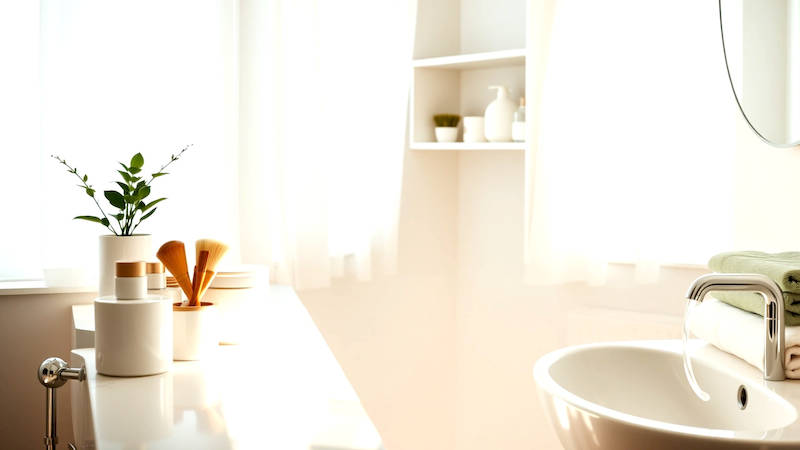
The bathroom. It’s a space meant for relaxation and rejuvenation, yet for many, it’s a daily source of stress. A cluttered bathroom isn’t just aesthetically displeasing; it impacts our mental wellbeing. Studies demonstrate a direct correlation between clutter and increased cortisol levels (the stress hormone), impacting our ability to focus and even increasing feelings of anxiety. Beyond the psychological effects, a disorganized bathroom is inefficient, wastes time, and can even pose hygiene concerns. Developing a daily decluttering routine isn’t about achieving perfection—it’s about reclaiming control of your space and creating a calm, functional sanctuary.
This isn’t about a massive, overwhelming overhaul. The key to lasting change lies in small, consistent habits. Ignoring the growing pile of toiletries, the overflowing drawers, or the lingering hairspray residue only exacerbates the problem. Instead, embracing a daily ritual – even one lasting just five to ten minutes – can prevent clutter from accumulating and maintain a consistently tidy bathroom. This article will explore a step-by-step approach, moving beyond mere cleaning to establish a sustainable decluttering routine that seamlessly integrates into your daily life, fostering a sense of calm and control.
- Understanding the Root of Bathroom Clutter
- The 5-Minute Reset: Establishing Your Daily Routine
- Maximizing Vertical Space and Under-Sink Organization
- The "One In, One Out" Rule and Product Purging
- Tackling Towel and Linen Overload
- Establishing Designated Drop Zones
- Maintaining Momentum: Review and Adapt
Understanding the Root of Bathroom Clutter
Before diving into a cleaning schedule, it’s essential to understand why bathrooms become cluttered in the first place. It’s rarely a lack of cleaning, but rather a combination of factors related to consumption, storage, and habits. Bathrooms, by their very nature, are collection points for numerous small items – toiletries, makeup, medications, hair accessories, and cleaning supplies – many of which are routinely added to but rarely purged. The 'just in case' mentality plays a huge role; we hold onto half-used bottles, expired products, and duplicates "in case" we need them someday, contributing to the ever-growing chaos.
Moreover, bathroom storage is often inefficiently designed or poorly utilized. Shallow drawers fill up quickly with small items, making it difficult to see what you have and leading to unnecessary purchases. Vertical space is frequently ignored, and surfaces become magnets for temporary deposits of items destined for ‘somewhere else.’ Finally, a lack of designated homes for items naturally leads to accumulated clutter, as things are simply dropped wherever there’s available space. Psychologist Dr. Sherrie Bourg Carter, author of Should I Stay or Should I Go?, notes that “clutter is not just a physical problem, it’s a mental one. It represents unfinished tasks, unmade decisions, and overdue obligations.” Addressing the root causes alongside physical decluttering is crucial for long-term success.
The 5-Minute Reset: Establishing Your Daily Routine
The foundation of a sustainable routine is simplicity. Thinking you can spend an hour each day decluttering is unrealistic for most people. The "5-Minute Reset" builds on the principle of micro-habits, making it easier to incorporate decluttering into your daily life. This involves choosing 5 specific tasks you can accomplish in 5 minutes or less, and performing them every day. These tasks should be quick wins designed to tackle the most visible clutter.
Examples include wiping down the bathroom counter, quickly organizing toiletries in the shower, putting away any stray items on the floor, replacing an empty toilet paper roll, and a swift toilet brush swish. Rotating tasks weekly keeps routine fresh. The beauty of this approach is its accessibility. Even on your busiest days, you can manage five minutes. Dr. BJ Fogg, author of Tiny Habits, advocates for similar micro-habits, emphasizing that starting small is far more effective than attempting large-scale changes, promoting habit formation. Consistency is key; skipping days increases the chances of reverting back to old habits.
Maximizing Vertical Space and Under-Sink Organization
Once you've established a daily reset, the next step entails optimizing your bathroom’s storage solutions. Many bathrooms, particularly older ones, lack sufficient built-in storage. Therefore, maximizing vertical space becomes paramount. Install shelves above the toilet, over the door, or along empty wall spaces. Use tiered organizers to create more height within cabinets and under the sink. Clear acrylic organizers are particularly effective, as they allow you to easily see what’s inside.
Under the sink is notoriously challenging. Invest in pull-out drawers or organizers that allow you to access items in the back without having to rummage through piles. Separate items into labeled bins: dedicate a bin for cleaning supplies, another for hair products, and a third for extra toiletries. Consider utilizing the inside of the cabinet doors for hanging small items like hair ties or makeup brushes with over-the-door organizers. A successful under-sink organization transforms a cramped space into a functional storage area. It also prevents products from getting lost and forgotten, reducing waste and unnecessary repurchases.
The "One In, One Out" Rule and Product Purging
Sustaining a clutter-free bathroom isn’t just about managing what you have; it's about controlling what comes in. Implement the “One In, One Out” rule. Every time you purchase a new product – be it shampoo, lotion, or makeup – commit to discarding a similar item. This prevents overstocking and forces you to evaluate your current products. Regular product purging is also essential. Expired products aren’t just ineffective; they can harbor bacteria.
A thorough decluttering session every three to six months should focus on removing expired items, products you no longer use, and duplicates. Be honest with yourself. That expensive cream you bought six months ago and haven’t touched? It's clutter. Travel-sized items accumulate quickly; consolidate them into a dedicated travel kit and discard the rest. Don’t be afraid to donate unopened or gently used products to shelters or charities. Remember, decluttering isn’t about depriving yourself; it’s about freeing up space for the things you genuinely use and enjoy.
Tackling Towel and Linen Overload
Towels and linens can quickly overtake a bathroom, creating a bulky, messy look. One common mistake is keeping far too many. A reasonable number of towels per person is two bath towels, two hand towels, and a washcloth. Consider the size of your linen closet and adjust accordingly. Rotate your towel sets regularly to distribute wear and tear.
Folding towels neatly is important, but rolling them can save space and create a spa-like aesthetic. Utilize shelf dividers to keep stacks from toppling over. Store extra linens in baskets or bins, labeled clearly. Implement a system for discarding worn or damaged towels. Instead of letting them accumulate, repurpose them as cleaning rags or donate them to animal shelters. Regularly assessing your linen supply and donating excess items will prevent towel overload and keep your bathroom looking streamlined.
Establishing Designated Drop Zones
A major contributor to bathroom clutter is the lack of designated drop zones. We often instinctively place items down wherever we happen to be, leading to accumulating piles. Create specific spots for common items. A small basket or tray for jewelry near the sink, a hook for robes and towels, and a designated spot for hair tools – these small changes make a big difference.
Enforce the use of these zones consistently. If you take off your jewelry, immediately place it in the basket. If you finish using your hair dryer, put it back in its designated spot. This conscious effort to put things away immediately prevents clutter from building up. Consider installing a wall-mounted organizer with pockets for storing frequently used items like skincare products or reading material, saving counter space. Encouraging family members to adopt these drop zones strengthens consistency across the entire household.
Maintaining Momentum: Review and Adapt
Creating a daily bathroom decluttering routine is just the first step. Maintaining momentum requires regular review and adaptation. Periodically evaluate your routine to ensure it’s still working effectively. Are the 5-minute tasks still manageable? Do you need to adjust your storage solutions? Are you consistently using the “One In, One Out” rule?
Be flexible and willing to make changes as your needs evolve. Don't strive for perfection; the goal is to create a sustainable routine that helps you maintain a calm, functional bathroom. Celebrate your successes and don’t beat yourself up over occasional setbacks. Remember, a clutter-free bathroom isn’t just about aesthetics; it’s about creating a space that supports your wellbeing, reduces stress, and promotes a sense of calm in your daily life.
In conclusion, establishing a daily bathroom decluttering routine isn’t about monumental tasks, but about cultivating small, consistent habits. By understanding the root causes of clutter, implementing the "5-Minute Reset," maximizing storage, adopting the "One In, One Out" rule, and establishing designated drop zones, you can transform your bathroom from a source of stress into a sanctuary of calm. The key takeaways are consistency, simplification, and a willingness to adapt. Begin today, focus on small wins, and embrace the transformative power of a clutter-free bathroom. Your mental and physical wellbeing will thank you.
Deja una respuesta