
How to Organize Accessories: Belts, Scarves, and Jewelry Storage Ideas
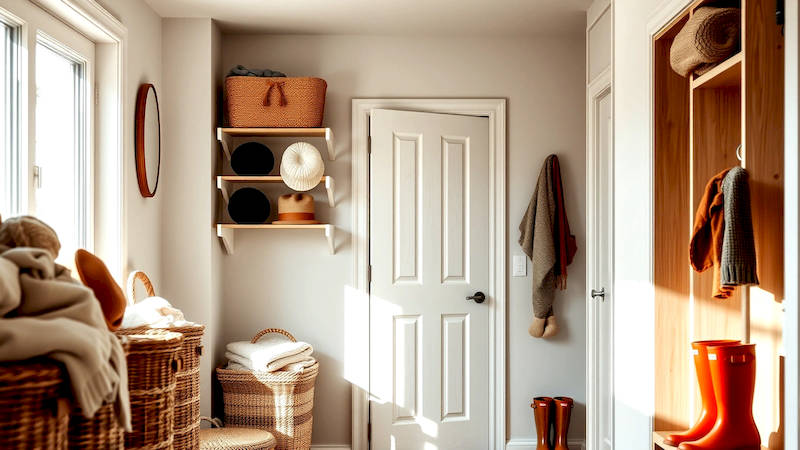
The world of fashion accessories – belts, scarves, and jewelry – adds personality, polish, and that finishing touch to any outfit. However, these small items often fall victim to a chaotic existence: tangled necklaces, lost earrings, belts tumbling from drawers, and scarves crammed into overflowing bins. Beyond the aesthetic frustration, this disorganization leads to wasted time, damaged pieces, and ultimately, underutilized style potential. A well-organized accessory collection isn't just about neatness; it's about maximizing your wardrobe, simplifying your mornings, and preserving the longevity of treasured items. This guide will delve into effective strategies for organizing these essential pieces, offering practical solutions for every space and budget.
Accessories represent a significant investment, both financially and emotionally. Many pieces hold sentimental value, inherited from loved ones or commemorate special occasions. Failing to store them properly can lead to loss, damage (tarnishing, stretching, breakage), and a feeling of disconnect from your personal style. Furthermore, a cluttered accessory situation often indicates a broader disorganization problem within the closet and even extends to daily routines. Taking control of your accessories is, therefore, a crucial step toward a more streamlined and stylish life. This isn’t just about aesthetics; it’s about preserving value, enhancing daily efficiency, and maximizing the joy your accessories bring.
This article will provide an in-depth exploration of effective methods for tackling accessory organization, moving beyond simple decluttering to encompass thoughtful storage solutions tailored to the unique needs of belts, scarves, and jewelry. We will examine everything from space-saving techniques to DIY projects, ensuring a practical and inspiring guide for anyone looking to elevate their closet game.
Deconstructing the Chaos: The Initial Decluttering Phase
Before diving into storage solutions, a thorough declutter is paramount. It’s easy to hold onto items “just in case,” but a realistic assessment of what you actually use is crucial. Ask yourself tough questions: Have I worn this in the last year? Does it fit my current style? Is it damaged beyond repair? This isn't merely about getting rid of unwanted items; it’s a strategic process of curating a collection that truly reflects your lifestyle and aesthetic preferences. Begin by laying everything out – belts, scarves, jewelry – so you can fully grasp the extent of the collection.
Once everything is visible, sort items into four categories: Keep, Donate, Repair, and Discard. Be honest with yourself. A belt that's a size too small isn't going to magically fit you; a necklace with a broken clasp isn't likely to be fixed. For jewelry, consider the metal type; items that constantly tarnish despite cleaning may not be worth keeping. Don't hesitate to donate gently used accessories to charities or consignment shops – giving them a new life while decluttering your own space. Remember, a smaller, well-curated accessory collection is far more valuable than a large, overwhelming one.
Many people underestimate the emotional component of decluttering. Sentimental items can be especially difficult to part with. In these cases, consider taking a photograph of the piece before donating it, preserving the memory without the physical clutter. Alternatively, create a dedicated "memory box" for truly special items you can't bear to part with but don't necessarily wear. This focused approach makes the decluttering process less daunting and more effective in the long run.
Belt Bliss: Organizing for Function and Longevity
Belts, often relegated to a chaotic heap in a drawer, deserve better treatment. Incorrect storage can stretch leather, cause buckling, and generally shorten their lifespan. The key to belt organization is vertical storage – utilizing space efficiently and preventing crushing. Consider installing a belt rack inside your closet door or on a wall. These racks come in various designs, from simple hooks to rotating carousel options, catering to different style preferences and space constraints.
Another effective method is to hang belts from individual hooks inside your closet. This allows for easy visibility and access, minimizing the need to rummage through a pile. For thinner belts, you can also thread them through S-hooks and hang them from a clothes hanger. If closet space is limited, utilize drawer dividers to create dedicated sections for belts, preventing them from becoming tangled and allowing for easy identification. A quick tip for leather belts – lightly condition them before storing to prevent drying and cracking, thus preserving their quality over time.
A particularly clever solution, championed by professional organizers like Marie Kondo, involves rolling belts neatly and storing them upright in drawer dividers. This maximizes space and allows you to see every belt at a glance. Remember to avoid folding belts sharply, as this can create permanent creases. The choice of method ultimately depends on your available space, the number of belts you own, and your personal preferences.
Scarf Sanctuary: Taming the Textile Tide
Scarves, with their varying fabrics and sizes, present a unique organizational challenge. Attempting to fold and stack them often results in a crumpled mess, obscuring their patterns and potentially causing wrinkles. The most visually appealing and space-efficient method is to hang scarves. Invest in a scarf hanger with multiple loops or rings, or repurpose a clothes hanger by attaching ribbon loops. This allows you to showcase your collection like artwork, making it easier to coordinate with outfits.
If hanging isn’t feasible, roll scarves individually and store them in fabric bins or drawer dividers. Silk and delicate scarves should be stored in acid-free tissue paper to prevent damage. Avoid storing scarves in plastic bags, as these can trap moisture, leading to mildew. Another creative solution involves using shower curtain rings to hang scarves from a closet rod – a surprisingly effective and budget-friendly option.
For those with a larger scarf collection, consider dedicating a specific drawer or shelf to scarves only. Arrange them by color, fabric, or pattern for easy access. Regularly rotating your scarf collection, similar to seasonal clothing changes, can prevent overcrowding and ensure you are utilizing all your accessories. Avoid prolonged exposure to direct sunlight, as this can fade colors and weaken fabric fibers.
Jewelry Jewels: From Tangles to Treasures
Jewelry organization is arguably the most challenging aspect of accessory management. Tangled necklaces, missing earrings, and scratched surfaces are common woes. The key here is separation and protection. The classic jewelry box still holds merit, but often lacks the configurable space needed for a larger collection. Invest in a jewelry organizer with multiple compartments, trays, and hooks. Look for organizers with soft linings to prevent scratches.
For necklaces, consider using a necklace organizer specifically designed to hang them individually, preventing tangling. Alternatively, you can use small hooks inside your closet or on a bulletin board. Earrings can be stored in earring cards, clear plastic boxes with dividers, or even an ice cube tray. For rings, a ring cone or a divided jewelry tray works best. Don’t underestimate the power of small clear plastic bags – they’re ideal for storing delicate pieces or sets to prevent loss.
Travel-friendly jewelry organizers are also a valuable investment. These compact cases feature padded compartments and secure closures, protecting your jewelry while on the go. A practical tip: immediately re-hang or re-store jewelry after wearing it, rather than letting it accumulate on your dresser or nightstand. This proactive approach prevents clutter and maintains an organized system.
Maximizing Space: Beyond the Closet – Creative Storage Solutions
Don’t limit yourself to traditional closet space. Under-bed storage containers, over-the-door organizers, and even the back of bathroom doors can be repurposed for accessory storage. Utilize vertical space whenever possible, employing shelves, hanging organizers, and tiered trays. For example, a tiered tray can be used to beautifully display bracelets and watches on a dresser or vanity.
Repurposing everyday items is another cost-effective strategy. Old muffin tins can be used to sort earrings, while vintage teacups can serve as charming ring holders. The possibilities are endless! Remember to label storage containers clearly to easily identify contents and streamline your search process. A well-organized space isn't just aesthetically pleasing; it's significantly more functional and stress-reducing.
Consider the aesthetics of your storage solutions. Opt for clear containers, attractive bins, and coordinated hangers to create a visually harmonious space. Not only will this make your closet more enjoyable to use, but it will also encourage you to maintain the organization system. Ultimately, maximizing space is about thinking outside the box and utilizing every available area creatively.
Conclusion: An Organized Accessory Life
Organizing belts, scarves, and jewelry isn’t a one-time task; it's an ongoing process of curation and maintenance. By decluttering regularly, investing in appropriate storage solutions, and adopting proactive habits, you can transform your accessory collection from a source of frustration into a curated reflection of your personal style. Remember, the goal isn't just to have a neat closet, but to simplify your daily routine, protect your investments, and enhance your overall sense of well-being.
Key takeaways include prioritizing decluttering before storage, utilizing vertical space efficiently, protecting delicate items, and adapting storage solutions to your individual needs and style. Don’t be afraid to experiment with different methods until you find what works best for you. Finally, remember that maintaining an organized accessory collection is a skill that improves with practice. Schedule regular "accessory tune-ups" to prevent clutter from accumulating and ensure your space remains functional and inspiring. Start small, be patient, and enjoy the process of creating a beautifully organized accessory life.
Deja una respuesta