
How to Organize Seasonal Clothing for Year-Round Closet Efficiency
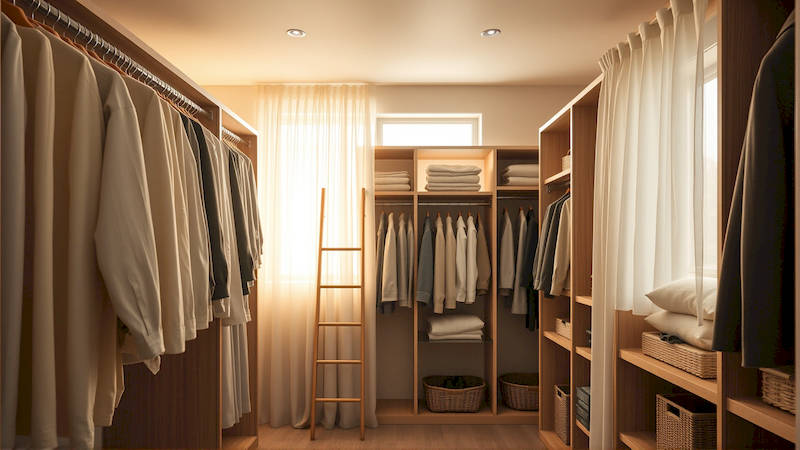
The changing seasons bring not just shifts in weather, but also a need to rotate our wardrobes. Many of us experience the frustrating cycle of overcrowded closets, struggling to find what we need amidst a jumble of out-of-season items. This isn’t just a matter of aesthetics; a disorganized closet leads to wasted time, forgotten favorites, and even clothing damage. Efficient seasonal clothing organization is more than just tidying up; it's a strategic approach to maximizing space, preserving your garments, and simplifying your daily routine. It's about creating a functional system that supports, rather than hinders, your lifestyle.
A well-organized closet built around seasonal transitions enhances the longevity of your clothing, preventing damage from overcrowding and improper storage. Often, garments are creased, stained, or misshapen due to being crammed into spaces they don't fit. Beyond the practical benefits, a streamlined wardrobe can even reduce stress and decision fatigue. Studies show that a cluttered environment contributes to anxiety, whereas a clean and organized space promotes a sense of calm. Furthermore, knowing exactly what you own and readily accessing it encourages thoughtful outfit choices and minimizes impulse purchases.
This guide will provide a comprehensive system for managing your seasonal clothing, covering everything from decluttering and storage techniques to maintaining your organized space throughout the year. We'll move beyond simplistic advice and delve into the detailed steps needed to achieve lasting closet efficiency, transforming your closet from a source of frustration into a haven of style and ease. Our focus will be on creating sustainable habits to ensure your wardrobe remains functional and manageable, regardless of the season.
- Decluttering: The Foundation of Seasonal Organization
- Choosing the Right Storage Solutions for Off-Season Items
- Optimizing Closet Space During Seasonal Transitions
- Maintaining Your Organized Closet Throughout the Year
- Advanced Techniques: Categorizing & Capsule Wardrobes
- Adapting to Small Spaces and Unique Needs
- Conclusion: Mastering Seasonal Clothing Organization
Decluttering: The Foundation of Seasonal Organization
Before you even think about switching out your wardrobes, a thorough decluttering session is absolutely crucial. This isn't about just removing items you haven’t worn recently; it's a critical evaluation of your entire collection. Be ruthless. Ask yourself honest questions about each item: Does it fit properly right now? Have I worn it in the past year? Is it in good condition, or does it require repairs I’m unlikely to make? Does it genuinely make me feel good when I wear it? If the answer is no to any of these, it’s a contender for removal.
Many people struggle with decluttering due to sentimental attachment or the belief that an item “might be useful someday.” However, holding onto clothes you don't use ties up valuable space and prevents you from fully appreciating the pieces you actually love. A helpful technique is to create four piles: Keep, Donate, Sell, and Discard. Be realistic about the "Sell" pile, though - items that don't sell quickly should be reassessed and likely donated. Consider if the energy spent trying to sell is worth the potential return. According to a 2023 survey by Statista, the average American household donates over 66 pounds of clothing per year, showcasing the significant volume of discarded textiles.
Beyond the emotional aspect, consider the environmental impact of clothing waste. The fashion industry is a major contributor to pollution, and extending the life of your clothes through careful selection and maintenance is a positive step. Once you’ve decluttered, take the time to properly dispose of your unwanted items. Donate gently used clothing to charities, sell high-quality pieces online or at consignment shops, and responsibly recycle any damaged items if possible. Avoid simply throwing clothing away whenever possible.
Choosing the Right Storage Solutions for Off-Season Items
Once you've decluttered, determining the best storage method for your off-season clothing is paramount. The optimal choice depends on your available space, budget, and the type of garments you're storing. For items that are susceptible to moths or dust, airtight storage containers are essential. These can be plastic bins, vacuum-sealed bags, or even cedar chests. Vacuum-sealed bags are particularly effective for bulky items like sweaters and coats, significantly reducing their volume. However, be cautious with delicate fabrics, as excessive compression can cause damage.
Consider the location of your storage area. Attics and basements are often prone to temperature fluctuations and humidity, which can damage clothing over time. If you must store items in these areas, ensure they are thoroughly dry and protected from moisture. A climate-controlled storage unit can also be a worthwhile investment, especially for valuable or delicate items. Shelves are great for folded items, but avoid overcrowding them to prevent creasing. Garment racks are ideal for hanging items, but require more space. According to The Container Store's organizational experts, utilizing vertical space is key in smaller closets and storage areas.
Don't overlook the power of labeling! Clearly label all storage containers with the contents and the season they belong to. This will save you valuable time and frustration when it's time to switch out your wardrobes. A simple label maker or even a permanent marker can make a world of difference. Photographing the contents of each bin can also be a handy reminder, especially if the contents aren’t immediately visible.
Optimizing Closet Space During Seasonal Transitions
Implementing a systematic rotation process is vital for maintaining a clutter-free closet. When the seasons change, don't just haphazardly swap clothes. Dedicate a specific day or weekend to the task. Start by removing all of your off-season clothing and storing it using the methods described in the previous section. Then, carefully assess what remains in your closet. Rearrange items based on current weather conditions and your lifestyle. Place frequently worn items in easily accessible locations.
Utilize the space you’ve freed up by optimizing the layout. Consider adjustable closet organizers, shelves, and hanging rods to maximize vertical space. Over-the-door organizers are excellent for shoes, accessories, and small items and create extra storage without taking up floor space. Don't forget the power of color-coding! Arranging your clothes by color can make it easier to find what you're looking for and create a visually appealing closet. A case study conducted by professional organizer Marie Kondo demonstrated that people who arranged their belongings by category and color reported feeling more at peace and less stressed in their homes.
Remember, a well-organized closet isn’t just about visual appeal, it's about functionality. Ensure that all items are easily visible and accessible. If you struggle to reach items on high shelves, invest in a sturdy step stool.
Maintaining Your Organized Closet Throughout the Year
Seasonal organization isn’t a one-time event; it requires consistent maintenance. Adopt the "one in, one out" rule. For every new item you add to your wardrobe, remove an old one. This prevents clutter from accumulating and keeps your closet from becoming overwhelmed. Regularly review your stored off-season clothing. Before storing items, ensure they are clean and dry to prevent mildew and odors. When you retrieve them, assess whether you still want to keep them.
Schedule mini-decluttering sessions every few months to address any items that have become unworn or no longer fit. Pay attention to your buying habits. Before purchasing new clothes, ask yourself if you truly need them and whether they will complement your existing wardrobe. "Mindful consumerism" is crucial to preventing closet overflow. According to a report by the Ellen MacArthur Foundation, the equivalent of one garbage truck of textiles is landfilled or burned every second globally, emphasizing the urgency of conscious clothing consumption.
Cultivating a habit of immediately putting away clothes after wearing or washing them also goes a long way in maintaining order. Don’t let laundry piles accumulate or clothes end up draped over chairs. A consistent routine minimizes clutter and makes it easier to keep your closet organized.
Advanced Techniques: Categorizing & Capsule Wardrobes
For those seeking a more advanced level of organization, consider exploring the concept of a "capsule wardrobe." This involves curating a collection of versatile clothing items that can be mixed and matched to create a variety of outfits. A capsule wardrobe simplifies your morning routine and reduces decision fatigue. Start by identifying your personal style and choosing a color palette. Then, select a core collection of basic pieces, such as neutral-colored tops, bottoms, and outerwear. Supplement these with a few statement pieces to add personality and interest.
Categorizing clothing beyond seasons can further streamline your wardrobe. Instead of simply dividing clothes into "summer" and "winter," consider categories like "work," "casual," "formal," and "activewear." This allows you to quickly find the appropriate outfit for any occasion. Within each category, arrange items by type (e.g., shirts, pants, dresses) and then by color. This level of detail may seem excessive, but it can significantly improve your closet's functionality.
When rotating between seasons, take the opportunity to analyze your outfits from the previous season. What did you wear frequently? What sat untouched? Use this information to make informed decisions about what to keep, donate, or discard in the future.
Adapting to Small Spaces and Unique Needs
Not everyone has a walk-in closet. Many of us live in apartments or smaller homes where space is limited. In these cases, creative storage solutions become even more crucial. Utilize under-bed storage containers for off-season clothing. Over-the-door organizers and wall-mounted shelves are also excellent options. Consider investing in dual-purpose furniture, such as a bed with built-in storage drawers or an ottoman that doubles as a storage box.
If you have a shared closet, clearly define each person’s space and establish rules for maintaining order. Use dividers or separate shelves to create distinct zones. Regular communication is key to preventing conflict and ensuring that the closet remains functional for everyone. Adaptive clothing needs should also be considered, especially for individuals with disabilities or limited mobility. Adjustable closet rods, pull-down shelves, and specialized hangers can make clothing more accessible and easier to manage.
Conclusion: Mastering Seasonal Clothing Organization
Organizing seasonal clothing isn't merely about decluttering and storage; it's about strategically managing your wardrobe to enhance your daily life. By implementing the techniques discussed – thorough decluttering, smart storage choices, a systematic rotation process, consistent maintenance, and the exploration of advanced methods like capsule wardrobes – you can transform your closet from a source of stress into a streamlined, functional space. Remember the core principle: only keep what you love, what fits, and what you actually wear.
The benefits extend beyond simply a tidier closet. A well-organized wardrobe saves time, reduces stress, promotes mindful consumerism, and even extends the life of your clothes. Start small, be consistent, and don't be afraid to experiment to find the system that works best for you. Your closet should be a reflection of your style and a source of joy, not frustration. Take the first step today, and begin your journey towards a more organized and efficient wardrobe.
Deja una respuesta