
How to Organize Seasonal Gear Like Gloves, Hats, and Scarves in Mudroom Zones
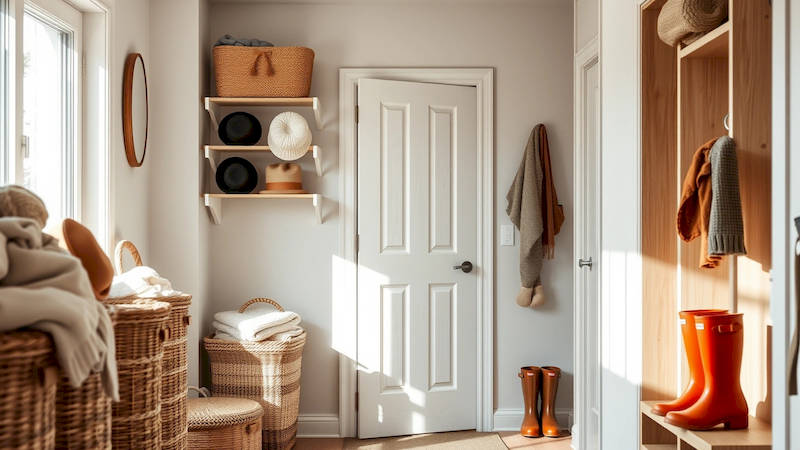
The mudroom, often a high-traffic zone and the first line of defense against the elements, frequently becomes a dumping ground for coats, boots, and, crucially, seasonal gear. Gloves, hats, and scarves – essentials during colder months – can quickly descend into a tangled, frustrating mess. This isn't just an aesthetic problem; disorganization leads to wasted time searching for items, potential damage to delicate materials, and even increased stress levels as you rush out the door. Properly organizing this gear isn’t about achieving picture-perfect tidiness, but about creating a functional system that simplifies your life, protecting your investments, and freeing up precious moments.
Beyond the immediate convenience, efficient mudroom organization contributes to a more calming and welcoming home environment. A clear entryway signals order and control, creating a positive first impression for both you and your guests. Conversely, a chaotic mudroom can contribute to feelings of being overwhelmed, impacting your overall well-being. In a 2022 survey by the National Association of Home Organizers (NAHO), respondents identified entryways and mudrooms as the most challenging spaces to keep organized, with seasonal gear being a significant contributing factor. This article provides a deep dive into strategies for tackling this common household challenge.
This isn't a one-size-fits-all solution, as mudroom sizes and layouts vary drastically. We'll explore a range of techniques, from simple DIY projects to more involved storage solutions, tailored to different spaces and budgets, allowing you to develop a personalized system that truly works for you and your family. We will also address the importance of a regular maintenance schedule to ensure your organization doesn’t fall apart as the seasons change.
- Assessing Your Needs and Space: A Foundation for Organization
- Utilizing Wall Space: Hooks, Shelves, and Hanging Organizers
- Containerizing for Control: Bins, Baskets, and Drawer Dividers
- Rotating Seasonal Gear: A Proactive Approach to Decluttering
- Leveraging Vertical Space: Over-the-Door Organizers and Tiered Racks
- Incorporating Benches with Built-In Storage: A Dual-Purpose Solution
- Maintaining the System: The Key to Long-Term Success
Assessing Your Needs and Space: A Foundation for Organization
Before diving into storage solutions, a thorough assessment of your needs and available space is paramount. Consider the number of family members, the climate you live in (impacting the volume of seasonal gear required), and the frequency with which you use these items. A family of five in a snowy climate will naturally need more robust storage than a single person in a milder region. This assessment will dictate the scale and complexity of your organizational system.
Take stock of everything you currently own. Be ruthlessly honest: are there items that are worn, damaged, or simply no longer used? Donating or discarding unnecessary items immediately declutters the space and reduces the organizational burden. Furthermore, consider the vertical space in your mudroom. Often, walls are underutilized, presenting an opportunity for shelving, hooks, or hanging organizers. Measuring the available space – height, width, and depth – is crucial to ensure any purchased storage solutions will fit comfortably without overcrowding the area.
Finally, think about accessibility. Frequently used items should be readily available, while less-used items can be stored higher up or in less convenient locations. A well-designed system anticipates this usage pattern, making it easier to grab gloves on a cold morning without dismantling the entire stack. It's also important to account for changing needs; children grow, and gear requirements evolve over time, so scalability is key.
Utilizing Wall Space: Hooks, Shelves, and Hanging Organizers
Wall space is your greatest ally in a small mudroom. Traditional coat hooks are a classic solution, but look beyond the standard options. Consider staggered hooks to create more hanging space or decorative hooks that add a touch of personality. Specialized hooks designed for hats and scarves are also available, providing a designated spot for each item and preventing them from being lost in the shuffle.
Shelving offers valuable storage for folded hats, gloves, and even spare scarves. Adjustable shelves provide flexibility to accommodate items of varying heights. Baskets or bins placed on shelves contain smaller items and create a more visually appealing arrangement. Clear plastic bins are incredibly helpful allowing for easy visibility of contents without the need to rummage. Another excellent option is to install narrow shelves specifically for storing rolled-up scarves, maximizing space and presenting them in an organized fashion.
Hanging organizers, often made of canvas or fabric, with multiple pockets, are exceptionally versatile. They can be hung on the back of the door or on a wall, providing dedicated slots for gloves, hats, and scarves, keeping them separate and easily accessible. These are especially useful for smaller mudrooms where floor space is limited.
Containerizing for Control: Bins, Baskets, and Drawer Dividers
While hooks and shelves provide the structure, containers offer the control you need to maintain order. The key is to utilize a consistent container system. Invest in a set of matching bins or baskets in a size suitable for your gear. Labeling these containers is essential; clearly marked bins eliminate ambiguity and encourage everyone in the household to return items to their designated spot.
Consider the material of your containers. Woven baskets add a natural texture and visual appeal, while plastic bins are more durable and easier to clean. Waterproof containers are important if the mudroom is prone to dampness. For smaller items like mittens or thin gloves, drawer dividers can be incredibly effective. They transform a cluttered drawer into a neatly organized space, preventing items from getting lost or tangled.
“Containment is king,” says professional organizer Marie Kondo in her book The Life-Changing Magic of Tidying Up. “By containing items, you prevent them from spreading and creating clutter.” This principle rings particularly true in high-traffic areas like mudrooms, where gear tends to accumulate quickly.
Rotating Seasonal Gear: A Proactive Approach to Decluttering
Instead of keeping all your seasonal gear visible year-round, implement a rotation system. When the weather changes, swap out items appropriate for the current season. Store out-of-season gear in labeled bins in a less accessible location, such as the attic, basement, or a storage closet. This keeps the mudroom focused on the items you need now, minimizing clutter and maximizing space.
This seasonal rotation provides a perfect opportunity to assess the condition of your gear. Discard anything that is damaged or no longer fits. It’s also a good time to donate gently used items to charity. Consider storing out-of-season items in vacuum-sealed bags to compress their volume and protect them from dust and pests. This is especially useful for bulky items like winter coats and snow pants.
A simple calendar reminder can help you stay on track with the seasonal rotation. Scheduling it around the equinoxes (spring and fall) or the first/last frost dates can serve as effective trigger points.
Leveraging Vertical Space: Over-the-Door Organizers and Tiered Racks
Don’t underestimate the power of vertical space, particularly behind doors. Over-the-door organizers, with their multiple pockets and compartments, are a fantastic solution for storing gloves, hats, and scarves. They are inexpensive, easy to install, and require no additional floor space. Choose an organizer with clear pockets for easy visibility or one made of a breathable material to prevent moisture buildup.
Tiered racks, similar to those used for shoes, can also be used to store hats and smaller gloves. These racks maximize vertical space while keeping items organized and accessible. Consider a rotating shoe/hat rack for even greater accessibility. In larger mudrooms, you could even install floor-to-ceiling shelving units, utilizing every inch of available space. Ensure any shelving is securely anchored to the wall to prevent tipping.
Incorporating Benches with Built-In Storage: A Dual-Purpose Solution
If space allows, a bench with built-in storage is a game-changer. It provides a convenient place to sit while putting on or taking off shoes, while also offering hidden storage for seasonal gear. Look for benches with lift-up seats or drawers that can accommodate bins or baskets.
A bench with cubbies underneath provides open storage for boots, bags, or larger items. To maximize the functionality, add labeled bins to the cubbies, keeping everything organized and easily accessible. The bench can also serve as a drop zone for everyday items like keys, mail, and backpacks, further enhancing its utility.
Consider the height of the bench. It should be comfortable to sit on for both adults and children. Adding a cushion or padding can enhance comfort and provide a more inviting space.
Maintaining the System: The Key to Long-Term Success
An organized mudroom isn’t a one-time achievement; it requires ongoing maintenance. Establish a daily or weekly routine for tidying up. Encourage everyone in the household to take responsibility for putting their own gear away. A quick scan each evening or weekend can prevent clutter from accumulating.
Regularly reassess your storage system. As your needs change, you may need to adjust your organization to accommodate new items or different usage patterns. Don't be afraid to experiment with different solutions until you find what works best for you. Remember, the goal is to create a system that simplifies your life, not adds to your stress.
In conclusion, conquering the chaos of seasonal gear in your mudroom is achievable with a combination of thoughtful assessment, strategic storage solutions, and consistent maintenance. By utilizing wall space, containerizing items, rotating seasonal gear, and incorporating dual-purpose furniture, you can transform your mudroom from a dumping ground into a functional and welcoming space. Remember to label everything, involve the entire family, and regularly reassess your system. A well-organized mudroom isn’t just about tidiness; it's about creating a smoother, more organized, and less stressful start to your day. The key takeaway is to find a system that functions for your family and your needs. Don’t hesitate to adapt and refine as life changes to keep the chaos at bay.
Deja una respuesta