
How to Organize Small Toys with Clear, Labeled Containers
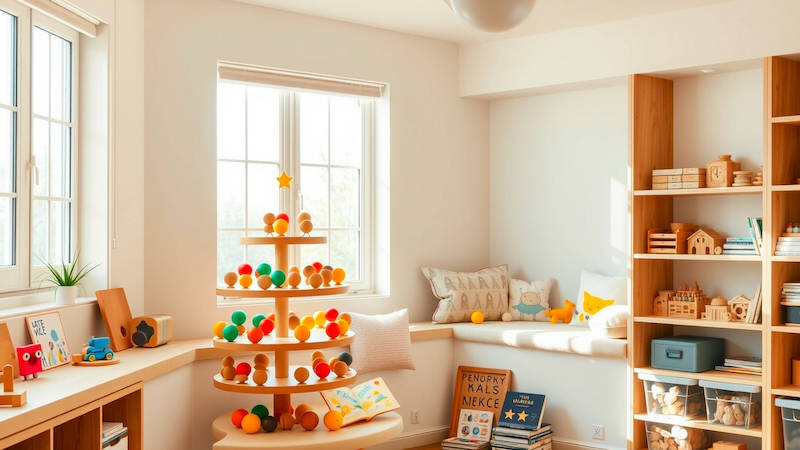
The battlefield of a child’s room—strewn with LEGOs, tiny figurines, and a seemingly endless supply of miniature accessories—is a familiar scene for many parents. This isn’t merely a cosmetic issue; a cluttered environment can significantly impact a child’s focus, creativity, and even emotional well-being. Studies have shown a direct link between physical organization and mental clarity, and for children, a tidy space can foster a sense of calm and control. The challenge, however, isn’t just wanting to organize but knowing how to tame the small toy explosion. It's a task that requires strategy, a realistic assessment of toy volume, and a commitment to a system that is both functional and age-appropriate.
The sheer quantity of small toys can be overwhelming. Unlike larger items that are easily categorized, these miniature pieces multiply quickly and easily blend into a chaotic mess. Many parents get discouraged, attempting brief organizational bursts that inevitably fall apart within days. The key to lasting success isn’t a one-time purge, but establishing a sustainable system. This means embracing clear, labeled containers as the foundation of your organizational effort, coupled with consistent routines and involving your child in the process – teaching them responsibility and good habits along the way.
This article will provide a comprehensive guide to utilizing clear, labeled containers to effectively organize small toys, offering practical strategies, addressing common challenges, and helping you reclaim your child’s playroom—and your sanity. We’ll move beyond simple “put things away” directives and delve into the specifics of container selection, labeling techniques, and maintaining an organized space long-term.
- Choosing the Right Containers: Size, Material & Accessibility
- The Art of Labeling: Beyond Just "LEGOs"
- Categorizing Small Toys: Strategies for Effective Grouping
- Maintaining the System: Routines and Child Involvement
- Adapting to Changing Needs: When to Re-Evaluate
- Addressing Common Challenges: Overwhelm & Resistance
Choosing the Right Containers: Size, Material & Accessibility
Selecting the correct containers is far more nuanced than simply grabbing the cheapest plastic bins. The container itself forms the cornerstone of your organizational strategy, and choosing poorly can lead to frustration and a system that quickly unravels. Consider the size and type of toys you’re dealing with. LEGOs demand different storage solutions than miniature animal figurines, for instance. A good starting point is to categorize your child’s toys before you even begin container shopping – this will give you a clear overview of what you need to accommodate.
Clear containers are essential because visibility is paramount. The “out of sight, out of mind” principle applies powerfully to children. If they can't see what they have, they’re far less likely to utilize it, and more likely to repeatedly ask for new toys. Opt for containers made of durable, BPA-free plastic or acrylic. Stackable bins are an excellent space-saving option, especially in smaller rooms. Avoid containers with lids that are difficult for children to open and close independently; this can hinder their ability to participate in the clean-up process. Think about accessibility: frequently used toys should be stored within easy reach, while less-played-with items can be placed on higher shelves.
Finally, consider the container's style. While functionality is key, choosing containers that aesthetically complement the room’s décor can make the organizational system more appealing and encourage ongoing upkeep. This isn't about creating a Pinterest-perfect playroom, but about making the space inviting and conducive to play and organization. Experts in child development often emphasize the importance of creating a “yes” space—an environment designed to encourage exploration and independent play. Well-organized toys contribute directly to this goal.
The Art of Labeling: Beyond Just "LEGOs"
Labeling containers isn't just about neatness; it’s about teaching your child organizational skills and fostering a sense of responsibility. Simply writing “LEGOs” on a bin, while helpful, doesn’t go far enough. Effective labeling provides cues for both your child and yourself, making it easier to locate and return toys to their designated spots. Explore different labeling methods: printed labels, handwritten tags, or even picture labels for pre-readers.
For young children who can’t yet read, picture labels are invaluable. A simple image of a LEGO brick, a dinosaur, or a car provides a clear visual cue. As your child learns to read, gradually transition to word labels. Use clear, concise language and consider color-coding your labels to further enhance organization. For example, all building toys could have blue labels, while art supplies could have green labels. Don't be afraid to be specific! Instead of “Cars,” consider “Red Cars” or “Monster Trucks.” The more detailed the label, the easier it will be to maintain order.
Moreover, a well-labeled system encourages independent play. When a child can quickly and easily identify where things belong, they’re more likely to clean up independently, reducing the burden on you and fostering their sense of competence. "A crucial component of fostering responsibility in children is providing them with predictable routines and clear expectations," says Dr. Laura Markham, a clinical psychologist specializing in parenting. "Labeling containers is a visual way of communicating those expectations."
Categorizing Small Toys: Strategies for Effective Grouping
Successful organization hinges on a logical categorization system. Randomly throwing toys into bins will defeat the purpose and lead to swift disarray. Start by broadly grouping toys by type. LEGOs, building blocks, action figures, cars, art supplies, and puzzles are all logical starting points. Within these broader categories, further subdivision may be necessary. For example, within "Action Figures," you might create separate containers for superheroes, villains, and Star Wars characters.
Consider your child’s play patterns when creating categories. If your child consistently combines certain toys during playtime, store them together. For instance, if they frequently use building blocks to create structures for their action figures, a combined container might be appropriate. Be flexible and willing to adjust your categories as your child’s interests evolve. What works today might not work six months from now. Periodic reassessment is key.
A useful technique is to limit the breadth of each container. Overfilled bins are difficult to navigate and discourage putting items away. Instead of one giant container of "Small Animals," consider several smaller containers labeled "Farm Animals," "Zoo Animals," and "Sea Creatures." This makes it easier for your child to find specific toys and maintain order. Remember that the goal isn't just to contain the toys, but to make them accessible and encourage play.
Maintaining the System: Routines and Child Involvement
Establishing a system is only half the battle; maintaining it requires consistent routines and active involvement from your child. Schedule regular “toy tidy-up” times, ideally daily, and make it a family affair. Turn it into a game—a race against the clock, or a reward-based system. Consistency is crucial. Even 15-20 minutes of dedicated tidy-up time each day can prevent the chaos from spiraling out of control.
Delegate age-appropriate tasks to your child. Young children can help sort toys into broad categories, while older children can take responsibility for labeling and rearranging containers. The key is to empower them to own the process. Avoid simply re-organizing for them; instead, guide them and provide support. As author Marie Kondo emphasizes in her book, The Life-Changing Magic of Tidying Up, “The ultimate goal is to surround yourself with things you love.” This applies to children’s toys as well. Encourage them to regularly assess their belongings and donate or discard items they no longer use or enjoy.
Consider implementing a "one in, one out" rule. For every new toy that enters the house, an old one must be donated or discarded. This prevents the toy collection from continually expanding and helps maintain a manageable level of clutter. Remember that a sustainable organizational system isn’t about perfection; it’s about creating a manageable and functional space that supports your child’s play and development.
Adapting to Changing Needs: When to Re-Evaluate
Children grow and their interests change. A toy organization system that works perfectly for a four-year-old will likely need adjustments as they become a six-year-old. Regularly re-evaluate your system to ensure it continues to meet your child’s needs. This isn’t a yearly overhaul, but rather ongoing tweaking based on observation.
Pay attention to which containers are consistently overflowing and which are rarely used. This provides valuable insight into your child’s current play patterns. Adjust container sizes or categories accordingly. Be open to changing the labeling system as your child learns new words or develops new interests.
As your child gains more independence, gradually increase their responsibility for maintaining the organizational system. This fosters a sense of ownership and teaches them valuable life skills. Don’t be afraid to ask for their input. After all, it’s their playroom. A collaborative approach is more likely to lead to a lasting solution.
Addressing Common Challenges: Overwhelm & Resistance
Even with the best intentions, you may encounter challenges. Toy overwhelm is a common hurdle, especially in households with multiple children or limited storage space. Don't attempt to tackle everything at once. Break the project down into smaller, more manageable steps. Focus on one area of the room at a time, and celebrate small victories along the way.
Resistance from your child is another potential obstacle. They may be reluctant to part with toys, even if they no longer play with them. Approach this situation with empathy and understanding. Acknowledge their feelings and explain the benefits of decluttering, such as creating more space for play or donating toys to children in need. Frame it as a positive experience rather than a punishment.
Ultimately, remember that a successful toy organization system isn’t about achieving a perfectly tidy playroom; it's about creating a functional and supportive environment that fosters your child’s creativity, independence, and well-being.
In conclusion, organizing small toys with clear, labeled containers isn’t just about aesthetics—it’s a strategic investment in your child’s development and your own peace of mind. By carefully selecting the right containers, implementing a thoughtful labeling system, establishing consistent routines, and adapting to changing needs, you can conquer the chaos and create a playroom that is both functional and inviting. Remember to involve your child in the process, fostering a sense of responsibility and empowering them to maintain order. The key takeaways are visibility through clear containers, detailed and age-appropriate labeling, and consistent maintenance fueled by shared responsibility. Start small, be patient, and celebrate your progress along the way. The rewards—a calmer home, a more focused child, and a little bit of sanity regained—are well worth the effort.
Deja una respuesta